Primary crusher selection plays a crucial role in determining material fragmentation efficiency, which significantly impacts downstream processes and overall operational performance in mining, quarrying, and aggregate production industries. Here’s how primary crusher selection influences material fragmentation and efficiency:
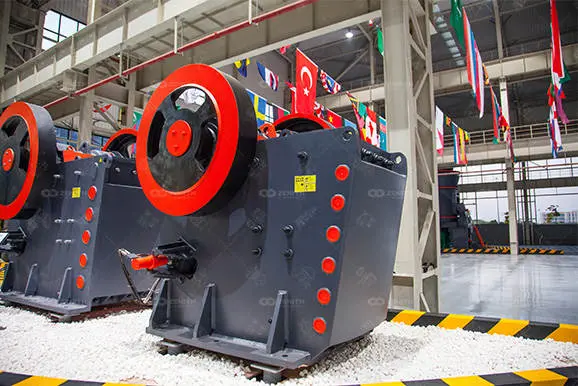
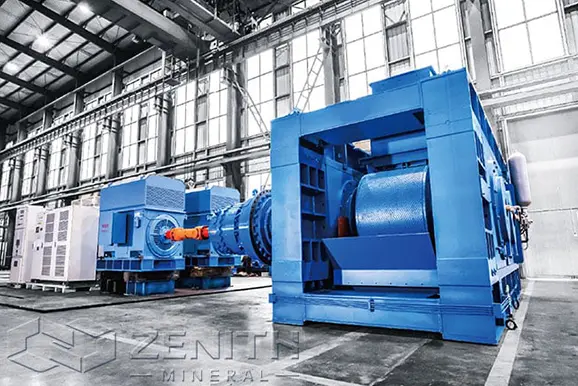
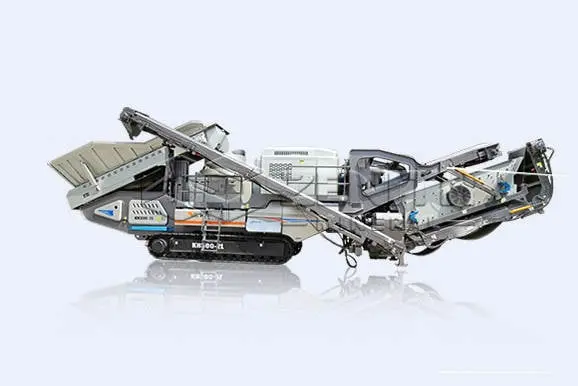
The choice of primary crusher determines the type of crushing mechanism applied to the material:
Material hardness, density, and abrasiveness influence crushing behavior and efficiency. Selecting a crusher that matches the material properties ensures better fragmentation. For example:
Failure to match material characteristics with the crusher type will result in uneven fragmentation, more energy consumption, and increased wear.
The size of the feed material impacts fragmentation efficiency. Each primary crusher has a specified maximum feed size; exceeding this size results in reduced efficiency, uneven fragmentation, and potential damage to the crusher. Proper selection ensures optimal crushing with minimal fines generation and good size distribution.
The crushing ratio (feed size to output size) determines the degree of fragmentation. A higher crushing ratio produces greater size reduction but can also result in excessive fines or uneven distribution if the crusher isn’t suited for the material. Selecting a crusher with an ideal crushing ratio for the application ensures effective fragmentation while reducing operational costs.
Crushers that are mismatched to the material properties or operational requirements may consume excessive energy and increase wear and maintenance costs. Well-selected crushers optimize fragmentation efficiency, leading to lower energy expenses and improved throughput.
Efficient material fragmentation has cascading effects on secondary and tertiary crushing, conveyor systems, and milling operations. The primary crusher sets the tone for downstream processes; poor selection can lead to bottlenecks, reduced process efficiency, and increased costs. Uniform, predictable fragmentation ensures smooth operations throughout the production chain.
A well-selected primary crusher minimizes oversized material that would require additional processing (e.g., secondary breaking or oversized handling), thereby improving overall efficiency and process flow.
Optimizing primary crusher selection is key to achieving efficient material fragmentation. Proper consideration of material characteristics, feed size, and desired output size leads to improved energy efficiency, reduced downtime, and lower operating costs. A careful analysis of site-specific requirements is essential to maximize the efficiency and productivity of the entire crushing and processing operation.
Shanghai Zenith Mineral Co., Ltd. is a leading manufacturer of crushing and grinding equipment in China. With more than 30 years of experience in the mining machinery industry, Zenith has built a strong reputation for delivering high-quality crushers, mills, sand-making machines, and mineral processing equipment to customers around the world.
Headquartered in Shanghai, China, Zenith integrates research, production, sales, and service, providing complete solutions for aggregates, mining, and mineral grinding industries. Its equipment is widely used in metallurgy, construction, chemical engineering, and environmental protection.
Committed to innovation and customer satisfaction, Shanghai Zenith continues to advance in intelligent manufacturing and green production, offering reliable equipment and comprehensive after-sales service to help clients achieve efficient and sustainable operations.
website: https://www.chinagrindingmill.net
E-mail:info@chinagrindingmill.net
Whatsapp:+8613661969651