What Are the Critical Differences Between Primary and Secondary Crushing Stages?
Χρόνος:
22 May 2021
The critical differences between primary and secondary crushing stages pertain primarily to the nature of the material being crushed, the equipment used, and the desired output size. Here’s a breakdown:
-
Purpose of Crushing:
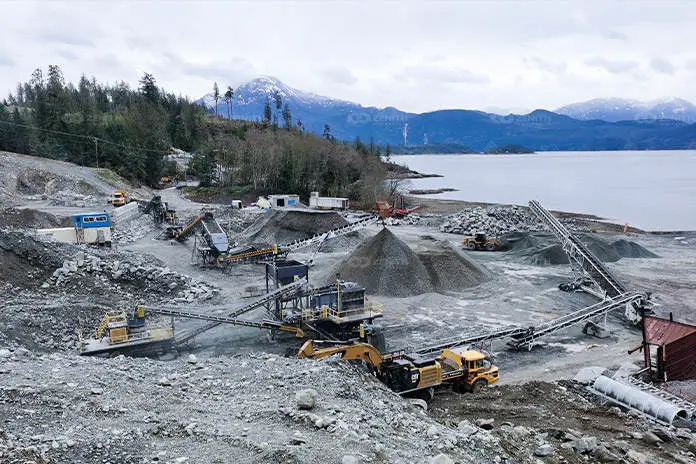
- Πρωτογενής Θραύση: It is the initial phase of crushing, aimed at reducing the size of large chunks of raw material to make them manageable for subsequent processing and transport. It typically handles material directly from the mine or quarry.
- Δευτερεύουσα Θραύση: This stage further reduces the already processed material from the primary crusher to achieve finer particle sizes tailored for specific applications.
-
Material Size:
- Πρωτογενής Θραύση: Handles large feed sizes, typically ranging from several meters down to about 0.5–1 meter in diameter.
- Δευτερεύουσα Θραύση: Processes the output from the primary crusher, with feed sizes generally smaller, ranging from 10–30 cm (depending on the equipment and application).
-
Crushers Used:
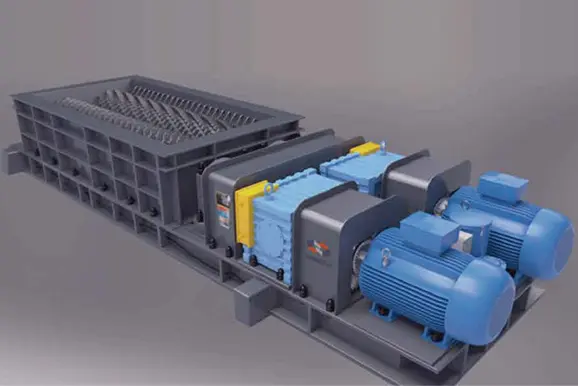
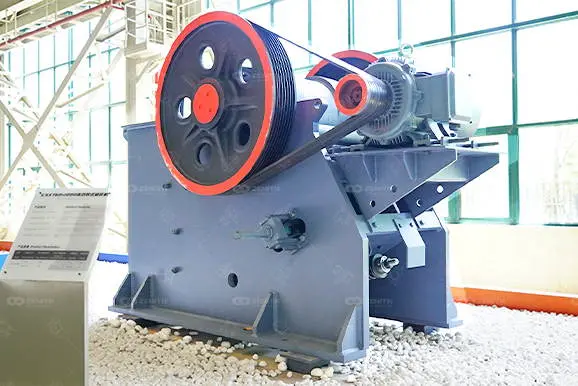
- Πρωτογενής Θραύση: Typically employs heavy-duty crushers such as jaw crushers or gyratory crushers, designed to handle the coarse, hard, and abrasive materials often found in raw ore.
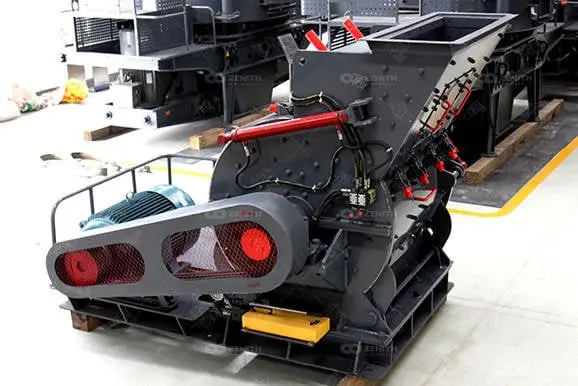
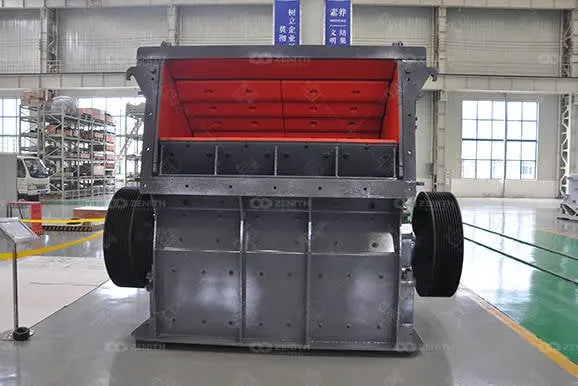
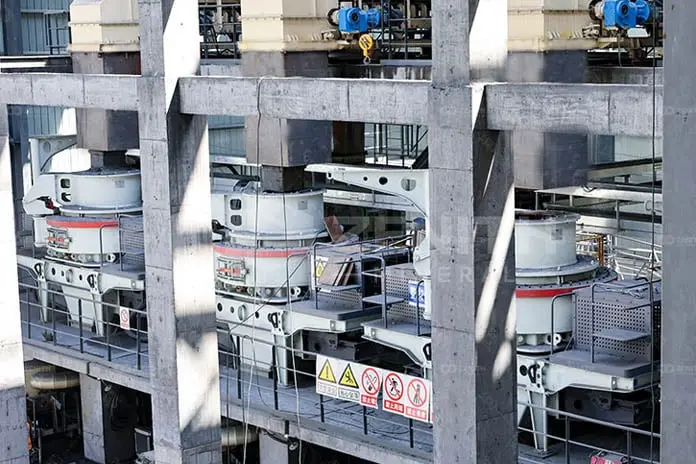
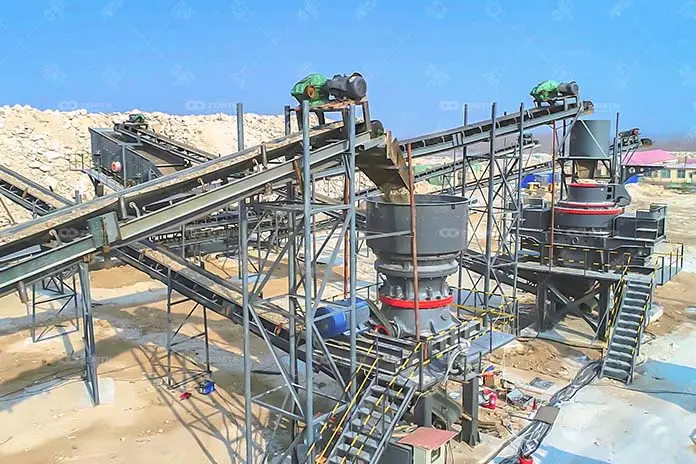
- Δευτερεύουσα Θραύση: Uses crushers designed for finer material reduction, commonly cone crushers, impact crushers, and sometimes, hammer mills.
-
Output Size:
- Πρωτογενής Θραύση: Produces larger, coarse output material, which may range from 15–20 cm in diameter.
- Δευτερεύουσα Θραύση: Delivers finer particles, typically 2–5 cm, suitable for screening or tertiary crushing.
-
Κατανάλωση Ενέργειας:
- Πρωτογενής Θραύση: Requires more energy to break larger, tougher rocks.
- Δευτερεύουσα Θραύση: Generally consumes less energy per ton since the material is already partially reduced in size.
-
Wear and Tear:
- Πρωτογενής Θραύση: Crushers used in this stage experience higher wear and tear due to handling unprocessed, abrasive material directly from the mine.
- Δευτερεύουσα Θραύση: Faces comparatively less wear due to finer, more uniform feed material.
-
Εφαρμογές:
- Πρωτογενής Θραύση: An essential step for mining, quarrying, and material transport, preparing raw feed for further processing stages.
- Δευτερεύουσα Θραύση: Often tailored for producing aggregates, gravel, or preparing material for screening, sorting, and tertiary crushing.
-
Capacity and Throughput:
- Πρωτογενής Θραύση: Designed for high throughput and handling large volumes of material.
- Δευτερεύουσα Θραύση: Typically operates at a slightly reduced capacity compared to primary crushers but provides greater control over the final product size.
In summary, primary crushing is focused on initial size reduction using robust, high-capacity crushers to process raw, large materials, whereas secondary crushing further refines material size using specialized equipment for specific applications and product requirements.
Contact Us
Shanghai Zenith Mineral Co., Ltd. is a leading manufacturer of crushing and grinding equipment in China. With more than 30 years of experience in the mining machinery industry, Zenith has built a strong reputation for delivering high-quality crushers, mills, sand-making machines, and mineral processing equipment to customers around the world.
Headquartered in Shanghai, China, Zenith integrates research, production, sales, and service, providing complete solutions for aggregates, mining, and mineral grinding industries. Its equipment is widely used in metallurgy, construction, chemical engineering, and environmental protection.
Committed to innovation and customer satisfaction, Shanghai Zenith continues to advance in intelligent manufacturing and green production, offering reliable equipment and comprehensive after-sales service to help clients achieve efficient and sustainable operations.
website: https://www.chinagrindingmill.net
Email:
Ηλεκτρονικό μήνυμαinfo@chinagrindingmill.net
WhatsApp+8613661969651