What Factors Determine Crusher Machine Selection and Throughput Capacity?
Χρόνος:
18 January 2021

Selecting a crusher machine and determining its throughput capacity involves analyzing several key factors and variables to ensure optimal performance and efficiency. Here are the primary considerations:
1. Υλικές Χαρακτηριστικές
- Type of Material: Different materials (e.g., limestone, granite, basalt, sandstone, ore) have varying hardness, abrasiveness, and moisture content, which influence the choice of crusher.
- Σκληρότητα: Measured using the Mohs scale, this determines the wear and durability requirements for the crushing equipment.
- Abrasiveness: Abrasive materials can cause higher wear and require robust crushers with wear-resistant liners.
- Περιεκτικότητα σε Υγρασία: Wet materials may clog certain types of crushers (e.g., impact crushers) and necessitate alternatives, such as jaw crushers or roll crushers.
- Compressibility: Fragile and porous materials require different equipment compared to dense materials.
2. Χαρακτηριστικά Τροφής
- Size: The input material’s maximum size determines the crusher’s inlet dimensions and design. Jaw crushers excel at primary crushing of large feed sizes.
- Shape: Uniform feed promotes efficiency; irregular shapes may require secondary processing for proper crushing.
- Πυκνότητα: Denser materials affect the throughput capacity and crushing mechanism.
- Uniformity: Consistent feed size improves efficiency and helps avoid blockages.
3. Desired Output
- Product Size: Desired final product size influences the type and configuration of the crusher. For instance:
- Jaw crushers: Coarse and primary crushing.
- Cone crushers: Medium and fine crushing.
- Impact crushers: Fine product and uniform grain sizes.
- Roll crushers: Uniform, medium-sized materials.
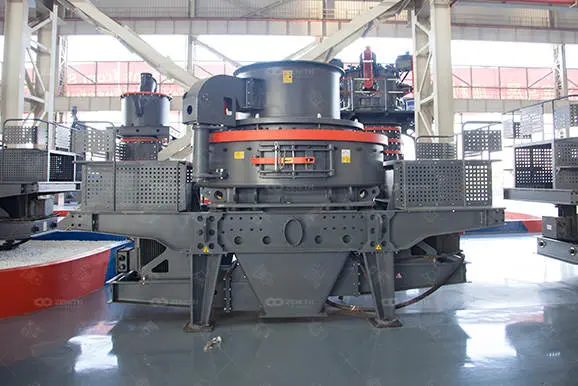
- Shape: Some crushers are better for cubical-shaped products (e.g., vertical shaft impact crushers).
- Quality Requirements: Industries like road construction may require specific output specifications.
4. Απαιτήσεις Χωρητικότητας
- Throughput: Required processing capacity (tons per hour) is a critical determinant in selecting a crusher. Ensure the selected machine meets or exceeds production requirements consistently.
- Efficiency Needs: Higher capacity machines reduce operating times and improve overall efficiency.
- Scalability: Consider future increases in production demand.
5. Τύπος Θραυστήρα
- Θραυστήρας Τζόου: Ideal for primary crushing, especially for large, hard, and abrasive materials.
- Κροκοδείος Θραυστήρας: Suitable for secondary and tertiary crushing, with adjustable output sizes.
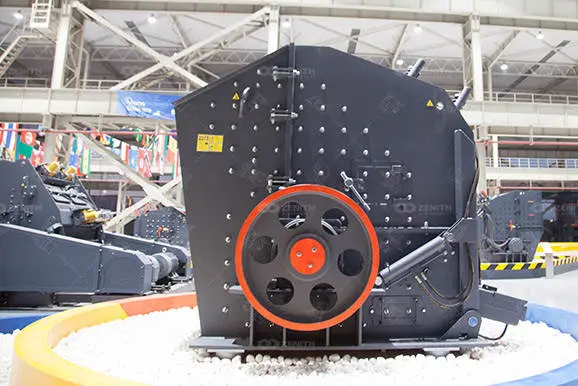
- Κρουστικός Θραυστήρας: Best for softer materials and producing uniformly shaped outputs.
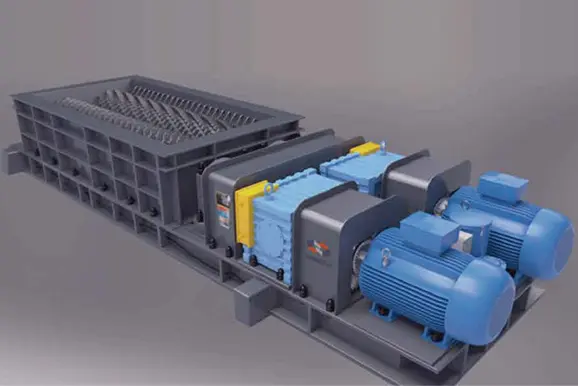
- Ρολό μύλος: Good for medium-sized but uniform feed requirements.
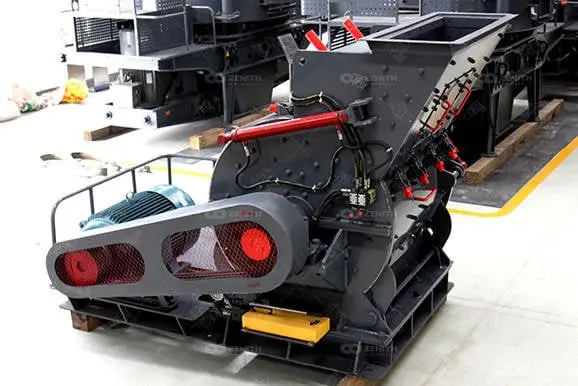
- Μύλος σφυριού: Useful for fine or ultra-fine crushing.
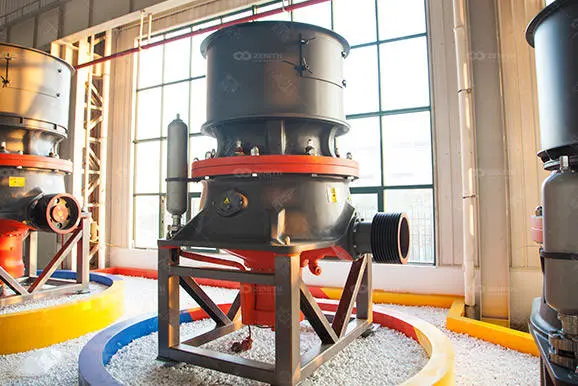
- Κωνικός Θραυστήρας: High throughput for primary use in large-scale operations.
6. Operational Environment
- Space Constraints: Crusher size and footprint should fit the operational space.
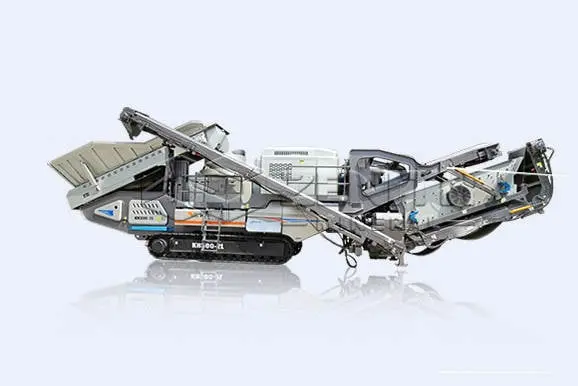
- Mobility Needs: Portable crushers are preferred for remote sites, while stationary machines suit fixed operations.
- Site Conditions: Dust, noise limitations, and vibration need to be considered for compliance with environmental and safety standards.
7. Κατανάλωση Ενέργειας
- Efficiency and power usage are important considerations for cost-effectiveness.
- Choose equipment with energy-efficient motors and optimized crushing mechanisms.
8. Maintenance and Durability
- Machines with simple designs are easier to maintain and reduce downtime.
- High abrasion-resistant components are critical for durability.
- Access to wear parts and ease of replacement impacts operational efficiency.
9. Εκτιμήσεις Κόστους
- Αρχική Επένδυση: Larger and more specialized crushers may have higher upfront costs.
- Λειτουργικά Κόστη: Ongoing energy, labor, and maintenance expenses factor into long-term cost efficiency.
- Spare Parts and Servicing: Availability and cost of spare parts, liners, and other consumables.
10. Manufacturer and Support
- Reputation of the manufacturer.
- Availability of technical support, warranties, and after-sales services.
11. Material Flow Considerations
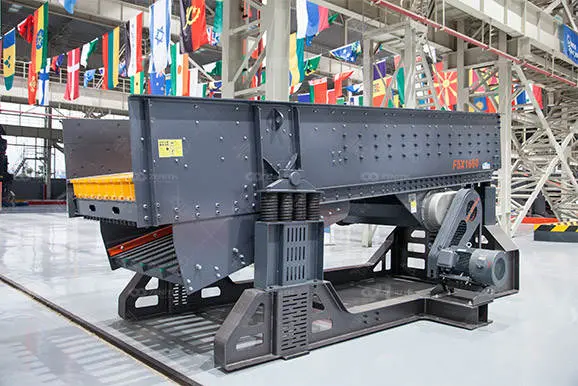
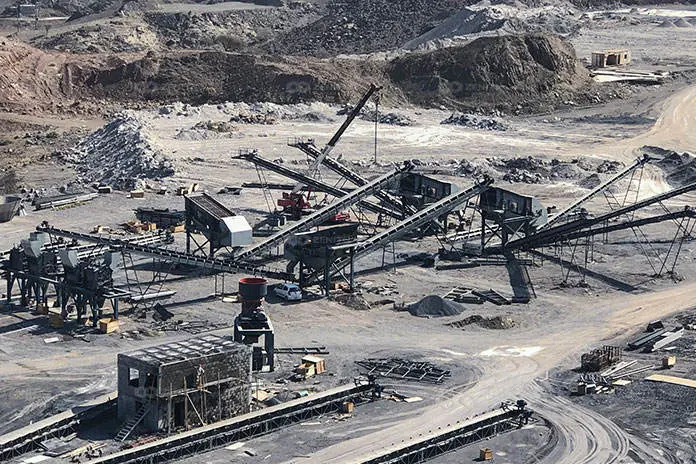
- Material handling and feeding systems (feeders, screens, and conveyors) must be compatible with the crusher to prevent bottlenecks and optimize throughput.
12. Compliance and Safety
- Ensure the crusher meets industry and local regulations for emissions, noise, and worker safety.
Conclusion:
The selection and design of a crusher machine depend on a combination of the above factors. The ultimate goal is to match the requirements of the material, desired output, and operational parameters to achieve efficient, cost-effective, and reliable crushing with maximum throughput capacity. Consulting with machinery experts and conducting material tests can further improve your decision-making process.
Contact Us
Shanghai Zenith Mineral Co., Ltd. is a leading manufacturer of crushing and grinding equipment in China. With more than 30 years of experience in the mining machinery industry, Zenith has built a strong reputation for delivering high-quality crushers, mills, sand-making machines, and mineral processing equipment to customers around the world.
Headquartered in Shanghai, China, Zenith integrates research, production, sales, and service, providing complete solutions for aggregates, mining, and mineral grinding industries. Its equipment is widely used in metallurgy, construction, chemical engineering, and environmental protection.
Committed to innovation and customer satisfaction, Shanghai Zenith continues to advance in intelligent manufacturing and green production, offering reliable equipment and comprehensive after-sales service to help clients achieve efficient and sustainable operations.
website: https://www.chinagrindingmill.net
Email:
Ηλεκτρονικό μήνυμαinfo@chinagrindingmill.net
WhatsApp+8613661969651