What Are the Fundamental Differences Between Crushing and Grinding in Mineral Processing?
Χρόνος:
11 May 2021

Crushing and grinding are two crucial processes in mineral processing, and while they share the common goal of reducing the size of raw materials and liberating valuable minerals, they differ fundamentally in terms of purpose, mechanism, and scale. Below are the key differences:
1. Σκοπός
- Συνθλίβοντας: The primary objective is to reduce large chunks of ore into smaller pieces to make them easier to process. Crushing typically results in coarser particles.
- Τριβή: The goal is to further reduce the size of these smaller particles to achieve finer material suitable for downstream processes, such as mineral separation (flotation, leaching, etc.).
2. Μείωση Μεγέθους
- Συνθλίβοντας: Involves a significant reduction in size, from large rocks to fragments typically no smaller than 1 mm to several centimeters in diameter.
- Τριβή: Achieves much smaller particle sizes, often below 0.1 mm, and is aimed at producing powders or finely milled material.
3. Equipment Used
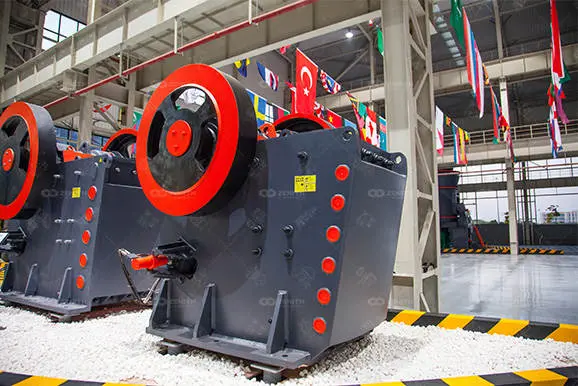
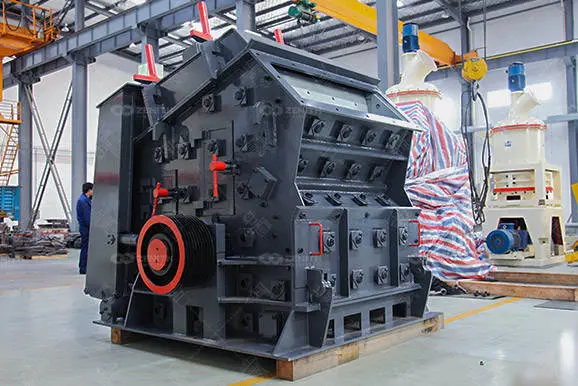
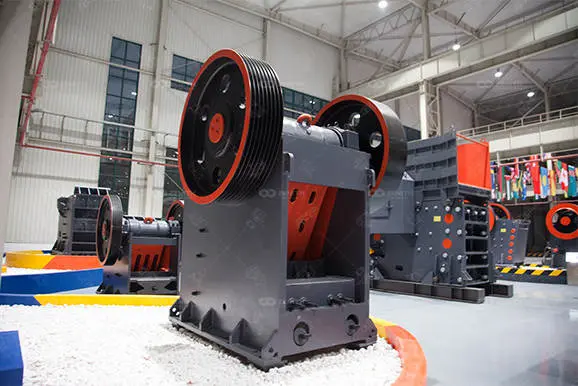
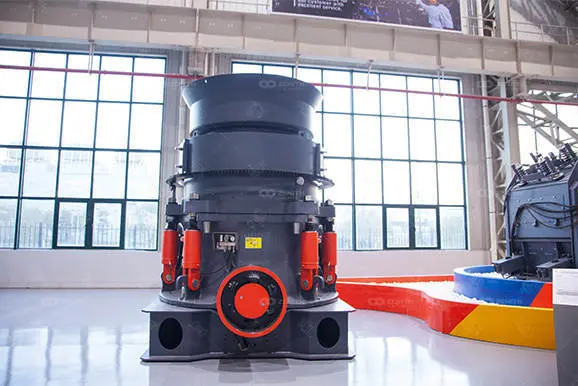
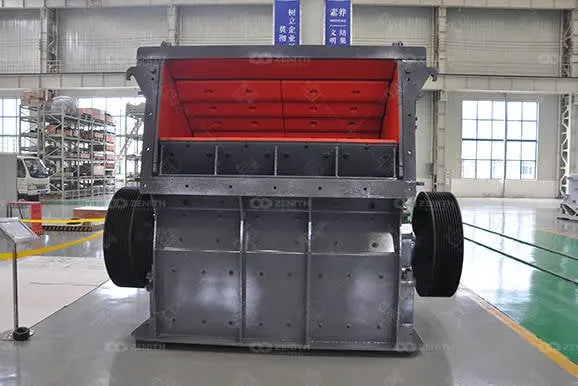
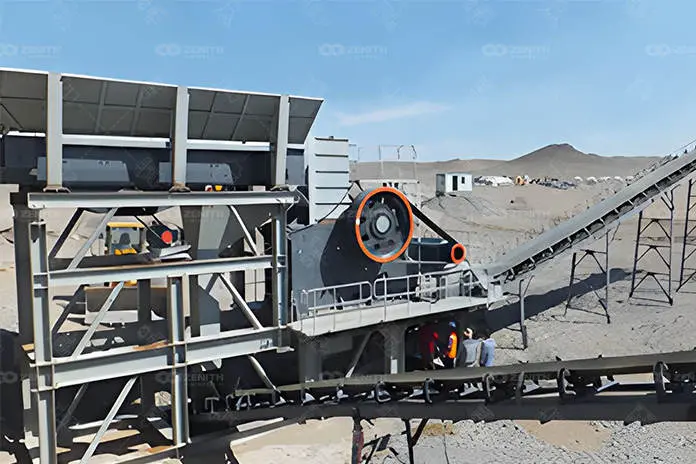
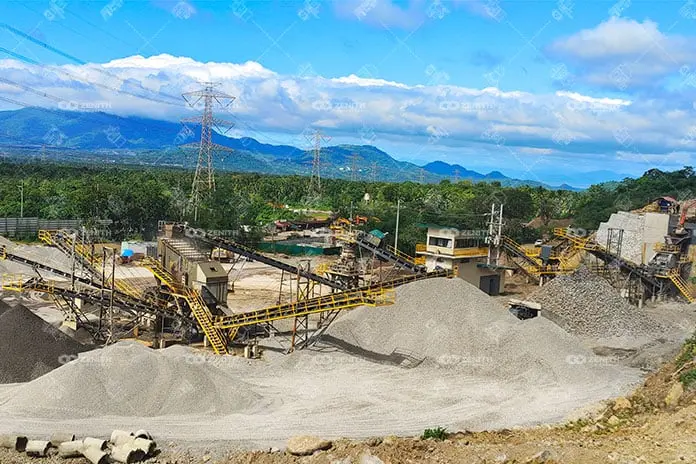
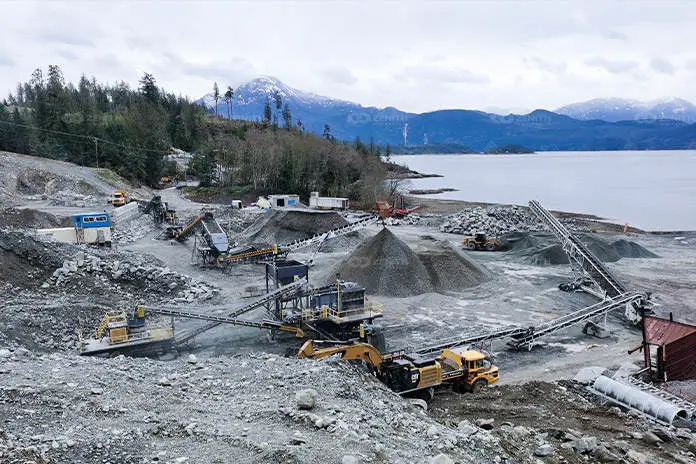
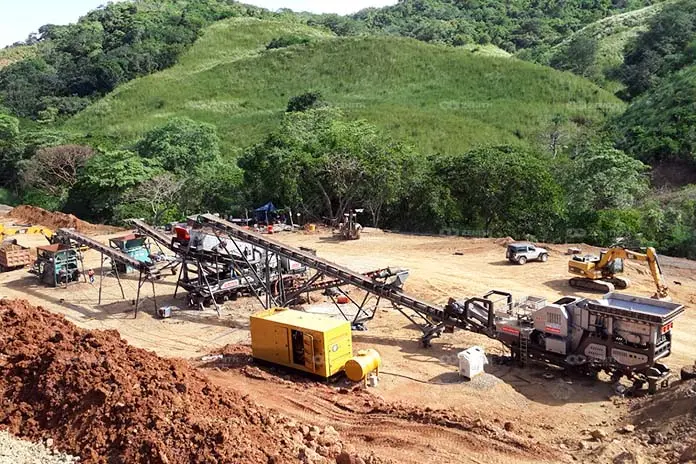
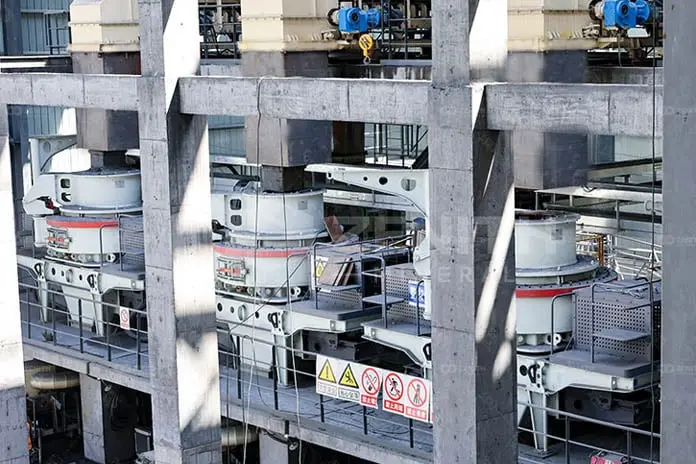
- Συνθλίβοντας: Commonly uses jaw crushers, gyratory crushers, cone crushers, and impact crushers. These machines apply compressive force to break the material.
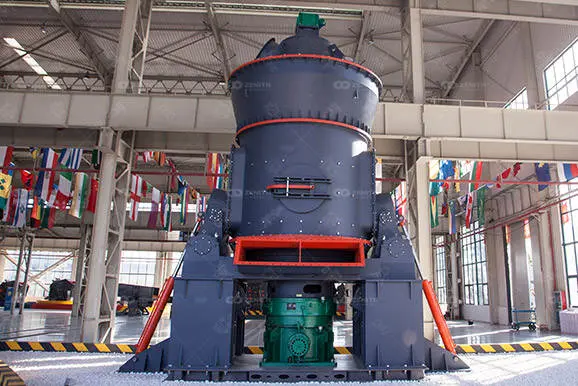
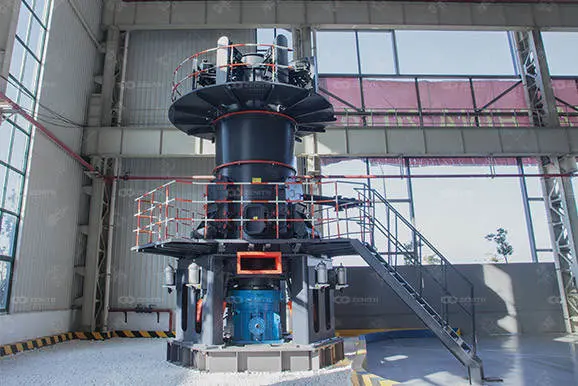
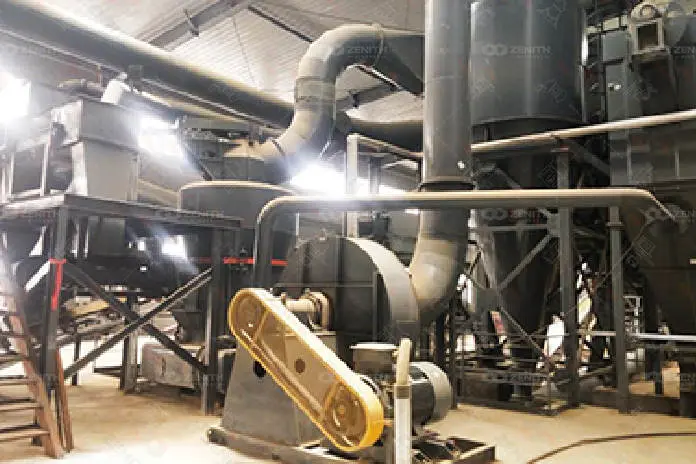
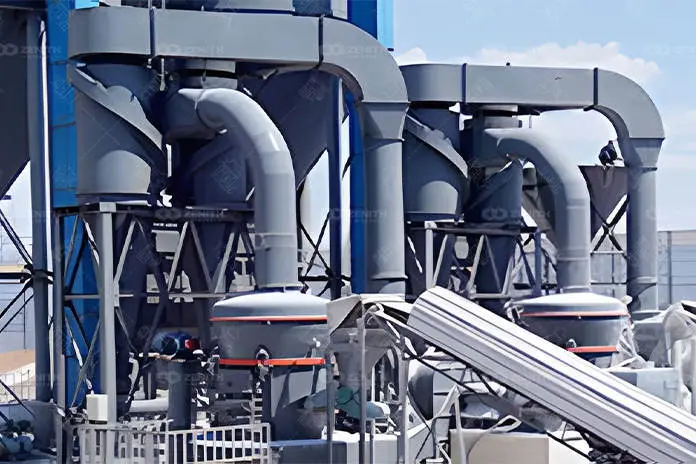
- Τριβή: Employs mills, such as ball mills, rod mills, SAG (semi-autogenous grinding) mills, or vertical mills. Grinding processes use abrasion, impact, or attrition to break particles.
4. Κατανάλωση Ενέργειας
- Συνθλίβοντας: Typically requires less energy since it deals with coarser material and involves fewer stages. Crushing is usually the first stage of comminution.
- Τριβή: Generally consumes more energy because of its fine size reduction and intensive mechanical action.
5. Stages of Processing
- Συνθλίβοντας: Operates at earlier stages, often before grinding. It prepares the ore for further processing.
- Τριβή: Occurs after crushing or directly on smaller-sized feed material. It prepares the ore for concentration or extraction by modifying the particle size and texture.
6. Mechanism of Size Reduction
- Συνθλίβοντας: Achieved through compressive forces that fracture the material, shattering it into smaller pieces.
- Τριβή: Achieved through abrasion (rubbing action) and impact forces that break apart particles to achieve finer sizes.
7. Output
- Συνθλίβοντας: Yields irregularly shaped fragments, which are relatively coarse.
- Τριβή: Produces finer particles that may have a more uniform size distribution.
8. Εφαρμογή
- Συνθλίβοντας: Typically used for preparing material for storage, transport, or primary processing steps like grinding.
- Τριβή: Used to prepare material for mineral separation, chemical processing, or for the final product (e.g., cement powders).
By combining crushing and grinding, mineral processing plants ensure efficient liberation of valuable minerals and optimal preparation for downstream processes.
Contact Us
Shanghai Zenith Mineral Co., Ltd. is a leading manufacturer of crushing and grinding equipment in China. With more than 30 years of experience in the mining machinery industry, Zenith has built a strong reputation for delivering high-quality crushers, mills, sand-making machines, and mineral processing equipment to customers around the world.
Headquartered in Shanghai, China, Zenith integrates research, production, sales, and service, providing complete solutions for aggregates, mining, and mineral grinding industries. Its equipment is widely used in metallurgy, construction, chemical engineering, and environmental protection.
Committed to innovation and customer satisfaction, Shanghai Zenith continues to advance in intelligent manufacturing and green production, offering reliable equipment and comprehensive after-sales service to help clients achieve efficient and sustainable operations.
website: https://www.chinagrindingmill.net
Email:
Ηλεκτρονικό μήνυμαinfo@chinagrindingmill.net
WhatsApp+8613661969651