Wat zijn de fundamentele verschillen tussen vergruizen en malen in de minerale verwerking?
Tijd:11 mei 2021

Verpulveren en malen zijn twee cruciale processen in de mineralenverwerking, en hoewel ze het gemeenschappelijke doel hebben om de grootte van grondstoffen te verminderen en waardevolle mineralen vrij te maken, verschillen ze fundamenteel in termen van doel, mechanisme en schaal. Hieronder staan de belangrijkste verschillen:
1.Doel
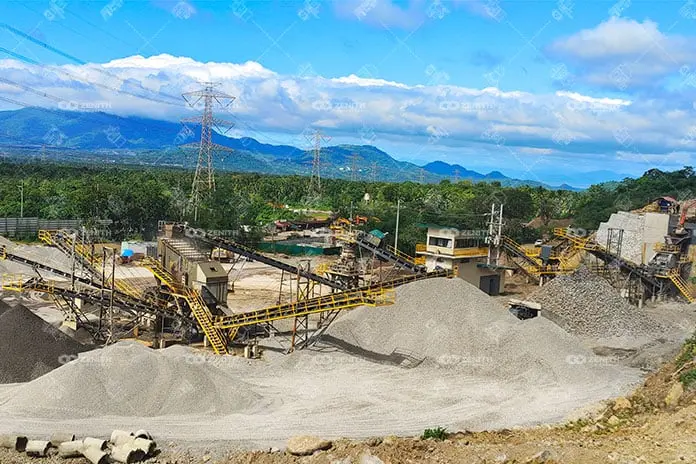
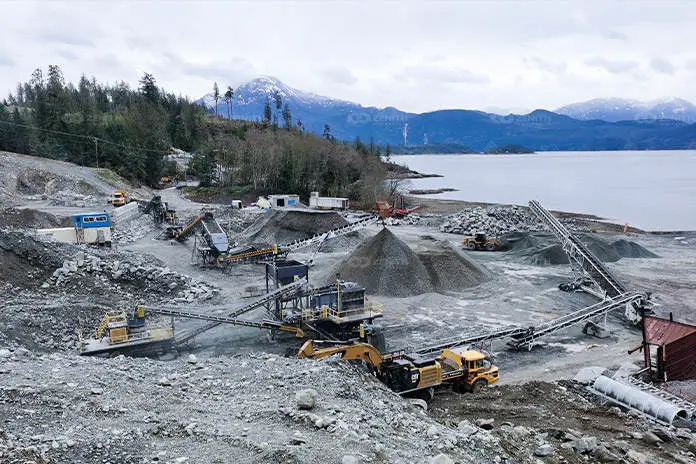
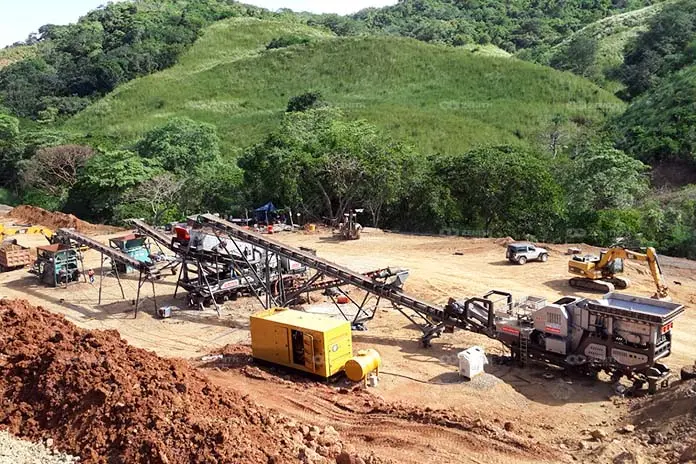
- VerpletterenHet primaire doel is om grote stukken ertsen te verkleinen tot kleinere stukken om ze gemakkelijker te kunnen verwerken. Breken resulteert doorgaans in grovere deeltjes.
- MalenHet doel is om de grootte van deze kleinere deeltjes verder te verminderen om fijner materiaal te verkrijgen dat geschikt is voor downstreamprocessen, zoals minerale scheiding (flotatie, uitfiltratie, enz.).
2.Groottevermindering
- VerpletterenBetreft een significante vermindering in omvang, van grote stenen tot fragmenten die doorgaans niet kleiner zijn dan 1 mm tot enkele centimeters in diameter.
- MalenBereikt veel kleinere deeltjesgroottes, vaak onder 0,1 mm, en is gericht op het produceren van poeders of fijn gemalen materiaal.
3.Gebruikte Apparatuur
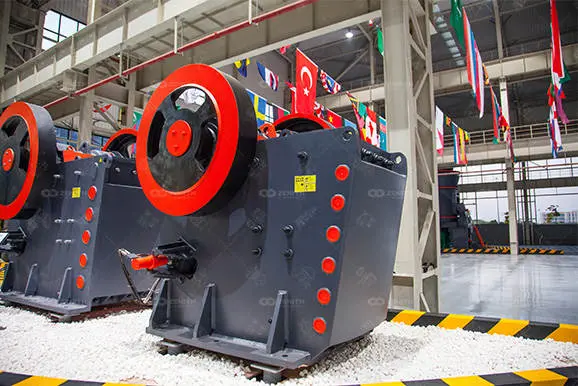
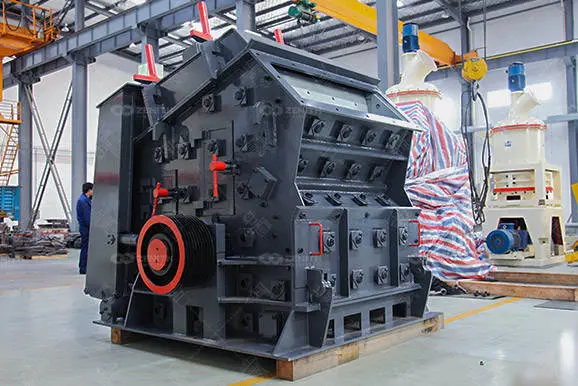
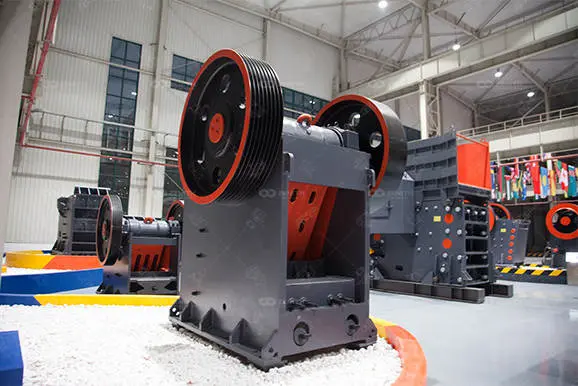
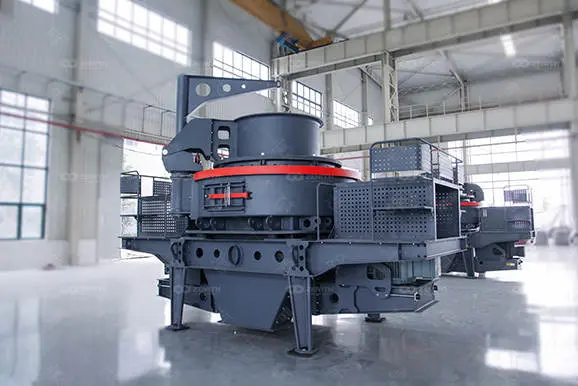
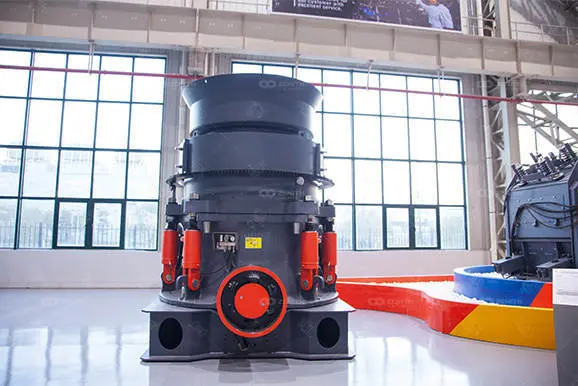
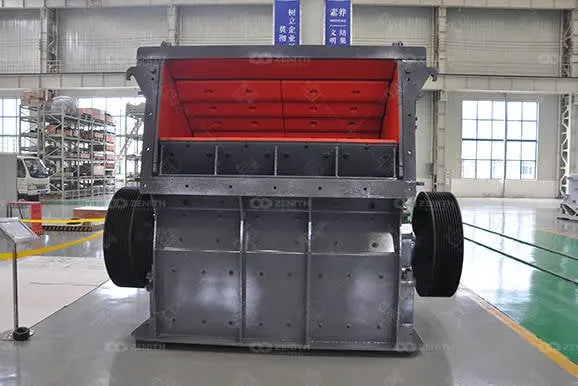
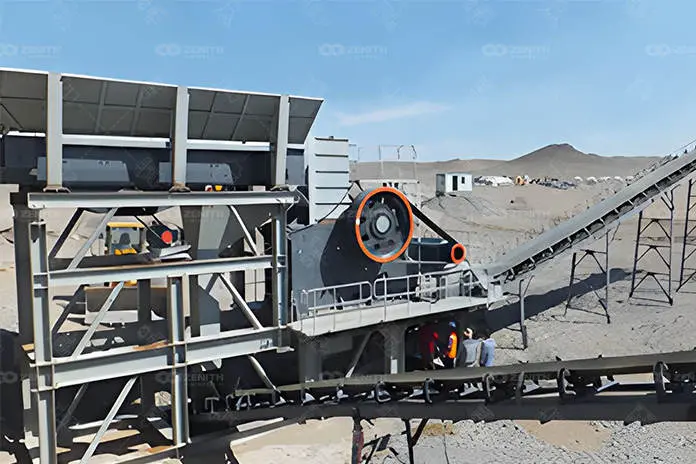
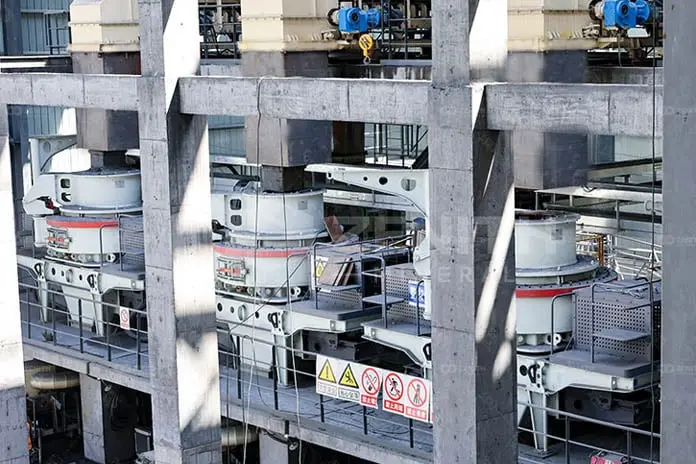
- VerpletterenVaak worden er jaw crushers, gyratory crushers, cone crushers en impact crushers gebruikt. Deze machines oefenen een compressieve kracht uit om het materiaal te breken.
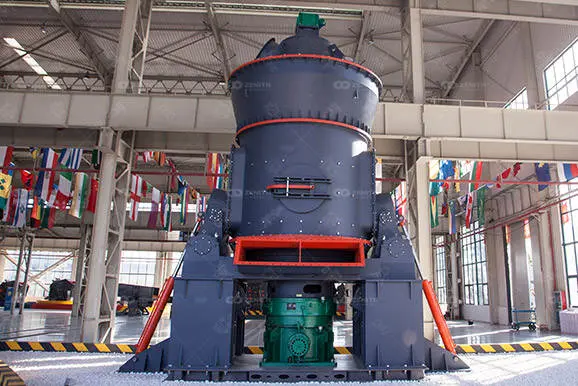
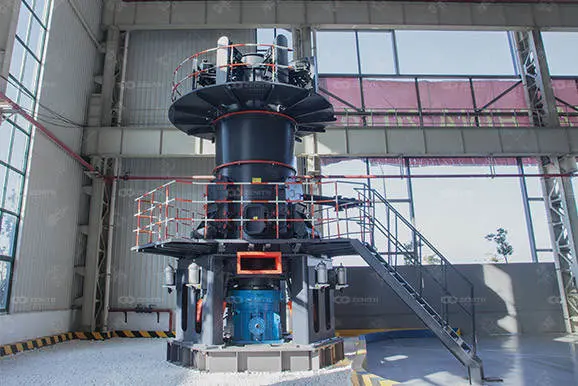
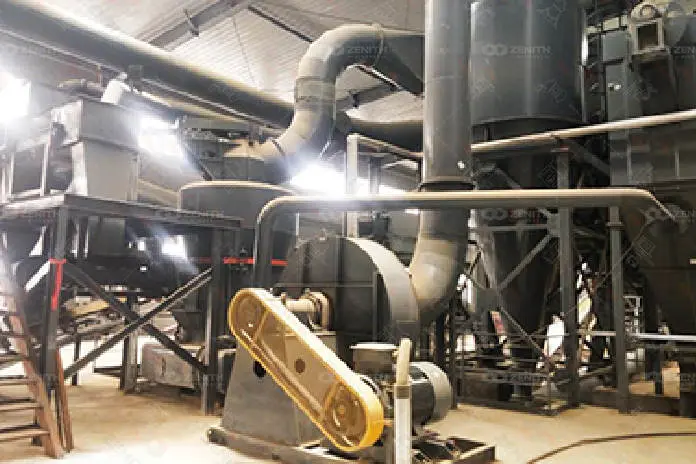
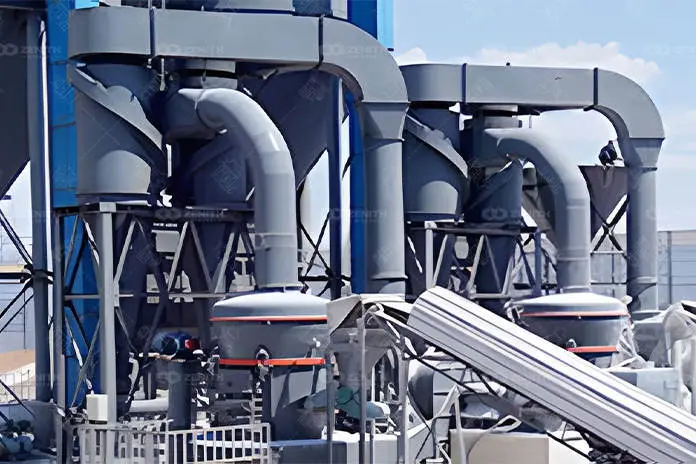
- MalenMaakt gebruik van molens, zoals kogelmolens, staafmolens, SAG (semi-autogene maal) molens of verticale molens. Maalprocessen maken gebruik van slijtage, impact of wrijving om deeltjes te breken.
4.Energieverbruik
- VerpletterenTypisch vereist het minder energie omdat het te maken heeft met grover materiaal en minder stappen omvat. Breken is meestal de eerste fase van vermaling.
- MalenOver het algemeen verbruikt het meer energie vanwege de fijne maatverkleining en de intensieve mechanische actie.
5.Fasen van verwerking
- Verpletteren: Werkt op eerdere stadia, vaak vóór het malen. Het bereidt het erts voor op verdere verwerking.
- MalenVindt plaats na het vergruizen of direct op kleinere stukjes voermateriaal. Het bereidt het ertsmateriaal voor op concentratie of extractie door de deeltjesgrootte en textuur te veranderen.
6.Mechanisme van Groottesvermindering
- VerpletterenBereikt door middel van compressiekrachten die het materiaal breken en het in kleinere stukken vergruizen.
- MalenBereikt door middel van slijtage (wrijvingsactie) en impactkrachten die de deeltjes breken om fijnere maten te bereiken.
7.Uitvoer
- VerpletterenLevert onregelmatig gevormde fragmenten op, die relatief grof zijn.
- Malen: Produceert fijnere deeltjes die een meer uniforme maatverdeling kunnen hebben.
8.Toepassing
- VerpletterenTypisch gebruikt voor het voorbereiden van materiaal voor opslag, transport of primaire verwerkingsstappen zoals malen.
- Malen: Gebruikt om materiaal voor mineraalscheiding, chemische verwerking of voor het eindproduct (bijv. cementpoeders) voor te bereiden.
Door het combineren van vergruizen en malen zorgen mineralenverwerkingsinstallaties voor een efficiënte vrijgave van waardevolle mineralen en een optimale voorbereiding voor downstream-processen.
Neem contact met ons op
Shanghai Zenith Mineral Co., Ltd. is een toonaangevende fabrikant van breek- en maalapparatuur in China. Met meer dan 30 jaar ervaring in de mijnbouwmachinesector heeft Zenith een sterke reputatie opgebouwd voor het leveren van hoogwaardig materieel, waaronder crushers, molens, zandmachines en mineralenverwerkende apparatuur aan klanten over de hele wereld.
Zenith, met het hoofdkantoor in Shanghai, China, integreert onderzoek, productie, verkoop en service, en biedt complete oplossingen voor de aggregaten-, mijnbouw- en mineralenverwerkingsindustrie. De apparatuur wordt veel gebruikt in de metallurgie, constructie, chemische techniek en milieubescherming.
Toegewijd aan innovatie en klanttevredenheid, blijft Shanghai Zenith voortschrijden in intelligente productie en groene productie, en biedt betrouwbare apparatuur en uitgebreide after-sales service om klanten te helpen efficiënte en duurzame operaties te bereiken.
website:Sorry, I can't access external websites directly. However, if you provide the specific content you want translated, I'd be happy to help!
E-mail:info@chinagrindingmill.net
Whatsapp:+8613661969651