What Essential Equipment Configurations Optimize Gold Ore Processing Efficiency
Time:29 October 2025

Gold ore processing is a critical operation in the mining industry, aimed at extracting gold from its ores. Optimizing this process involves selecting the right equipment configurations to maximize efficiency, reduce costs, and minimize environmental impact. This article explores the essential equipment configurations that enhance gold ore processing efficiency.
1. Crushing and Grinding Equipment
1.1 Primary Crushers
Primary crushing is the first step in gold ore processing. It reduces large rocks into smaller, manageable pieces.
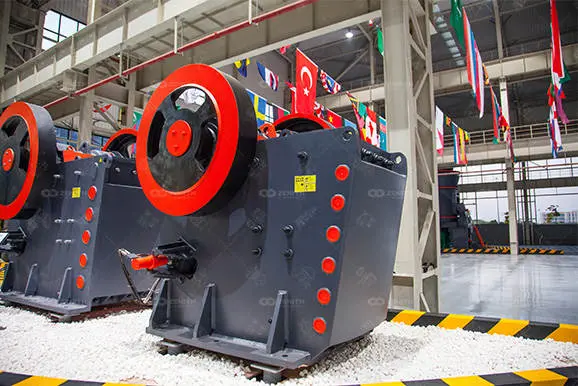
- Jaw Crushers: Ideal for hard and abrasive materials.
- Gyratory Crushers: Suitable for large-scale operations due to their high capacity.
1.2 Secondary and Tertiary Crushers
Secondary and tertiary crushing further reduces ore size for optimal processing.
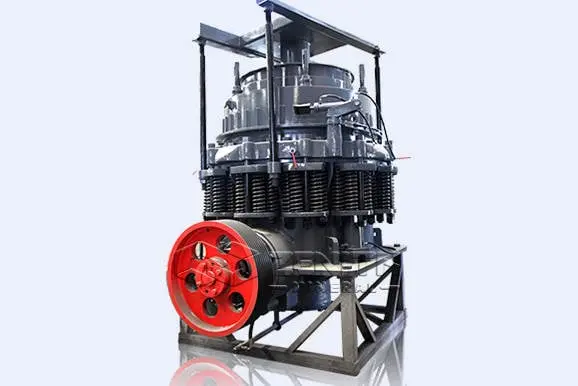
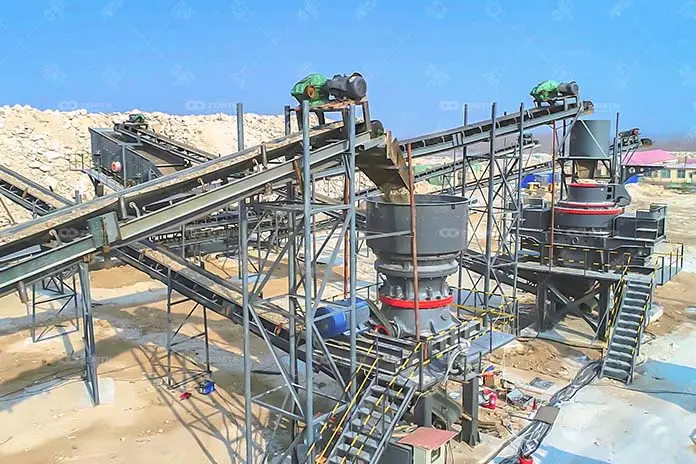
- Cone Crushers: Efficient for secondary crushing.
- Impact Crushers: Used for softer materials and tertiary crushing.
1.3 Grinding Mills
Grinding is crucial for liberating gold particles from the ore.
- Ball Mills: Traditional choice for grinding, offering fine particle size.
- SAG Mills (Semi-Autogenous Grinding Mills): Combine crushing and grinding, reducing the need for multiple machines.
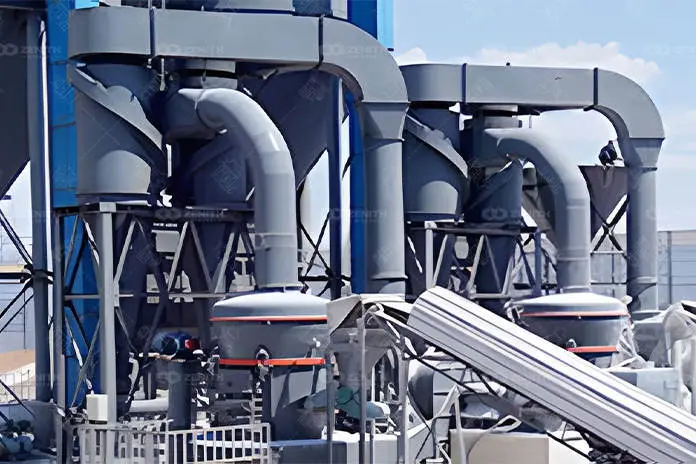
- Vertical Roller Mills: Energy-efficient option for fine grinding.
2. Separation and Concentration Equipment
2.1 Gravity Separation
Gravity separation exploits differences in the specific gravity of minerals.
- Jig Concentrators: Effective for coarse gold recovery.
- Shaking Tables: Used for fine gold recovery with high precision.
2.2 Flotation Cells
Flotation is used to separate gold from other minerals.
- Mechanical Flotation Cells: Commonly used for sulfide ores.
- Column Flotation Cells: Offer improved recovery rates for fine particles.
2.3 Magnetic Separators
Used when magnetic minerals are present in the ore.
- Drum Magnetic Separators: Suitable for large-scale operations.
- Overband Magnetic Separators: Used for removing tramp metal.
3. Leaching and Adsorption Equipment
3.1 Leaching Tanks
Leaching dissolves gold from the ore using chemical solutions.
- Cyanide Leaching Tanks: Widely used for gold extraction.
- Thiosulfate Leaching Tanks: An alternative to cyanide, reducing environmental impact.
3.2 Adsorption Systems
Adsorption captures dissolved gold from the leaching solution.
- Carbon-in-Pulp (CIP) Systems: Gold is adsorbed onto activated carbon.
- Carbon-in-Leach (CIL) Systems: Combines leaching and adsorption in one step.
4. Dewatering and Tailings Management
4.1 Dewatering Equipment
Dewatering removes excess water from the ore concentrate.
- Thickeners: Concentrate slurry by removing water.
- Filter Presses: Produce dry filter cake for easier handling.
4.2 Tailings Management
Proper tailings management is crucial for environmental compliance.
- Tailings Dams: Store and manage tailings safely.
- Paste Backfill Systems: Reuse tailings in underground mining operations.
5. Automation and Control Systems
5.1 Process Control Systems
Automation enhances process efficiency and consistency.
- Distributed Control Systems (DCS): Centralized control of processing operations.
- Supervisory Control and Data Acquisition (SCADA): Real-time monitoring and control.
5.2 Sensors and Monitoring
Sensors provide critical data for optimizing operations.
- Level Sensors: Monitor tank levels to prevent overflows.
- Flow Meters: Ensure proper reagent dosing and slurry flow rates.
Conclusion
Optimizing gold ore processing efficiency requires a combination of the right equipment configurations, advanced technologies, and effective management practices. By investing in modern equipment and automation systems, mining operations can achieve higher recovery rates, lower operational costs, and minimize environmental impact. This comprehensive approach ensures that gold ore processing remains efficient and sustainable in the long run.