What is the standard particle size of ball mill grinding
Time:16 September 2025

Ball mills are widely used in various industries for grinding materials into fine powders. Understanding the standard particle size for ball mill grinding is crucial for optimizing the milling process and achieving desired results. This article explores the factors influencing particle size, standard measurements, and practical considerations.
Understanding Particle Size in Ball Mill Grinding
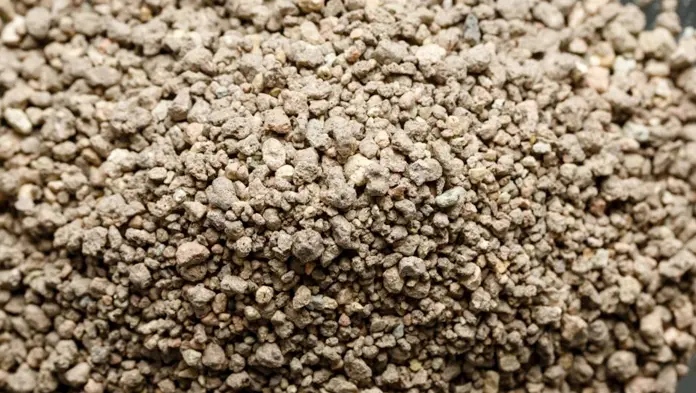
Particle size refers to the diameter of individual particles in a material. In the context of ball mill grinding, it is essential to achieve a specific particle size to ensure the material’s suitability for its intended use.
Factors Influencing Particle Size
Several factors can affect the particle size achieved through ball mill grinding:
- Material Properties: Hardness, density, and moisture content can influence grinding efficiency.
- Mill Design: The size and design of the mill can impact the grinding process.
- Grinding Media: The size, material, and quantity of grinding media affect the final particle size.
- Operational Parameters: Speed, duration, and load of the mill can alter particle size outcomes.
Standard Particle Size Measurements
Standard particle size measurements are essential for consistency and quality control in ball mill grinding. These measurements are typically expressed in micrometers (µm).
Common Particle Size Ranges
Ball mill grinding can produce a wide range of particle sizes, depending on the application:
- Coarse Grinding: Typically results in particle sizes greater than 100 µm.
- Medium Grinding: Achieves particle sizes between 40 µm and 100 µm.
- Fine Grinding: Produces particle sizes less than 40 µm.
Measurement Techniques
Several techniques are used to measure particle size:
- Sieve Analysis: Involves passing the material through a series of sieves with different mesh sizes.
- Laser Diffraction: Uses laser light to determine particle size distribution.
- Dynamic Light Scattering (DLS): Measures fluctuations in light scattering due to particle movement.
Practical Considerations for Achieving Standard Particle Sizes
Achieving the desired particle size requires careful consideration of various factors and operational adjustments.
Selecting the Right Grinding Media
Choosing appropriate grinding media is crucial for optimal particle size:
- Size: Smaller media can produce finer particles, while larger media are suitable for coarser grinding.
- Material: Media made from materials like steel, ceramic, or glass can affect grinding efficiency and contamination levels.
Optimizing Operational Parameters
Adjusting mill operation can help achieve the desired particle size:
- Speed: Increasing mill speed can lead to finer particles, but may also increase wear on the mill.
- Duration: Longer grinding times typically result in finer particles.
- Load: Balancing the load can optimize grinding efficiency and particle size distribution.
Monitoring and Quality Control
Regular monitoring and quality control are essential for maintaining standard particle sizes:
- Routine Testing: Conduct regular particle size analysis to ensure consistency.
- Adjustments: Make operational adjustments based on test results to maintain desired particle size.
Conclusion
Understanding the standard particle size of ball mill grinding is vital for optimizing milling processes and achieving desired material properties. By considering factors such as material properties, mill design, grinding media, and operational parameters, industries can effectively control particle size to meet specific requirements. Regular monitoring and adjustments ensure consistency and quality in ball mill grinding operations.