info@chinagrindingmill.net
+8613661969651
english En
ئېنگلىسىز 中文 ئەدەبىيەت ھىندىچە اسبانييە French Arabic Bengali Russian Portuguese Indonesian Urdu German Japanese Swahili Turkish Italian Korean Vietnamese Tamil Punjabi Persian (Farsi) Thai Dutch Polish Ukrainian Romanian Greek Hebrew Swedish Czech Hungarian Danish Finnish Norwegian Malay Tagalog (Filipino) Gujarati Kannada Burmese Amharic Hausa Somali Yoruba Zulu Afrikaans Nepali Sinhala Khmer Lao Mongolian Javanese Telugu Marathi Malayalam Uyghur
SHANGHAI ZENITH MINERAL CO.,LTD. SHANGHAI ZENITH MINERAL CO.,LTD.
  • Home
  • About
  • Products
    Mobile CrusherStone CrusherGrinding MillsModular CrushersMining Equipment
  • Cases
  • Solutions
  • Library
  • Contact
  • Quote Now
  • Home
  • Downloads
  • What is the standard particle size of ball mill grinding

What is the standard particle size of ball mill grinding

Time:16 September 2025
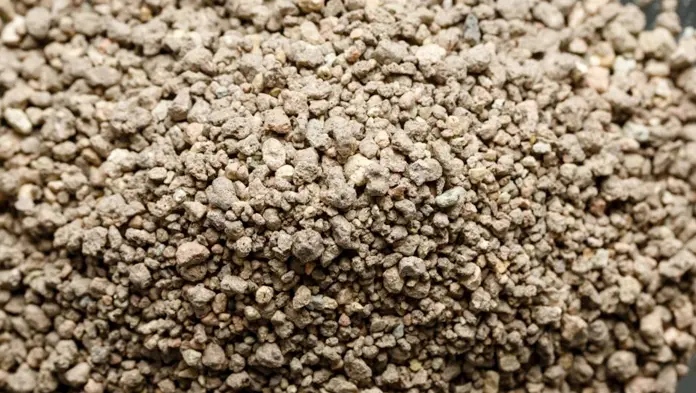
Ball mills are widely used in various industries for grinding materials into fine powders. Understanding the standard particle size for ball mill grinding is crucial for optimizing the milling process and achieving desired results. This article explores the factors influencing particle size, standard measurements, and practical considerations.

Understanding Particle Size in Ball Mill Grinding

Particle size refers to the diameter of individual particles in a material. In the context of ball mill grinding, it is essential to achieve a specific particle size to ensure the material’s suitability for its intended use.

Factors Influencing Particle Size

Several factors can affect the particle size achieved through ball mill grinding:

  • Material Properties: Hardness, density, and moisture content can influence grinding efficiency.
  • Mill Design: The size and design of the mill can impact the grinding process.
  • Grinding Media: The size, material, and quantity of grinding media affect the final particle size.
  • Operational Parameters: Speed, duration, and load of the mill can alter particle size outcomes.

Standard Particle Size Measurements

Standard particle size measurements are essential for consistency and quality control in ball mill grinding. These measurements are typically expressed in micrometers (µm).

Common Particle Size Ranges

Ball mill grinding can produce a wide range of particle sizes, depending on the application:

  1. Coarse Grinding: Typically results in particle sizes greater than 100 µm.
  2. Medium Grinding: Achieves particle sizes between 40 µm and 100 µm.
  3. Fine Grinding: Produces particle sizes less than 40 µm.

Measurement Techniques

Several techniques are used to measure particle size:

  • Sieve Analysis: Involves passing the material through a series of sieves with different mesh sizes.
  • Laser Diffraction: Uses laser light to determine particle size distribution.
  • Dynamic Light Scattering (DLS): Measures fluctuations in light scattering due to particle movement.

Practical Considerations for Achieving Standard Particle Sizes

Achieving the desired particle size requires careful consideration of various factors and operational adjustments.

Selecting the Right Grinding Media

Choosing appropriate grinding media is crucial for optimal particle size:

  • Size: Smaller media can produce finer particles, while larger media are suitable for coarser grinding.
  • Material: Media made from materials like steel, ceramic, or glass can affect grinding efficiency and contamination levels.

Optimizing Operational Parameters

Adjusting mill operation can help achieve the desired particle size:

  1. Speed: Increasing mill speed can lead to finer particles, but may also increase wear on the mill.
  2. Duration: Longer grinding times typically result in finer particles.
  3. Load: Balancing the load can optimize grinding efficiency and particle size distribution.

Monitoring and Quality Control

Regular monitoring and quality control are essential for maintaining standard particle sizes:

  • Routine Testing: Conduct regular particle size analysis to ensure consistency.
  • Adjustments: Make operational adjustments based on test results to maintain desired particle size.

Conclusion

Understanding the standard particle size of ball mill grinding is vital for optimizing milling processes and achieving desired material properties. By considering factors such as material properties, mill design, grinding media, and operational parameters, industries can effectively control particle size to meet specific requirements. Regular monitoring and adjustments ensure consistency and quality in ball mill grinding operations.


  • Previous: What is the mining process of barite
  • Next: What is the waste of ore crushing plant

Main Products

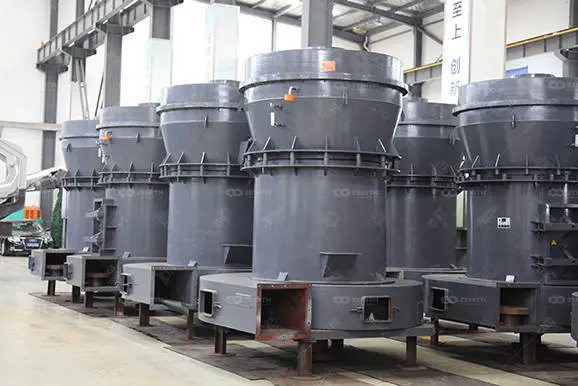
MTM Medium-Speed Grinding Mill

MTM Medium-Speed Grinding Mill

MTM Medium-Speed Grinding Mill adopts world-leading powder processing technology. It is the ideal substitute of the traditional mills like Raymond...

Learn More
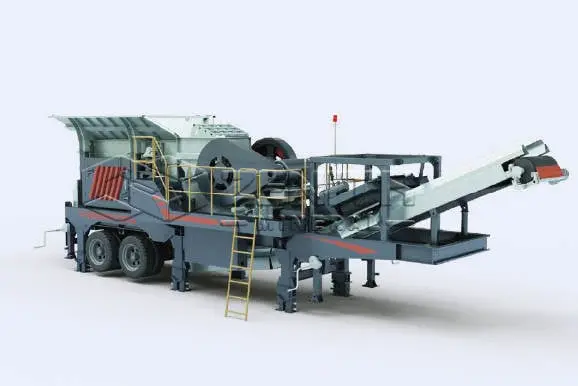
NK Portable Crusher Plant

NK Portable Crusher Plant

NK Portable Crusher Plant is, also known as NK Wheel-mounted Portable Crusher, a cost-effective choice for stone and metallic ore...

Learn More
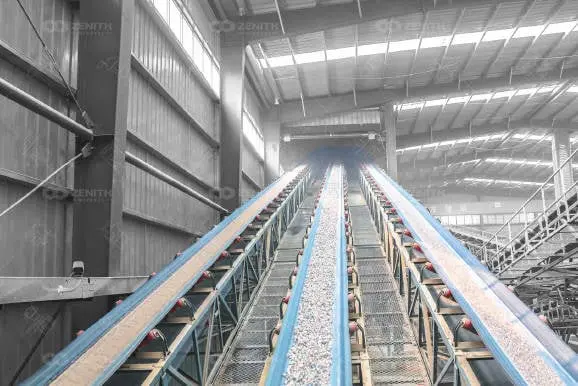
Belt Conveyor

Belt Conveyor

ZENITH’s Belt Conveyor is stable and compact and can be easily installed. It is an ideal upgrading and substitute product...

Learn More
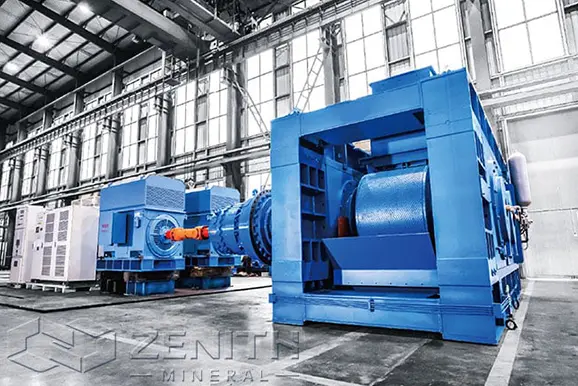
HGM Series High Pressure Grinding Roller

HGM Series High Pressure Grinding Roller

The HPGR significantly enhances the capacity of the crushing system while reducing the consumption of electric power and steel balls...

Learn More
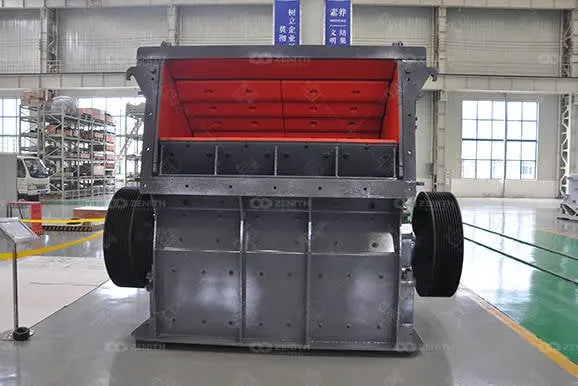
CI5X Impact Crusher

CI5X Impact Crusher

CI5X Impact Crusher often appears in the secondary crushing stage to process medium hard materials such as limestone, feldspar, calcite,...

Learn More
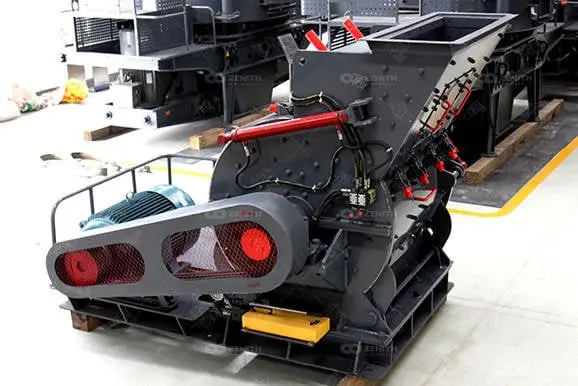
Hammer Mill

Hammer Mill

Hammer Mill is mainly used for coarse powder production and sand production. The end products can be controlled within 0-3mm...

Learn More
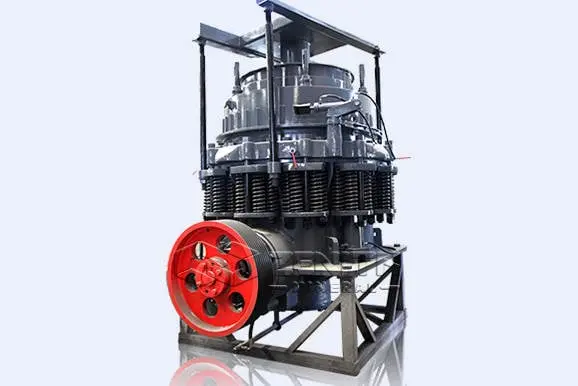
S Spring Cone Crusher

S Spring Cone Crusher

Based on the lamination crushing principle and concept of crushing more and grinding less, S Spring Cone Crusher was released.

Learn More
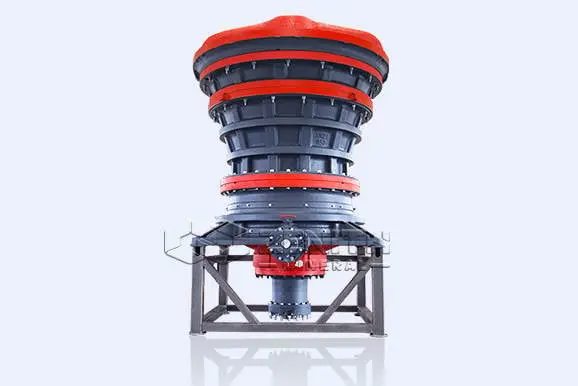
HGT Gyratory Crusher

HGT Gyratory Crusher

HGT Gyratory Crusher was developed to cater for market demands for large crushing equipment. It’s absolutely an ideal choice for...

Learn More
SP Vibrating Feeder

SP Vibrating Feeder

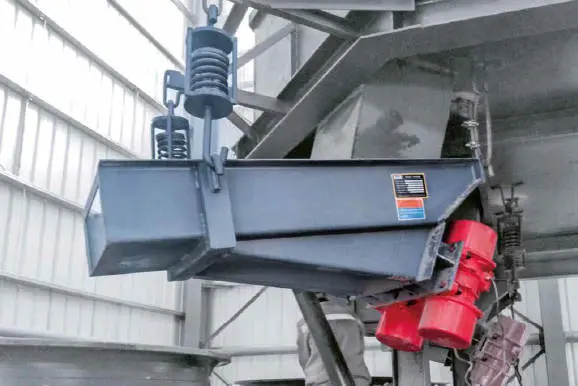
SP Vibrating Feeder can be used to feed small and medium-sized blocks, grain, and powder materials evenly and continuously.

Learn More
S5X Vibrating Screen

S5X Vibrating Screen

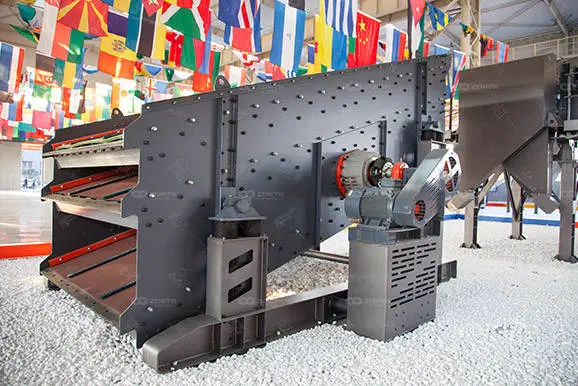
S5X Vibrating Screen is applicable to heavy-type, middle-type and fine screening operations. It is the ideal screen for primary and...

Learn More

Solutions

We have more than 5000 cases around the world and provide a full range of solutions.
LEAD-ZINC ORE CRUSHING PLANTS DESIGN

LEAD-ZINC ORE CRUSHING PLANTS DESIGN

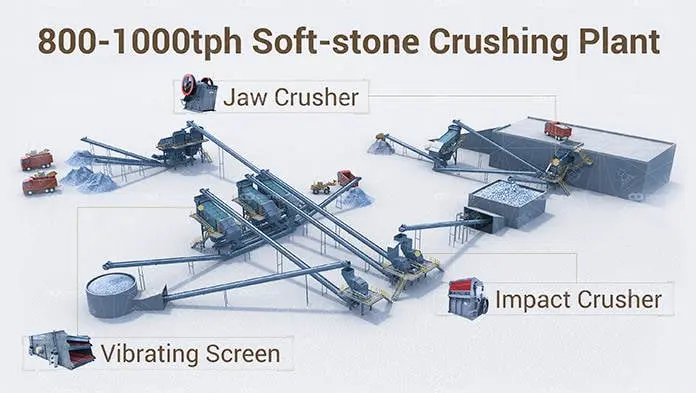
800-1000t/h Soft Rock Crushing Plant

800-1000t/h Soft Rock Crushing Plant

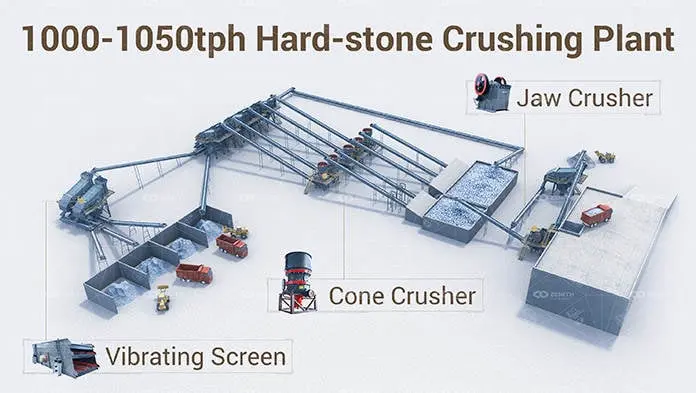
1000-1050t/h Hard Rock Crushing Plant

1000-1050t/h Hard Rock Crushing Plant

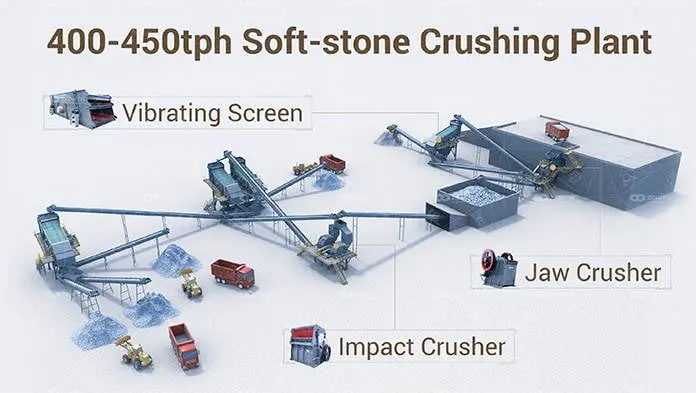
400-450t/h Soft Rock Crushing Plant

400-450t/h Soft Rock Crushing Plant

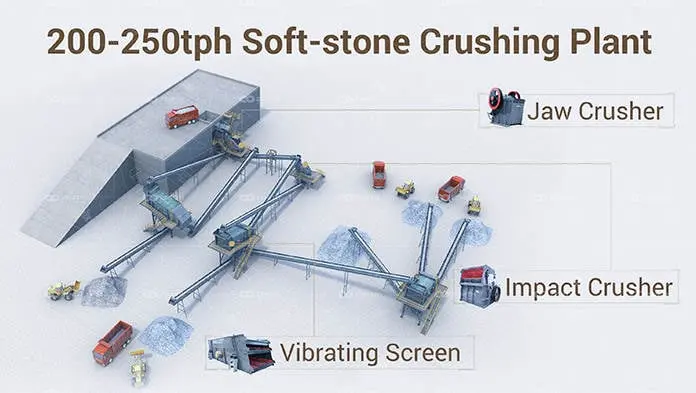
200-250t/h Soft Rock Crushing Plant

200-250t/h Soft Rock Crushing Plant

DOLOMITE CRUSHING PLANTS DESIGN

DOLOMITE CRUSHING PLANTS DESIGN

BENTONITE GRINDING PLANTS DESIGN

BENTONITE GRINDING PLANTS DESIGN

300-350t/h Soft Rock Crushing Plant

300-350t/h Soft Rock Crushing Plant

SHANGHAI ZENITH MINERAL CO.,LTD.

Certification

  • CE
  • SGS
  • ISO
  • GOST

Contact information

  • Whatsapp: +8613661969651
  • Email: info@chinagrindingmill.net
  • Website: www.chinagrindingmill.net
  • Address: No. 1688, East Gaoke Road, Shanghai, China

Our Solutions

50-100t/h Soft Rock Crushing Plant
50-100t/h Hard Rock Crushing Plant
100-150t/h Soft Rock Crushing Plant
100-150t/h Hard Rock Crushing Plant
150-200t/h Soft Rock Crushing Plant
150-180t/h Hard Rock Crushing Plant

Cases

Ghana 100-120TPH Granite Portable Crushing Plant
Dubai 550t/h Limestone Crushing Plant
Philippines 80TPH River Pebble Crushing Plant
Turkey Copper Ore Crushing Plant

Resources

Librarys
FAQs
Downloads

About Us

Copyright © 2025 SHANGHAI ZENITH MINERAL CO.,LTD. All Rights Reserved.