What Fundamental Mechanical Principles Govern Industrial Grinding Systems?
वेळ:
26 November 2025
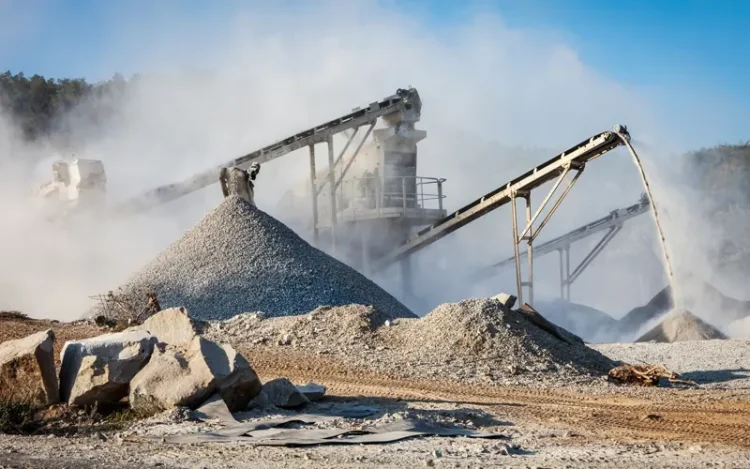
Industrial grinding systems, which are widely used in manufacturing and material processing, rely on several fundamental mechanical principles to achieve size reduction, shape alteration, or surface preparation. These principles govern the efficiency, effectiveness, and outcomes of grinding processes. Below are the key mechanical principles that govern industrial grinding systems:
1. Energy Transfer and Conservation of Energy
- Principle: Kinetic energy is imparted to grinding media or workpieces through mechanical forces, which is then used to fracture, deform, or break down materials.
- Grinding systems operate on the principle of converting mechanical energy into the work required for particle size reduction. The efficiency of this energy transfer directly affects the performance of the system.
- Key concepts include the work-energy principle, energy dissipation due to friction and heat, and the mechanical efficiency of the grinding system.
2. Material Fracture Mechanics
- Principle: Material removal or size reduction occurs when the mechanical stress applied to particles exceeds their fracture strength.
- Most grinding systems rely on crack propagation (brittle fracture) or plastic deformation for softer materials. The governing factors include:
- Stress concentration at particle contact points.
- Tensile and compressive stresses applied during grinding.
- Material properties, such as hardness, ductility, and toughness.
3. Abrasion and Wear Mechanics
- Principle: Grinding utilizes abrasive action to reduce material size or shape surfaces.
- When abrasive particles or grinding media come into contact with the workpiece, high local stresses remove material through micro-cutting or plowing.
- The wear of grinding tools (e.g., grinding wheels) and the workpiece also involve adhesion, abrasion, and fatigue, which influence the grinding performance and tool life.
4. Force Transmission
- Principle: Grinding involves the application of force between grinding tools (e.g., wheels, balls, or belts) and the material being processed.
- The nature of these forces can be compressive, tensile, or shear, depending on the grinding method, such as:
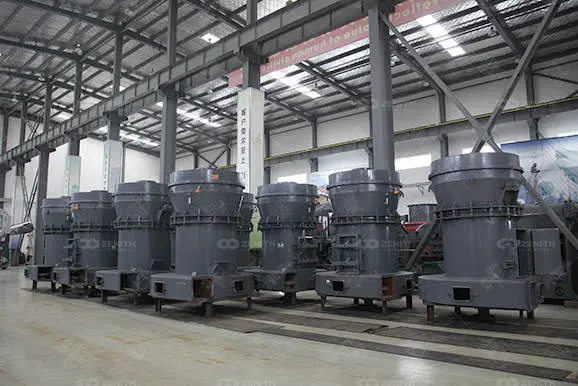
- Shear forces dominate in ball mills or roller-type grinding processes.
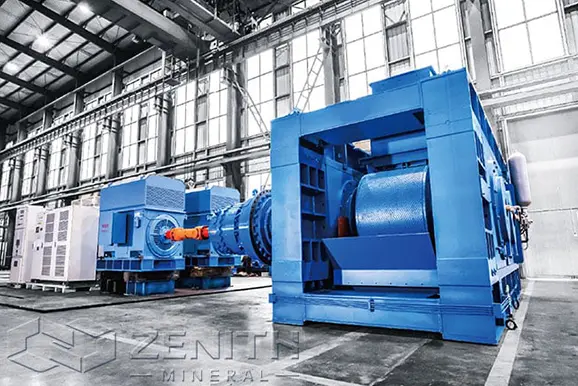
- Compressive forces are more prevalent in crushers or vertical roller mills.
- Tensile forces are involved in many fine or precision grinding applications.
5. Impact and Attrition
- Principle: Size reduction in grinding often happens due to impact or compressive forces created by collisions.
- In systems like ball mills or impact crushers, particles are shattered by repeated impacts with grinding media.
- Attrition, on the other hand, is caused by surface friction and shear forces acting between particles during grinding.
6. Kinetics of Grinding
- Principle: Grinding performance is influenced by the time particles spend in the grinding zone, referred to as retention time.
- The size reduction rate depends on factors such as grinding speed, feed rate, and the design of the grinding equipment.
- Proper balance between collision frequency and material flow is critical for optimal outcomes.
7. Heat Generation and Dissipation
- Principle: Grinding involves significant friction and deformation, resulting in heat generation.
- Heat affects the material properties (e.g., hardness) and can lead to thermal damage, such as surface cracks or burns, if not properly managed.
- Grinding systems incorporate cooling mechanisms (e.g., coolant fluids or air flow) to dissipate excess heat and maintain process stability.
8. Particle Size Distribution and Classification
- Principle: The output of a grinding system depends on achieving the desired particle size distribution (PSD).
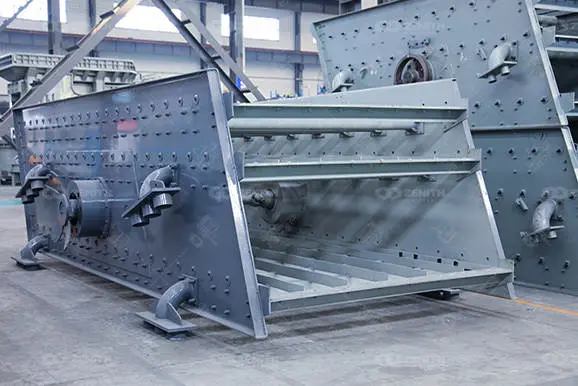
- Grinding systems often include classification mechanisms (e.g., air separators, screens) to separate fine particles from larger ones and recycle the coarse material for further grinding.
9. Load and Friction Analytics
- Principle: Load distribution and friction directly impact the grinding system’s efficiency and tool wear.
- Grinding tools must maintain uniform contact with the material to apply consistent forces. Imbalances can lead to uneven wear and reduced tool life.
10. Vibration, Stability, and Machine Dynamics
- Principle: Stability of the grinding system is vital for consistent output and to avoid excessive wear or failure.
- Vibrations from unbalanced grinding tools, improper clamping, or harmonics can reduce grinding quality and cause mechanical failure of components.
11. Lubrication and Cooling
- Principle: Proper lubrication and cooling reduce friction, heat, and wear in grinding processes.
- Coolant fluids are commonly used to flush away debris, reduce thermal effects, and improve the life of grinding tools.
12. Feed Rate and Material Flow
- Principle: The rate at which material is introduced to the grinding system influences its performance.
- Excessive feed rates can overload the system or cause incomplete grinding, while insufficient feed rates reduce production efficiency.
- Optimizing flow properties like bulk density and moisture content improves the grinding operation.
13. Surface Energy and Adhesion
- Principle: Grinding increases surface area, which inherently modifies the surface energy of particles.
- Fine particles often exhibit adhesive properties due to surface energy interactions, which can cause challenges like agglomeration or clogging in the system.
Understanding and applying these mechanical principles allows industrial grinding systems to efficiently process materials while minimizing energy consumption, tool wear, and waste, as well as enhancing product quality.
आमच्याशी संपर्क साधा
शांघाई झेनिथ मिनरल कंपनी, लिमिटेड ही चीनमधील क्रशिंग आणि ग्राइंडिंग उपकरणांची एक अग्रगण्य उत्पादक आहे. खाण उपकरणांच्या उद्योगात 30 वर्षांच्या अधिक अनुभवासह, झेनिथने जगभरातील ग्राहकांना उच्च-गुणवत्तेच्या क्रशर्स, मिल्स, वाळू तयार करण्याची यंत्रे आणि खनिज प्रक्रिया उपकरणे पुरविण्यासाठी एक मजबूत प्रतिष्ठा निर्माण केली आहे.
झुंग्जे, चीनमध्ये असलेल्या मुख्यालयात, झेनिथ संशोधन, उत्पादन, विक्री आणि सेवा एकत्रित करते,aggregates, खाण आणि खनिज पीसण्याच्या उद्योगांसाठी संपूर्ण समाधान प्रदान करते. त्याचे उपकरणे धातुकल, बांधकाम, रासायनिक अभियांत्रिकी आणि पर्यावरण संरक्षण यामध्ये मोठ्या प्रमाणात वापरले जाते.
नवोन्मेष आणि ग्राहक समाधानासाठी कटिबद्ध, शांघाय झेनिथ बुद्धिमान उत्पादन आणि हरित उत्पादनात प्रगती करत आहे, विश्वासार्ह उपकरणे आणि सर्वसमावेशक विक्रीनंतरची सेवा प्रदान करून क्लायंटना प्रभावी आणि शाश्वत कार्ये साध्य करण्यास मदत करत आहे.
वेबसाइट:क्षमस्व, परंतु मी वेब पृष्ठांचे थेट अनुवाद करण्यास समर्थ नाही. तरीही, तुम्ही दिलेल्या सामग्रीची प्रत येथे paste केल्यास, मी त्याचा अनुवाद करण्यास मदत करू शकतो.
ईमेल:info@chinagrindingmill.net
व्हॉट्सऍप:+8613661969651