Hoe selecteer je slijpmachines voor mijnverwerkingsoperaties met hoge doorvoer?
Tijd:28 oktober 2025
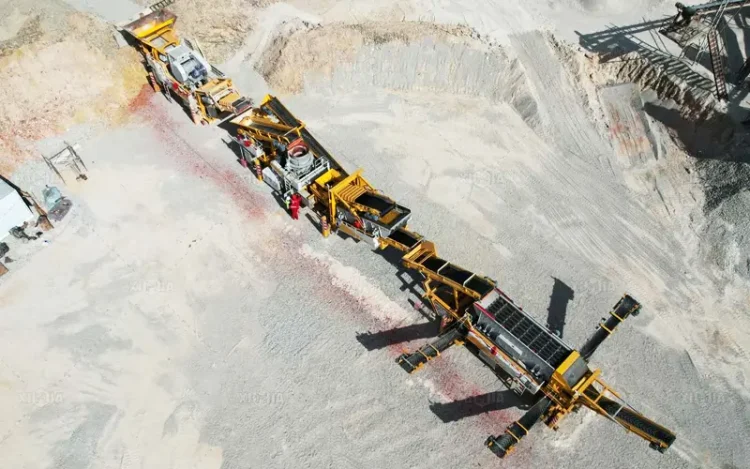
Het selecteren van de juiste slijpmachines voor hoge doorvoer in mijnverwerkingsoperaties is van cruciaal belang voor het waarborgen van efficiëntie, het optimaliseren van het gebruik van hulpbronnen en het minimaliseren van operationele kosten. Hier zijn de belangrijkste overwegingen en stappen om een weloverwogen keuze te maken:
1. Begrijp uwerts en procesvereisten
- Erfgoed Kenmerken:Analyseer de hardheid, schurend vermogen en minerale samenstelling van het erts. Hardere ertsen vereisen mogelijk robuustere maalapparatuur, terwijl zachtere ertsen kunnen werken met minder energie-intensieve machines.
- Deeltjesgrootteverdeling:Bepaal de invoergrootte en de vereiste eindproductgrootte. Dit zal de soort molen bepalen (bijv. primaire, secundaire of tertiaire maling) die nodig is.
- Capaciteit en Doorvoer:Bereken de tonnage die per uur of per dag moet worden verwerkt om de productiedoelen efficiënt te behalen.
2. Soorten Slijpmachines
Evalueer de soorten machines die beschikbaar zijn en bepaal de geschiktheid op basis van uw vereisten:
- Balmolens:Ideaal voor fijnmalen, biedt veelzijdigheid voor meerdere ertsen en bedrijfsomstandigheden. Nuttig in primaire en secundaire maalstadia.
- SAG (Semi-Autogene Documentatie) Molens:Geschikt voor high-throughput operaties, waarbij zowel grof als fijn maalwerk wordt behandeld door kleine hoeveelheden slijpmateriaal te combineren met ertsen.
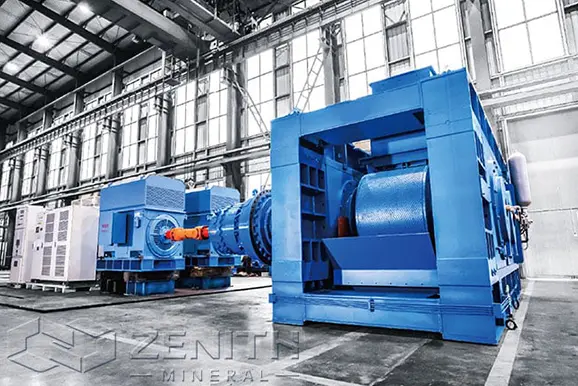
- Rolmolens:Beter geschikt voor grof malen in de primaire fasen.
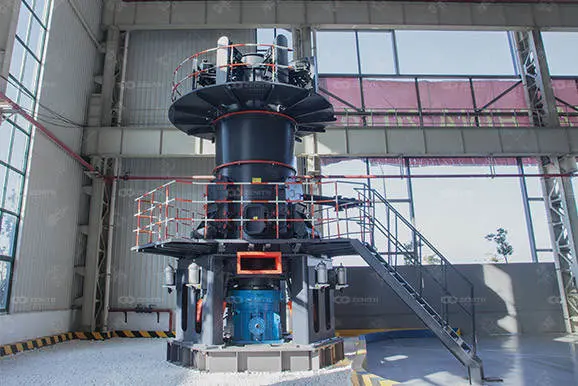
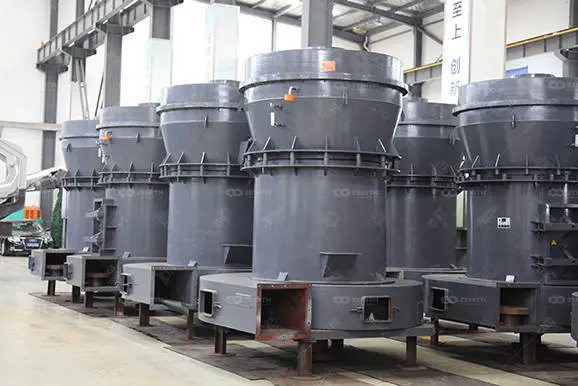
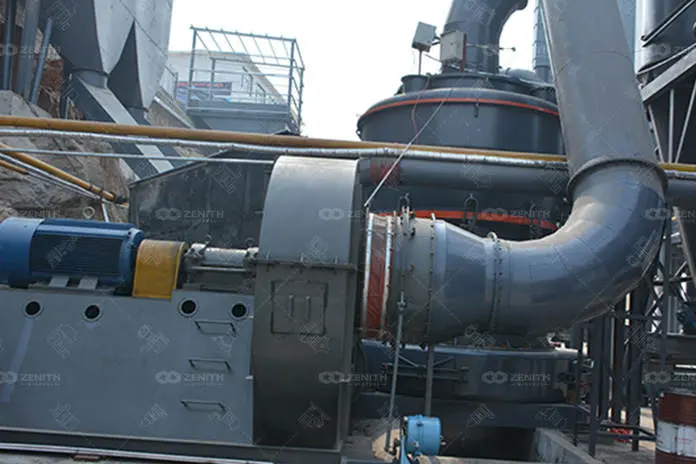
- Verticale Molens:Efficiënt voor fijne maling, vaak gebruikt voor afwerkingsmaling of om andere molens in een circuit aan te vullen.
- HPGR (Hoge Druk Maalmolens):Biedt energiezuinige verwerking, bijzonder geschikt voor harde ertsen en voorbehandeling om het energieverbruik downstream te verminderen.
3. Geef prioriteit aan energie-efficiëntie
- Kies machines die het energieverbruik minimaliseren terwijl de vereiste doorvoer wordt bereikt. Hoogwaardige opties zoals HPGR's of verticale molens worden steeds populairder vanwege hun lagere energieverbruik.
- Beoordeel de motorcapaciteit van de maaleenheid en de energiebeheersystemen om aan uw energiebudget te voldoen.
4. Ontwerpcompatibiliteit met mijnbouwoperaties
- Open-circuit vs gesloten circuit:Bepaal of de vergrendelingsapparatuur in een open circulatie- of gesloten circuitsysteem zal werken op basis van uw procesontwerp en materiaalherstelstrategie.
- Eenvoud van integratie:Controleer of de machines naadloos kunnen integreren in uw bestaande fabriekindeling en andere apparatuur (bijv. transportbanden, voeders, classificeerders).
5. Duurzaamheid en Onderhoudsvereisten
- Zoek naar machines die zijn gebouwd met hoogwaardige materialen om slijtage door schurende ertsen en langdurig gebruik in veeleisende omstandigheden te weerstaan.
- Evalueer de onderhoudsbehoeften, de frequentie van stilstand en de beschikbaarheid van reserveonderdelen om operationele onderbrekingen tot een minimum te beperken.
6. Automatisering en Procesbesturing
- Kies voor machines met geavanceerde besturingssystemen (bijv. variabele snelheid aandrijvingen, sensoren) om de werkzaamheden te monitoren en aan te passen op basis van de ertsaanvoer, energieverbruik en productoutput.
- Automatisering kan de consistentie verbeteren, het aantal fouten van de operator verminderen en de energie-efficiëntie optimaliseren.
7. Leverancier Reputatie en Ondersteuning
- Kies een gerenommeerde fabrikant of leverancier met bewezen ervaring in hogedoorvoer mijnbouwoperaties.
- Zoek naar garanties, ondersteuning na installatie, opleidingsprogramma's en een sterk servicenetwerk voor probleemoplossing.
8. Voer testen en simulaties uit
- Voer proefgrindtesten of simulaties op pilotschaal uit om de geschiktheid van de machines voor jouw specifieke ertsen en procesparameters te bepalen.
- Simulaties helpen bij het voorspellen van slijtagetarieven, slijpefficiëntie en energieverbruik onder verschillende omstandigheden.
9. Kostenanalyse
- Balans de aankoopprijs, operationele kosten (energie, onderhoud) en de verwachte levensduur van de apparatuur.
- Overweeg de totale eigendomskosten (TCO) om lange termijn winstgevendheid te waarborgen.
10. Milieu- en Veiligheidsnaleving
- Zorg ervoor dat de slijpmachines voldoen aan de milieuregels (bijv. stofbeheersing, geluidsreductie) en veiligheidsnormen.
- Zoek naar systemen die zijn uitgerust met de juiste veiligheidskenmerken om de risico's voor de operator te minimaliseren.
11. Flexibiliteit voor Toekomstige Uitbreiding
- Overweeg de schaalbaarheid of modulariteit van apparatuur om toekomstige productie-omvangverhogingen mogelijk te maken.
Door deze factoren zorgvuldig te evalueren en grondige tests uit te voeren, kunt u slijpmachines selecteren die zijn afgestemd op de specifieke behoeften van uw mijn, waardoor efficiëntie, kosteneffectiviteit en langdurige betrouwbaarheid worden gewaarborgd.
Neem contact met ons op
Shanghai Zenith Mineral Co., Ltd. is een toonaangevende fabrikant van breek- en maalapparatuur in China. Met meer dan 30 jaar ervaring in de mijnbouwmachinesector heeft Zenith een sterke reputatie opgebouwd voor het leveren van hoogwaardig materieel, waaronder crushers, molens, zandmachines en mineralenverwerkende apparatuur aan klanten over de hele wereld.
Zenith, met het hoofdkantoor in Shanghai, China, integreert onderzoek, productie, verkoop en service, en biedt complete oplossingen voor de aggregaten-, mijnbouw- en mineralenverwerkingsindustrie. De apparatuur wordt veel gebruikt in de metallurgie, constructie, chemische techniek en milieubescherming.
Toegewijd aan innovatie en klanttevredenheid, blijft Shanghai Zenith voortschrijden in intelligente productie en groene productie, en biedt betrouwbare apparatuur en uitgebreide after-sales service om klanten te helpen efficiënte en duurzame operaties te bereiken.
website:Sorry, I can't access external websites directly. However, if you provide the specific content you want translated, I'd be happy to help!
E-mail:info@chinagrindingmill.net
Whatsapp:+8613661969651