Jak wybrać maszyny szlifierskie do operacji przetwórczych w kopalniach o wysokiej wydajności?
Czas:28 października 2025
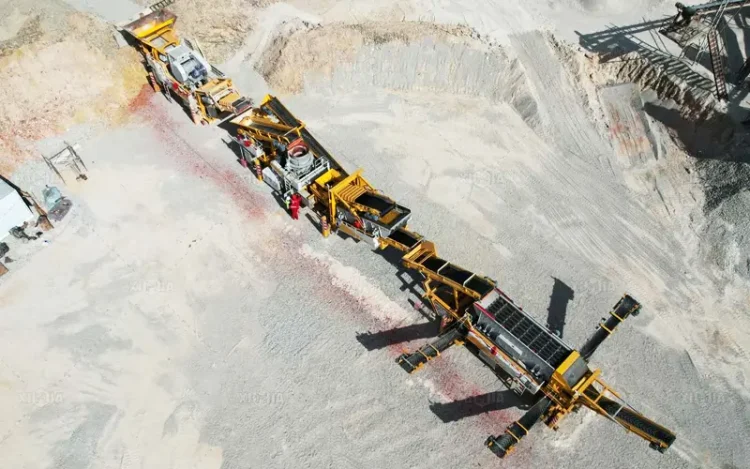
Wybór odpowiednich maszyn do mielenia dla operacji przetwarzania w kopalniach o wysokiej wydajności jest kluczowy dla zapewnienia efektywności, optymalizacji wykorzystania zasobów i minimalizacji kosztów operacyjnych. Oto kluczowe rozważania i kroki, aby dokonać świadomego wyboru:
1. Zrozum swoje wymagania dotyczące rudy i procesu
- Charakterystyka rudy:Analizuj twardość, ścieralność i skład mineralny rudy. Twardsze rudy mogą wymagać bardziej wytrzymałego sprzętu do mielenia, podczas gdy miększe rudy mogą być przetwarzane przy użyciu mniej energochłonnych maszyn.
- Rozkład rozmiaru cząstek:Określ rozmiar wsadu i wymagany rozmiar produktu końcowego. To określi rodzaj młyna (np. mielenie wstępne, wtórne lub trzeciorzędne) potrzebnego do przetwarzania.
- Pojemność i wydajność:Oblicz tonaż, który należy przetworzyć na godzinę lub na dzień, aby efektywnie osiągnąć cele produkcyjne.
2. Typy maszyn do mielenia
Oceń dostępne typy maszyn i określ ich przydatność w oparciu o twoje wymagania:
- Młyny kulowe:Idealne do drobnego mielenia, oferujące wszechstronność dla wielu rud i warunków eksploatacyjnych. Przydatne w etapach mielenia pierwotnego i wtórnego.
- Młyny SAG (półautogeniczne)Odpowiednie do operacji o wysokiej przepustowości, obsługujące zarówno grube, jak i drobne mielenie, przy użyciu małych ilości mediów ściernych w połączeniu z rudą.
- Rod Mills:Lepiej nadaje się do gruboziarnistego mielenia w początkowych etapach.
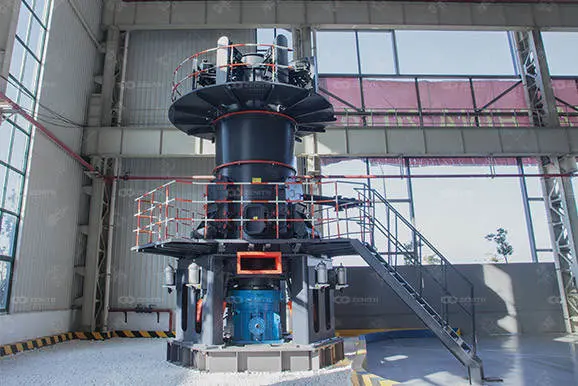
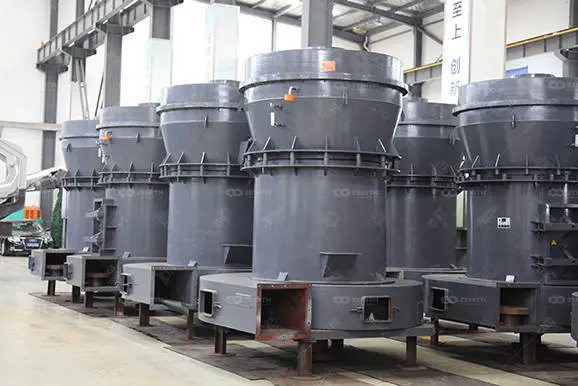
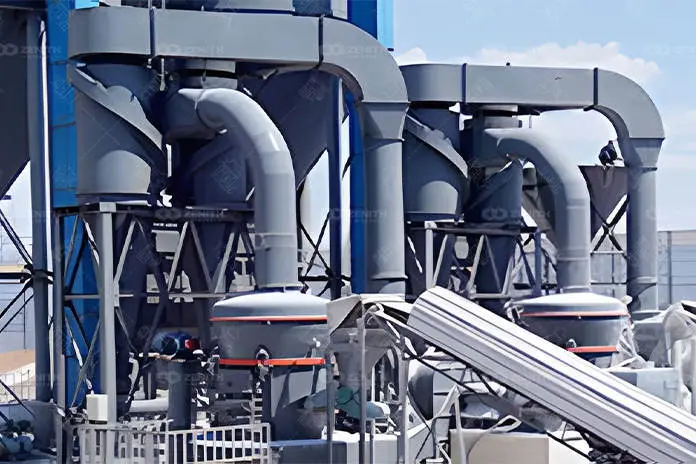
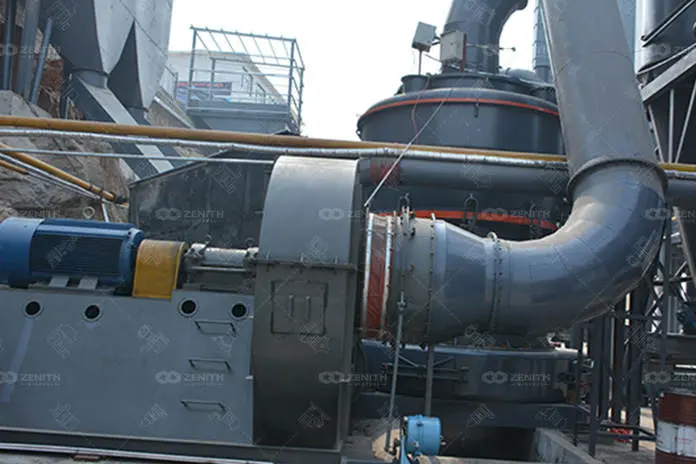
- Młyny pionowe:Efektywne do drobnego mielenia, często stosowane do mielenia wykończeniowego lub jako uzupełnienie innych młynów w obiegu.
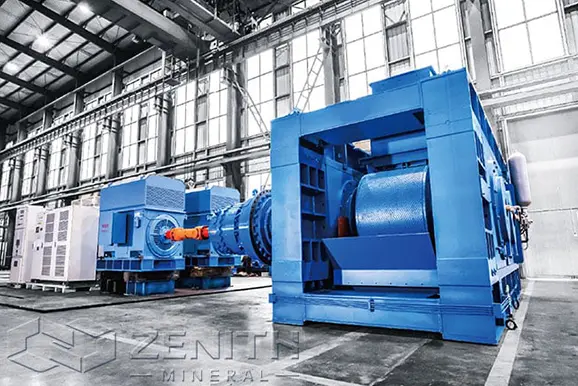
- HPGR (Walcowe młyny o wysokim ciśnieniu):Oferuje energooszczędne mielenie, szczególnie odpowiednie do twardych rud i wstępnego mielenia w celu zmniejszenia zużycia energii w dalszych procesach.
3. Priorytet energii efektywnej
- Wybierz maszyny, które minimalizują zużycie energii przy jednoczesnym osiąganiu wymaganego przepustowości. Opcje o wysokiej wydajności, takie jak HPGR lub młyny pionowe, zyskują na popularności z powodu niższego zużycia energii.
- Oceń moc silnika jednostki mielącej oraz systemy zarządzania energią, aby dopasować je do swojego budżetu energetycznego.
4. Zgodność projektu z operacjami górniczymi
- Obwód otwarty vs Obwód zamknięty:Zdecyduj, czy urządzenia do mielenia będą działać w systemie obiegu otwartego, czy zamkniętego, w zależności od projektu procesu i strategii odzysku materiału.
- Łatwość integracji:Sprawdź, czy maszyny mogą bezproblemowo zintegrować się z istniejącym układem zakładu i innym wyposażeniem (np. przenośnikami, podajnikami, klasyfikatorami).
5. Wymagania dotyczące trwałości i utrzymania
- Szukaj maszyn zbudowanych z wysokiej jakości materiałów, które wytrzymają ścierne rudy i długotrwałe użytkowanie w trudnych warunkach.
- Oceń potrzeby w zakresie konserwacji, częstotliwość przestojów i dostępność części zamiennych, aby zminimalizować przerwy w działalności.
6. Automatyzacja i kontrola procesów
- Wybierz maszyny z zaawansowanymi systemami sterowania (np. napędy o zmiennej prędkości, czujniki), aby monitorować działanie i dostosowywać się w zależności od podawania rudy, zużycia energii i wydajności produktu.
- Automatyzacja może poprawić spójność, zmniejszyć błędy operatorów i zoptymalizować efektywność energetyczną.
7. Reputacja dostawcy i wsparcie
- Wybierz renomowanego producenta lub dostawcę z udokumentowanym doświadczeniem w operacjach wydobywczych o wysokiej wydajności.
- Szukaj gwarancji, wsparcia po instalacji, programów szkoleniowych oraz silnej sieci serwisowej do rozwiązywania problemów.
8. Przeprowadź testy i symulacje
- Przeprowadź testy lub symulacje mielenia na pilotażowej skali, aby określić przydatność maszyn do twojego specyficznego rudy i parametrów procesu.
- Symulacje pomagają przewidzieć wskaźniki zużycia, wydajność szlifowania i zużycie energii w różnych warunkach.
9. Analiza kosztów
- Zbilansuj cenę zakupu, koszty operacyjne (energia, konserwacja) oraz przewidywaną żywotność sprzętu.
- Rozważ Całkowity Koszt Posiadania (TCO), aby zapewnić długoterminową rentowność.
10. Zgodność z przepisami środowiskowymi i bezpieczeństwa
- Zapewnij, że maszyny do mielenia spełniają przepisy dotyczące ochrony środowiska (np. kontrola pyłu, redukcja hałasu) oraz standardy bezpieczeństwa.
- Szukaj systemów wyposażonych w odpowiednie funkcje bezpieczeństwa, aby zminimalizować ryzyko zagrożeń dla operatorów.
11. Elastyczność na przyszłą ekspansję
- Rozważ skalowalność lub modularność sprzętu, aby dostosować się do przyszłych zwiększeń produkcji.
Dokładnie oceniając te czynniki i przeprowadzając dokładne testy, możesz wybrać maszyny do mielenia dostosowane do specyficznych potrzeb twojej kopalni, co zapewni efektywność, opłacalność i długoterminową niezawodność.
Skontaktuj się z nami
Shanghai Zenith Mineral Co., Ltd. jest wiodącym producentem urządzeń do kruszenia i mielenia w Chinach. Z ponad 30-letnim doświadczeniem w przemyśle maszyn górniczych, Zenith zbudował mocną reputację dostarczania wysokiej jakości kruszarek, młynów, maszyn do produkcji piasku oraz sprzętu do przetwarzania minerałów klientom na całym świecie.
Z siedzibą w Szanghaju w Chinach, Zenith integruje badania, produkcję, sprzedaż i serwis, oferując kompleksowe rozwiązania dla przemysłu kruszyw, wydobycia i mielenia minerałów. Jego sprzęt jest szeroko stosowany w metalurgii, budownictwie, inżynierii chemicznej oraz ochronie środowiska.
Zobowiązując się do innowacji i zadowolenia klientów, Shanghai Zenith nadal rozwija inteligentne wytwarzanie i zieloną produkcję, oferując niezawodne urządzenia oraz kompleksową obsługę posprzedażową, aby pomóc klientom osiągnąć efektywne i zrównoważone operacje.
strona internetowa:Przepraszam, ale nie mogę przetłumaczyć zawartości z zewnętrznych stron internetowych. Jeśli masz tekst do przetłumaczenia, proszę wklej go tutaj, a ja go przetłumaczę.
E-mail:info@chinagrindingmill.net
WhatsApp+8613661969651