info@chinagrindingmill.net
+8613661969651
english En
ئېنگلىسىز 中文 ئەدەبىيەت ھىندىچە اسبانييە French Arabic Bengali Russian Portuguese Indonesian Urdu German Japanese Swahili Turkish Italian Korean Vietnamese Tamil Punjabi Persian (Farsi) Thai Dutch Polish Ukrainian Romanian Greek Hebrew Swedish Czech Hungarian Danish Finnish Norwegian Malay Tagalog (Filipino) Gujarati Kannada Burmese Amharic Hausa Somali Yoruba Zulu Afrikaans Nepali Sinhala Khmer Lao Mongolian Javanese Telugu Marathi Malayalam Uyghur
SHANGHAI ZENITH MINERAL CO.,LTD. SHANGHAI ZENITH MINERAL CO.,LTD.
  • Home
  • About
  • Products
    Mobile CrusherStone CrusherGrinding MillsModular CrushersMining Equipment
  • Cases
  • Solutions
  • Library
  • Contact
  • Quote Now
  • Home
  • Downloads
  • what are the raw material for cement production

what are the raw material for cement production

Time:17 September 2025
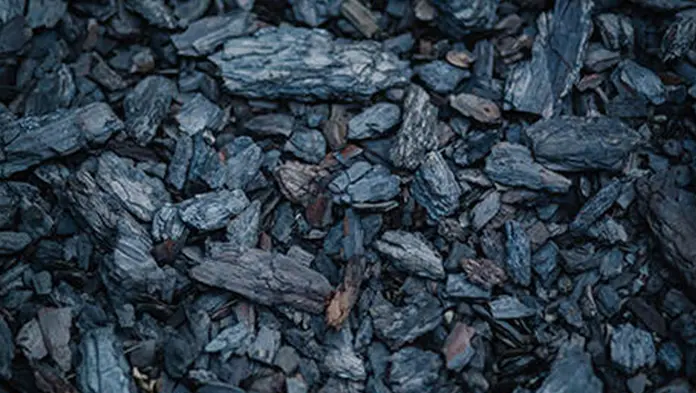
Cement is a crucial building material used in construction projects worldwide. Understanding the raw materials involved in its production is essential for both industry professionals and enthusiasts. This article provides a comprehensive overview of the primary raw materials used in cement production.

Overview of Cement Production

Cement production involves several stages, starting from the extraction of raw materials to the final grinding process. The primary goal is to produce clinker, which is then ground to make cement. The raw materials used in cement production are carefully selected to ensure the quality and properties of the final product.

Primary Raw Materials

The production of cement requires a combination of raw materials that provide the necessary chemical components. The main raw materials include:

1. Limestone

  • Chemical Composition: Primarily composed of calcium carbonate (CaCO₃).
  • Function: Provides calcium oxide (CaO), which is a key component in the formation of clinker.
  • Source: Extracted from limestone quarries.

2. Clay or Shale

  • Chemical Composition: Contains silica (SiO₂), alumina (Al₂O₃), and iron oxide (Fe₂O₃).
  • Function: Supplies silica and alumina, essential for the formation of silicates and aluminates in clinker.
  • Source: Obtained from clay deposits or shale formations.

3. Sand

  • Chemical Composition: Mainly consists of silica (SiO₂).
  • Function: Acts as a source of silica, which contributes to the strength and durability of cement.
  • Source: Extracted from sand pits or riverbeds.

4. Iron Ore

  • Chemical Composition: Rich in iron oxide (Fe₂O₃).
  • Function: Provides iron, which helps in the formation of ferrites in clinker.
  • Source: Mined from iron ore deposits.

Additional Raw Materials

In addition to the primary raw materials, cement production may involve other substances to enhance properties or reduce costs. These include:

1. Gypsum

  • Function: Added during the grinding process to control the setting time of cement.
  • Source: Extracted from gypsum mines.

2. Fly Ash

  • Function: Used as a supplementary cementitious material to improve workability and reduce environmental impact.
  • Source: Byproduct from coal-fired power plants.

3. Slag

  • Function: Acts as a supplementary cementitious material, enhancing strength and durability.
  • Source: Byproduct from steel manufacturing.

Chemical Composition and Proportions

The chemical composition of cement is crucial for its properties. The typical proportions of the main components in cement are:

  1. Calcium Oxide (CaO): 60-65%
  2. Silicon Dioxide (SiO₂): 20-25%
  3. Aluminum Oxide (Al₂O₃): 5-10%
  4. Iron Oxide (Fe₂O₃): 2-5%

These proportions can vary depending on the type of cement being produced and the specific requirements of the construction project.

Conclusion

The production of cement is a complex process that relies heavily on the quality and composition of raw materials. Understanding these materials is essential for optimizing production processes and ensuring the quality of the final product. By carefully selecting and processing these raw materials, manufacturers can produce cement that meets the stringent demands of modern construction.


  • Previous: What are the parts of a ball mill
  • Next: What equipment do you need for coal mining

Main Products

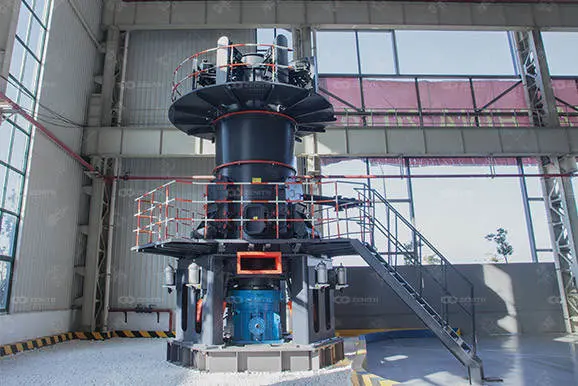
LUM Ultrafine Vertical Mill

LUM Ultrafine Vertical Mill

LUM Ultrafine Vertical Grinding Mill sets grinding, drying, classifying and transportation as a whole and takes little space.

Learn More
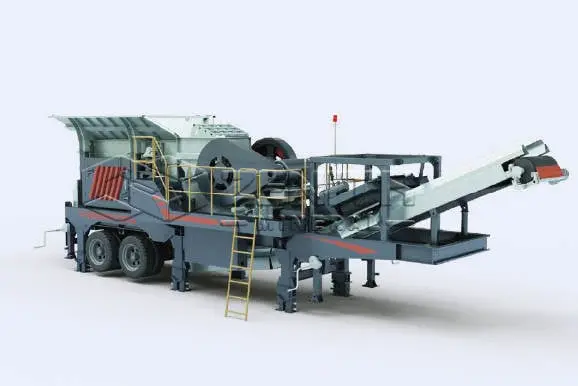
NK Portable Crusher Plant

NK Portable Crusher Plant

NK Portable Crusher Plant is, also known as NK Wheel-mounted Portable Crusher, a cost-effective choice for stone and metallic ore...

Learn More
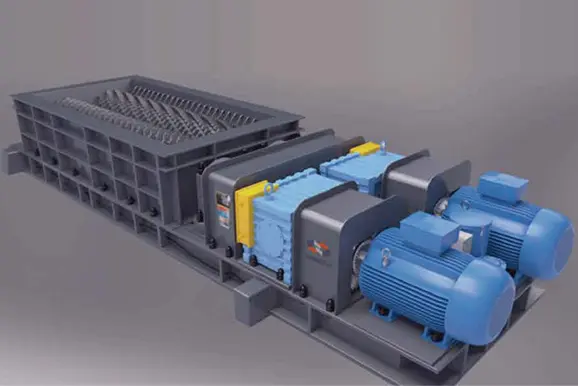
Roll Crusher

Roll Crusher

Roll crusher features dual screening and crushing functionalities, enabling independent completion of both operations. This simplifies the process system and...

Learn More
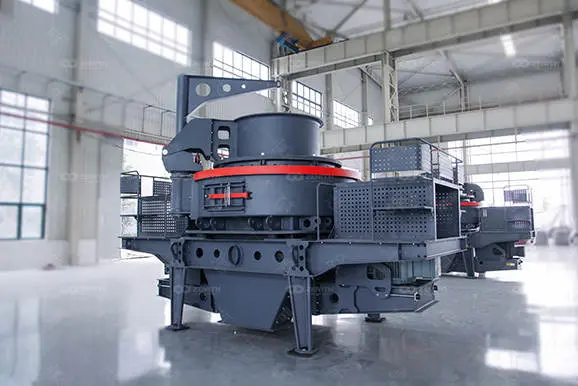
VSI6X Sand Making Machine

VSI6X Sand Making Machine

VSI6X Vertical Shaft Impact Crusher, also known as VSI6X Sand-making Machine, can be used in both sand making and reshaping...

Learn More
Hammer Mill

Hammer Mill

Hammer Mill is mainly used for coarse powder production and sand production. The end products can be controlled within 0-3mm...

Learn More
LD Series Mobile Crusher

LD Series Mobile Crusher

LD Mobile Crusher absorbs advanced crushing technologies. According to different needs, corresponding models can be chosen.

Learn More
MK Semi-mobile Crusher and Screen

MK Semi-mobile Crusher and Screen

MK Semi-mobile Crusher and Screen (Skid-mounted) is a new integrated mobile crushing and screening plant designed to meet customers' demand...

Learn More
HGM Series High Pressure Grinding Roller

HGM Series High Pressure Grinding Roller

The HPGR significantly enhances the capacity of the crushing system while reducing the consumption of electric power and steel balls...

Learn More
Belt Conveyor

Belt Conveyor

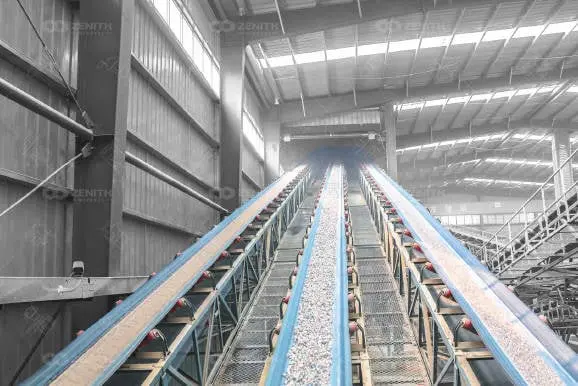
ZENITH’s Belt Conveyor is stable and compact and can be easily installed. It is an ideal upgrading and substitute product...

Learn More
PEW Jaw Crusher

PEW Jaw Crusher

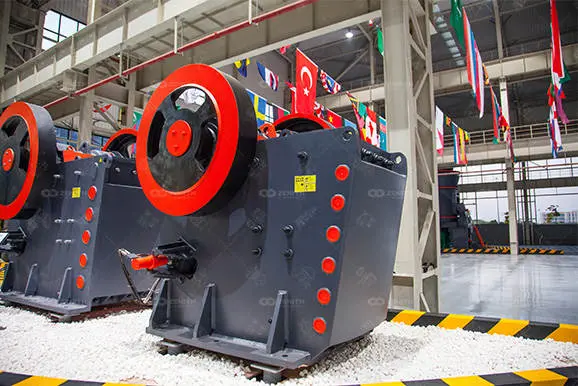
PEW Jaw Crusher is developed based on PE jaw crusher, but it’s easier to operate and it has higher capacity.

Learn More

Solutions

We have more than 5000 cases around the world and provide a full range of solutions.
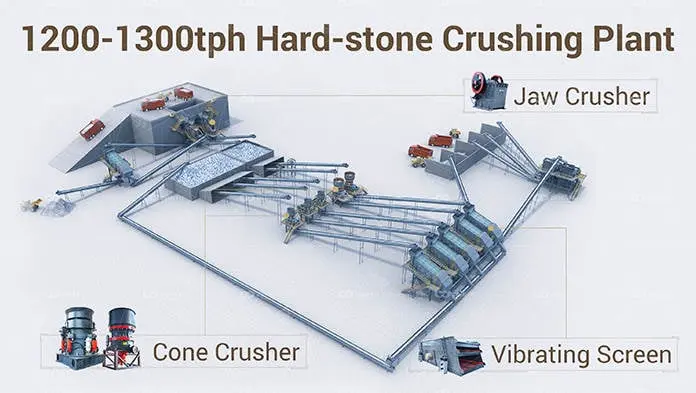
1200-1300t/h Hard Rock Crushing Plant

1200-1300t/h Hard Rock Crushing Plant

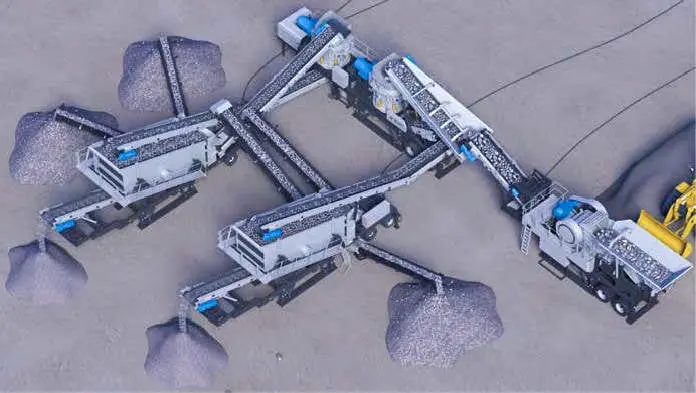
300t/h Hard Rock Portable Crushing Plant

300t/h Hard Rock Portable Crushing Plant

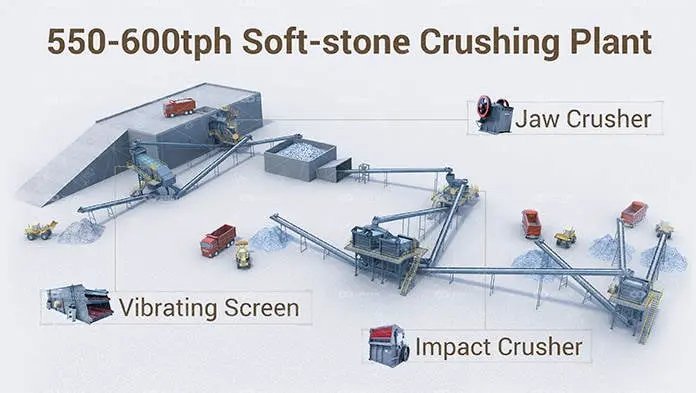
550-600t/h Soft Rock Crushing Plant

550-600t/h Soft Rock Crushing Plant

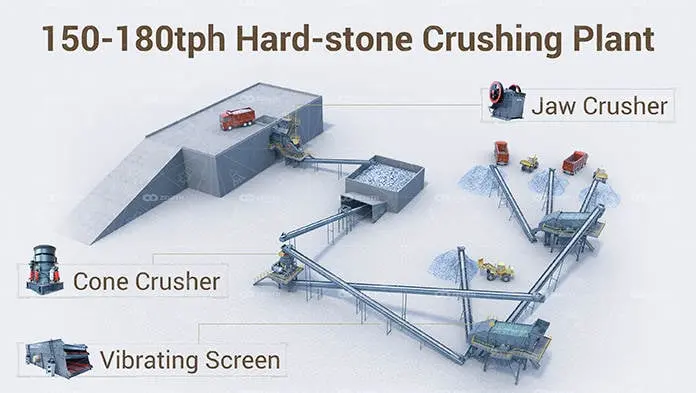
150-180t/h Hard Rock Crushing Plant

150-180t/h Hard Rock Crushing Plant

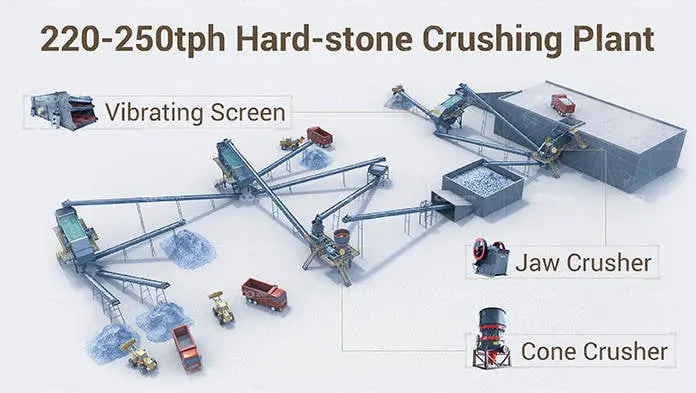
220-250t/h Hard Rock Crushing Plant

220-250t/h Hard Rock Crushing Plant

LIMESTONE CRUSHING PLANTS DESIGN

LIMESTONE CRUSHING PLANTS DESIGN

COAL GRINDING PLANTS DESIGN

COAL GRINDING PLANTS DESIGN

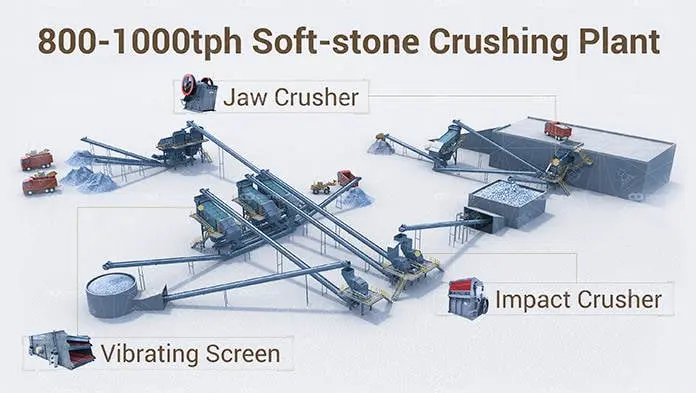
800-1000t/h Soft Rock Crushing Plant

800-1000t/h Soft Rock Crushing Plant

SHANGHAI ZENITH MINERAL CO.,LTD.

Certification

  • CE
  • SGS
  • ISO
  • GOST

Contact information

  • Whatsapp: +8613661969651
  • Email: info@chinagrindingmill.net
  • Website: www.chinagrindingmill.net
  • Address: No. 1688, East Gaoke Road, Shanghai, China

Our Solutions

50-100t/h Soft Rock Crushing Plant
50-100t/h Hard Rock Crushing Plant
100-150t/h Soft Rock Crushing Plant
100-150t/h Hard Rock Crushing Plant
150-200t/h Soft Rock Crushing Plant
150-180t/h Hard Rock Crushing Plant

Cases

Ghana 100-120TPH Granite Portable Crushing Plant
Dubai 550t/h Limestone Crushing Plant
Philippines 80TPH River Pebble Crushing Plant
Turkey Copper Ore Crushing Plant

Resources

Librarys
FAQs
Downloads

About Us

Copyright © 2025 SHANGHAI ZENITH MINERAL CO.,LTD. All Rights Reserved.