Concrete is a fundamental building material used worldwide. Traditionally, sand is a key component in concrete mixtures, but due to environmental concerns and resource scarcity, alternatives are being explored. This article delves into the materials used as substitutes for sand in concrete.
The construction industry is increasingly seeking sustainable alternatives to traditional materials. Sand, a primary ingredient in concrete, is becoming scarce due to over-extraction and environmental regulations. As a result, researchers and engineers are exploring various materials to replace sand in concrete mixtures.
Several materials have been identified as potential substitutes for sand in concrete. These alternatives not only address environmental concerns but also offer unique properties that can enhance concrete performance.
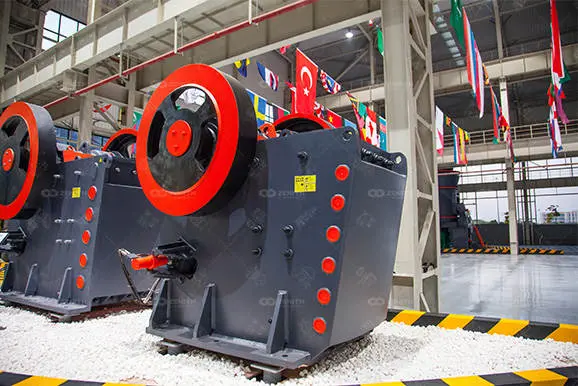
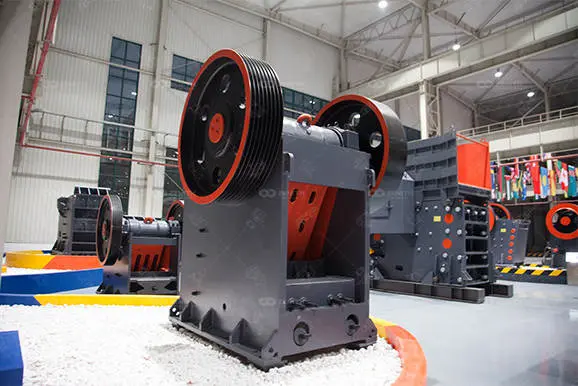
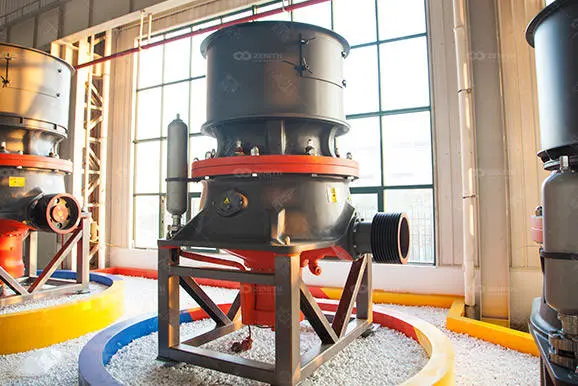
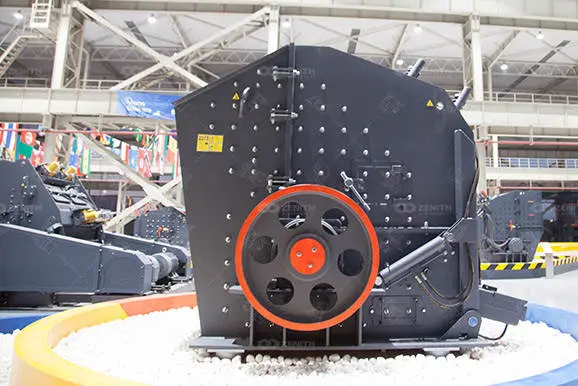
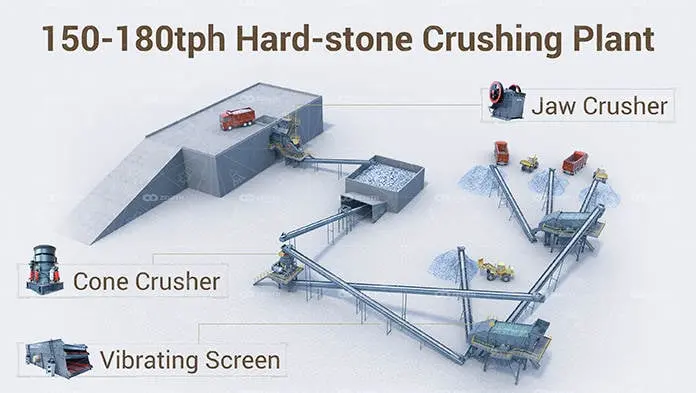
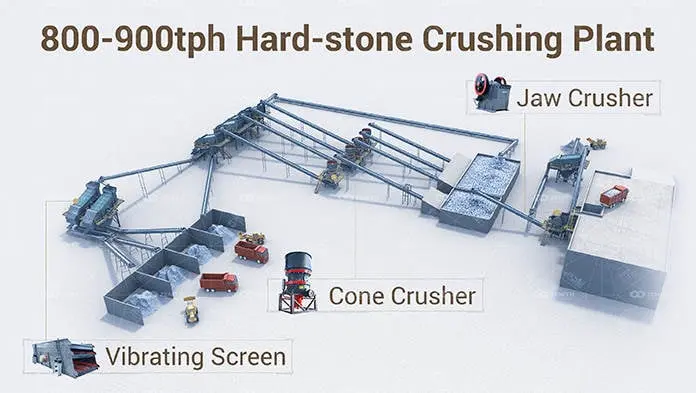
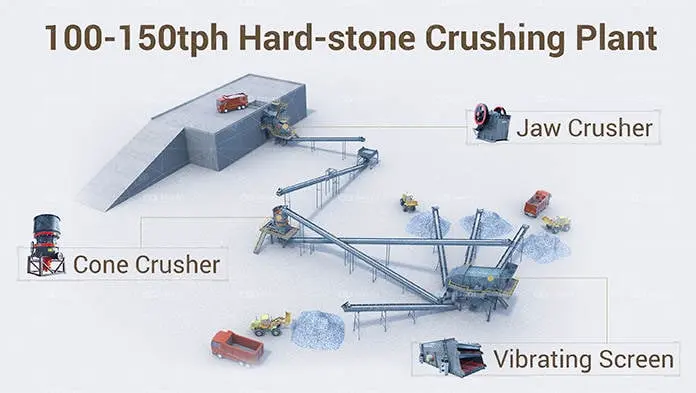
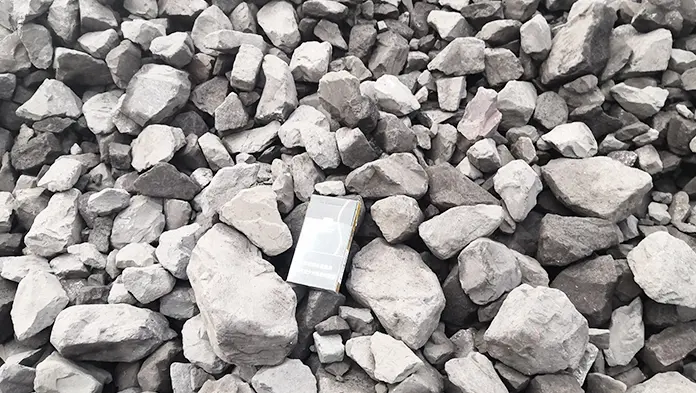
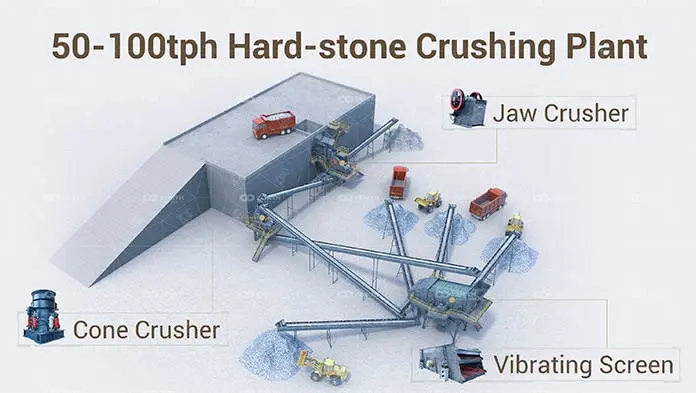
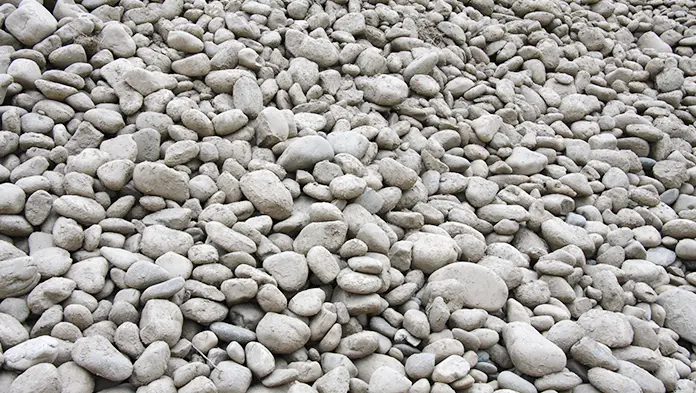
Crushed stone is one of the most common alternatives to sand in concrete. It is produced by crushing rocks, such as granite, limestone, or basalt.
– High compressive strength
– Good durability
– Abundant availability
– Higher transportation costs
– Potential for increased wear on mixing equipment
Recycled concrete aggregate is made from demolished concrete structures. It is processed to remove contaminants and then crushed to the desired size.
– Reduces waste and environmental impact
– Cost-effective
– Comparable strength to traditional concrete
– Variability in quality
– Potential contamination issues
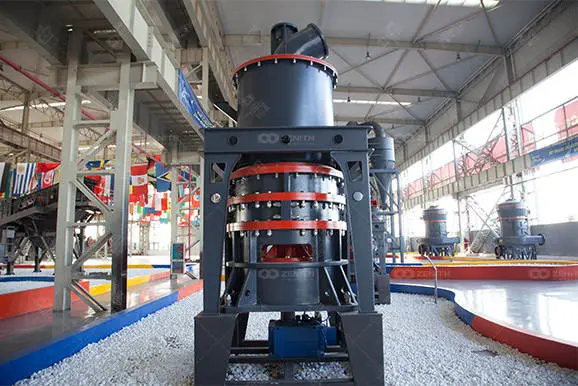
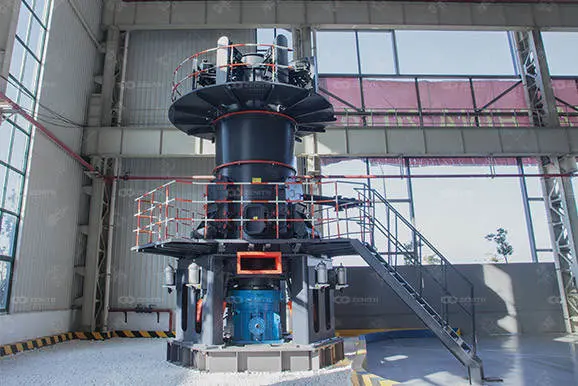
Manufactured sand is produced by crushing rock to create particles similar in size to natural sand.
– Consistent quality and grading
– Less environmental impact compared to natural sand extraction
– Requires careful processing to ensure quality
– May contain microfines affecting concrete properties
Slag sand is a byproduct of steel manufacturing, specifically from blast furnace slag.
– High durability
– Good workability
– Reduces industrial waste
– Limited availability in certain regions
– Potential variability in chemical composition
Bottom ash is a byproduct of coal combustion in power plants. It can be used as a sand substitute in concrete.
– Utilizes industrial waste
– Cost-effective
– Lower strength compared to natural sand
– Potential environmental concerns
Crushed glass can be used as an alternative to sand in concrete. It is made from recycled glass bottles and containers.
– Enhances aesthetic appeal
– Good durability
– Utilizes recycled materials
– Potential for alkali-silica reaction
– Requires careful handling to avoid sharp edges
The search for alternatives to sand in concrete is driven by environmental, economic, and resource scarcity concerns. Each material offers unique benefits and challenges, and the choice depends on specific project requirements, availability, and desired properties. As the construction industry continues to innovate, these alternatives will play a crucial role in sustainable building practices.
By embracing these alternatives, the construction industry can contribute to a more sustainable future while maintaining the structural integrity and performance of concrete.