Hoe verwerkt een asfaltverwerkingsinstallatie materialen tot gerecycled beton?
Tijd:31 mei 2021
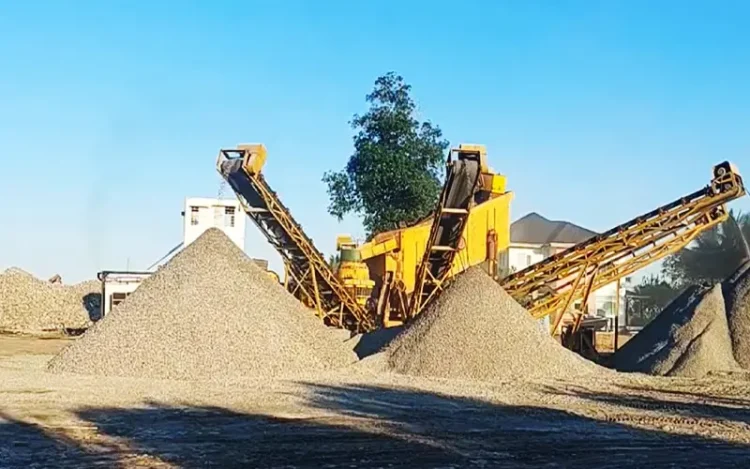
Een asfaltverwerkingsinstallatie verwerkt materialen tot gerecycled beton door gebruik te maken van gespecialiseerde apparatuur en een reeks zorgvuldig uitgevoerde stappen. Hier is hoe het proces werkt:
1.Materiaal Inname
- Het proces begint met het ontvangen van hergebruikt asfaltverharding (RAP), betonafval of sloopmateriaal. Deze materialen omvatten meestal stukken asfalt, beton en aggregaten.
2.Initiële Sortering en Voorverwerking
- Groot afval, verontreinigingen (zoals metaal, hout of afval) en oversized materialen worden verwijderd met behulp van handmatige sortering of mechanische zeefsystemen.
- Magnetische scheiders of andere hulpmiddelen kunnen worden gebruikt om wapeningsstaal en andere metalen componenten uit beton te verwijderen.
3.Verpletteren
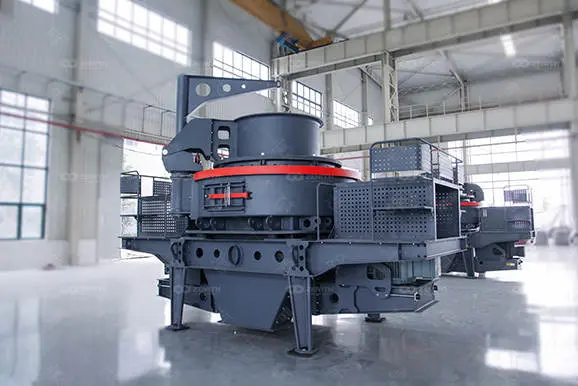
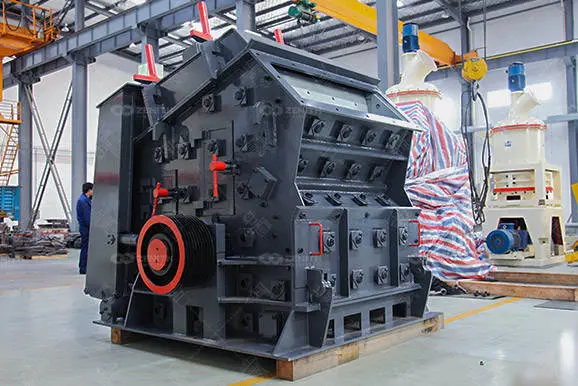
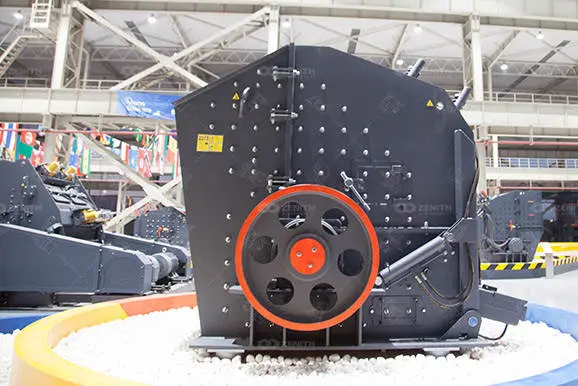
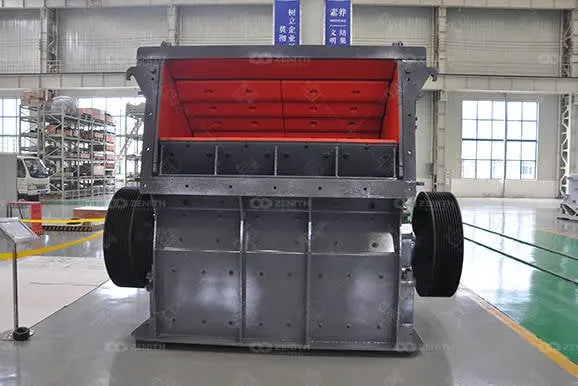
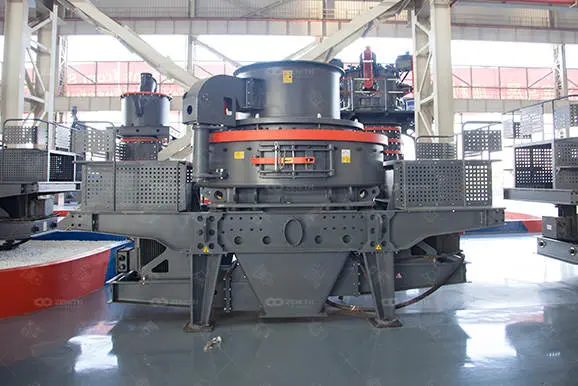
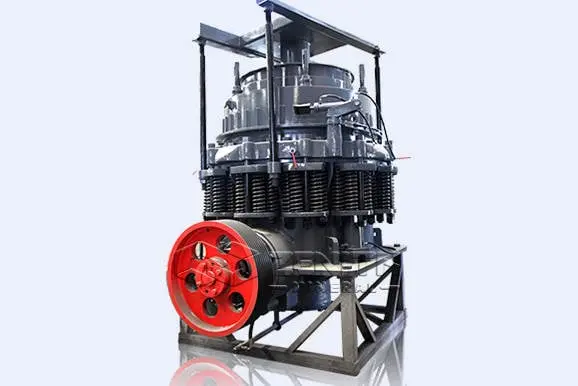
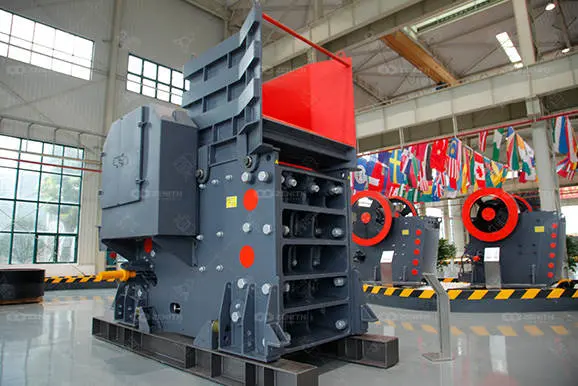
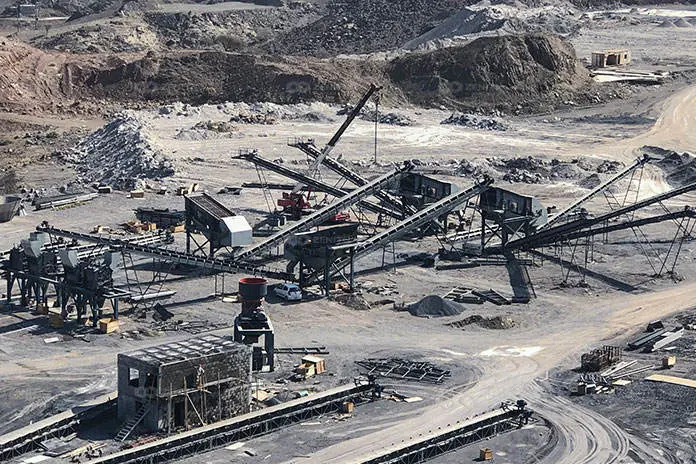
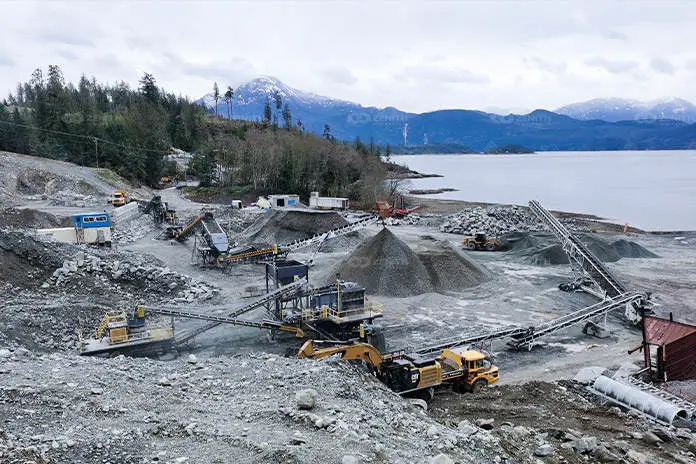
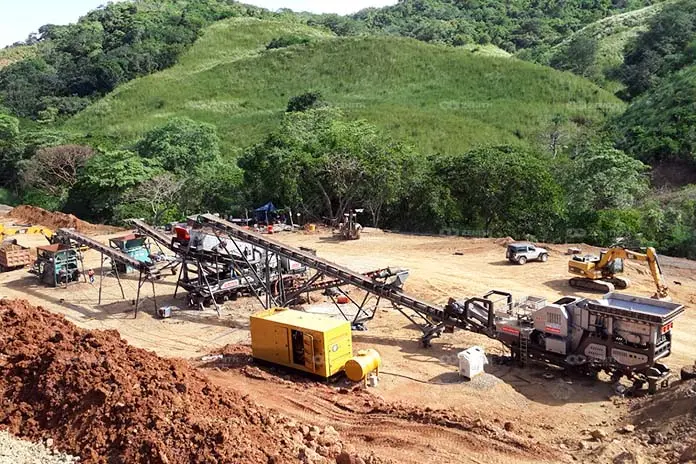
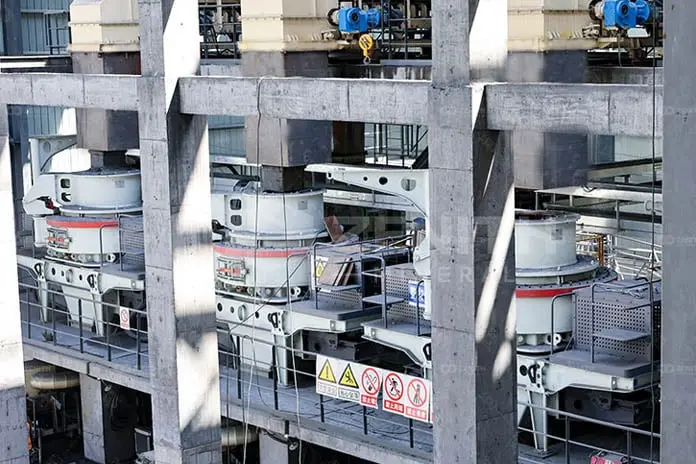
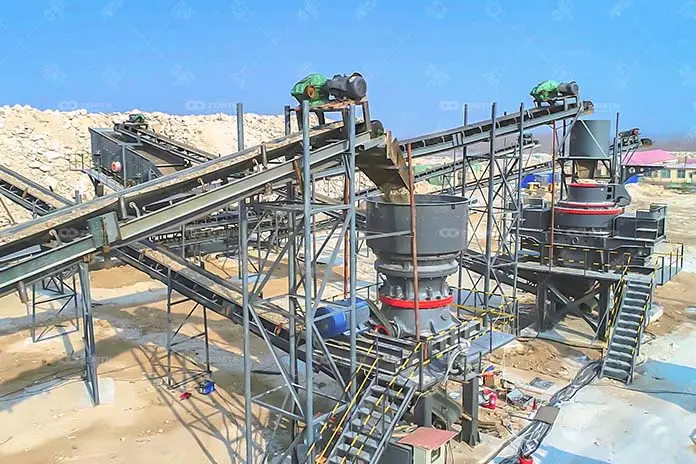
- De materialen worden in de asfaltverwerkingsinstallatie gevoerd, die doorgaans bestaat uit kegelbrekers, jawbrekers of impactbrekers. Deze machines breken het asfalt en beton af in kleinere, hanteerbare stukken.
- Motoren zijn ontworpen om harde, dichte materialen efficiënt te vergruizen, terwijl de kwaliteit van het aggregaat behouden blijft.
4.Screening
- Na de primaire ver crushing wordt het materiaal via vibrerende of roterende zeefjes gestuurd om fijnere deeltjes van grotere stukken te scheiden. Deze stap zorgt voor consistente, gecategoriseerde maten van gerecycleerde aggregaten.
- Overmaatse materialen kunnen teruggestuurd worden via de crusher voor verdere verwerking.
5.Maten en Graden
- Het verkruimde materiaal wordt verfijnd tot specifieke maten die ideaal zijn voor hergebruik in bouwtoepassingen, variërend van fijne deeltjes tot grotere korrels.
- Grading zorgt ervoor dat het gerecyclede beton voldoet aan kwaliteitsnormen voor toepassingen zoals wegfundamenten, vulmiddelen of nieuwe asfaltmengsels.
6.Optioneel Wassen
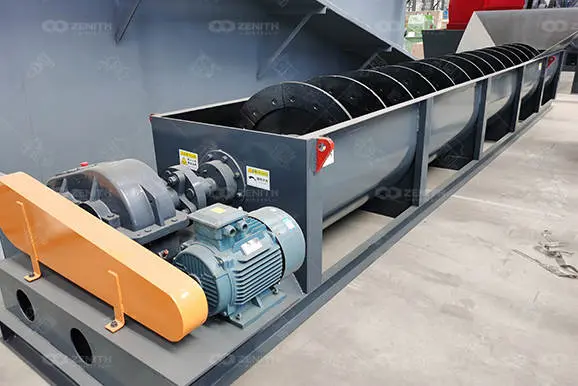
- Sommige faciliteiten beschikken over wasstations om stof en vuil van de gerecycleerde aggregaten te verwijderen. Dit verbetert de kwaliteit en compatibiliteit van het gerecycleerde materiaal.
7.Mixen en Blenden
- In veel gevallen worden de gerecycleerde aggregaten gemengd met primaire materialen of additieven om te voldoen aan specifieke bouwvereisten, zoals sterkte, duurzaamheid of flexibiliteit.
8.Opslag en Distributie
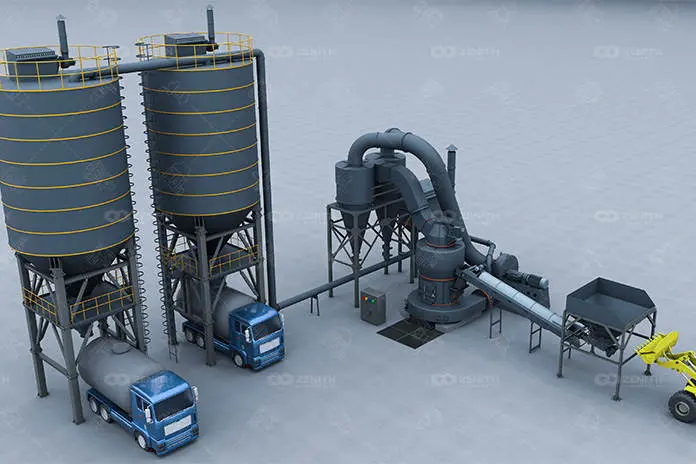
- De verwerkte gerecycleerde beton en asfalt worden opgeslagen in silo's of op stapels voor distributie naar bouwplaatsen. Ze worden vaak hergebruikt als funderingsmateriaal voor wegen, parkeerplaatsen of voor de productie van nieuw asfalt.
Voordelen van het Recyclen van Asfalt en Beton:
- Vermindert bouwafval en de volumes op stortplaatsen.
- Minimaliseert de impact op het milieu door het behoud van nieuwe materialen.
- Bespaart geld door bestaande materialen opnieuw te gebruiken.
- Verbetert de duurzaamheid in infrastructurele projecten.
Door asfalt- en betonafval te verwerken tot bruikbare gerecycleerde materialen, spelen asfaltbreekinstallaties een cruciale rol in het bevorderen van milieuvriendelijke bouwpraktijken.
Neem contact met ons op
Shanghai Zenith Mineral Co., Ltd. is een toonaangevende fabrikant van breek- en maalapparatuur in China. Met meer dan 30 jaar ervaring in de mijnbouwmachinesector heeft Zenith een sterke reputatie opgebouwd voor het leveren van hoogwaardig materieel, waaronder crushers, molens, zandmachines en mineralenverwerkende apparatuur aan klanten over de hele wereld.
Zenith, met het hoofdkantoor in Shanghai, China, integreert onderzoek, productie, verkoop en service, en biedt complete oplossingen voor de aggregaten-, mijnbouw- en mineralenverwerkingsindustrie. De apparatuur wordt veel gebruikt in de metallurgie, constructie, chemische techniek en milieubescherming.
Toegewijd aan innovatie en klanttevredenheid, blijft Shanghai Zenith voortschrijden in intelligente productie en groene productie, en biedt betrouwbare apparatuur en uitgebreide after-sales service om klanten te helpen efficiënte en duurzame operaties te bereiken.
website:Sorry, I can't access external websites directly. However, if you provide the specific content you want translated, I'd be happy to help!
E-mail:info@chinagrindingmill.net
Whatsapp:+8613661969651