Jak działa zakład kruszenia asfaltu, przetwarzając materiały na recyklingowy beton?
Czas:31 maja 2021
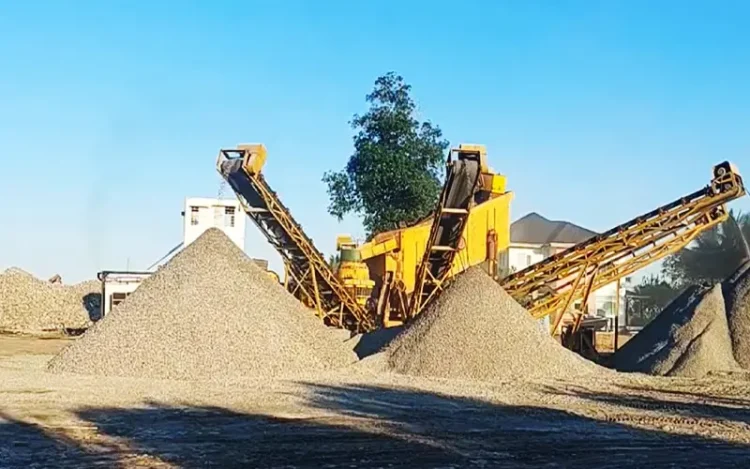
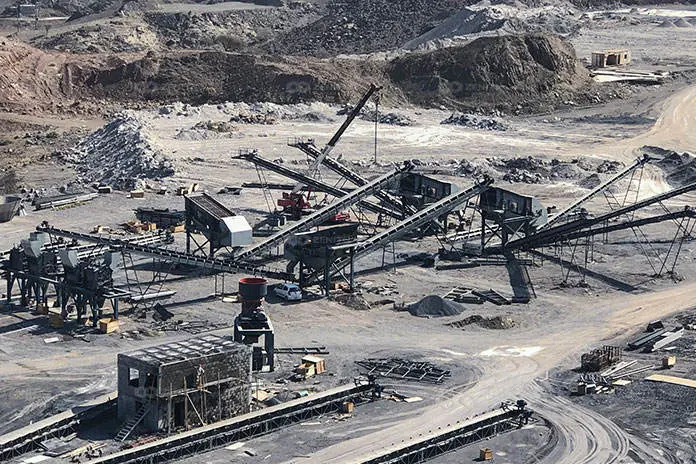
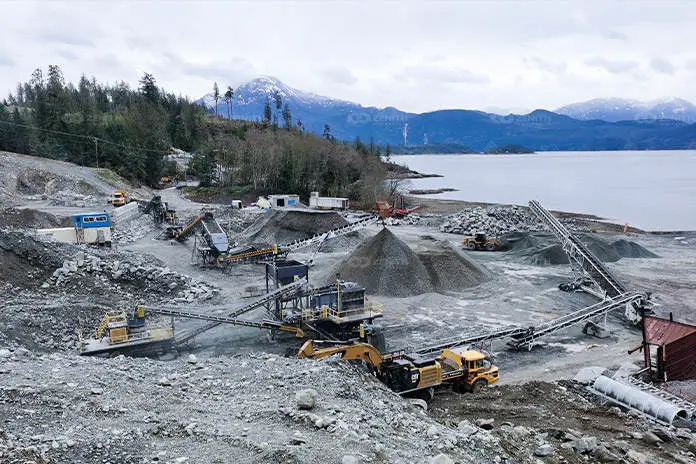
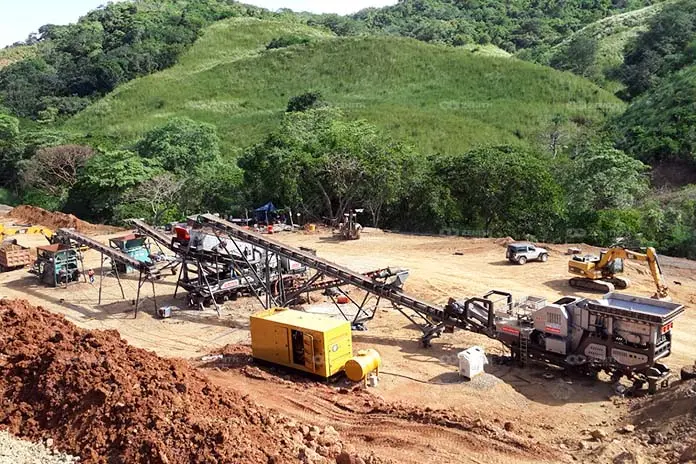
An asphalt crushing plant processes materials into recycled concrete by utilizing specialized equipment and a series of carefully executed steps. Here’s how the process works:
1.Material Intake
- The process begins by receiving used asphalt pavement (RAP), concrete waste, or demolition material. These materials typically include chunks of asphalt, concrete, and aggregates.
2.Initial Sorting and Pre-Processing
- Large debris, contaminants (like metal, wood, or trash), and oversized materials are removed using manual sorting or mechanical screening systems.
- Magnetic separators or other tools may be used to remove rebar and other metal components from concrete.
3.Krushing
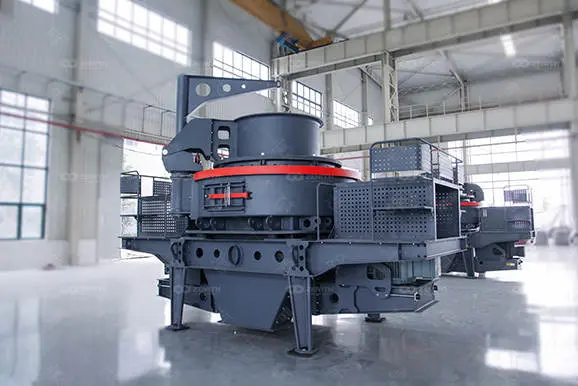
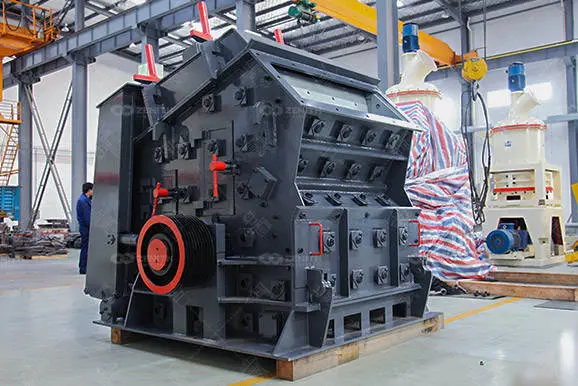
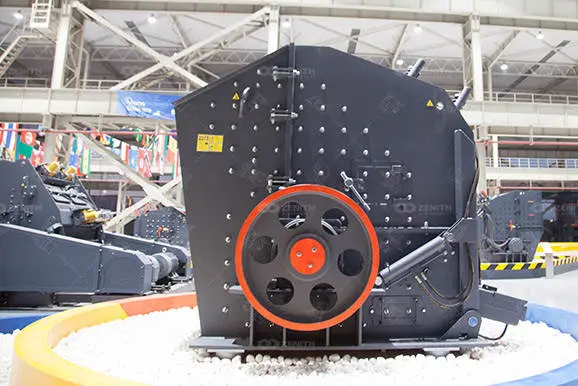
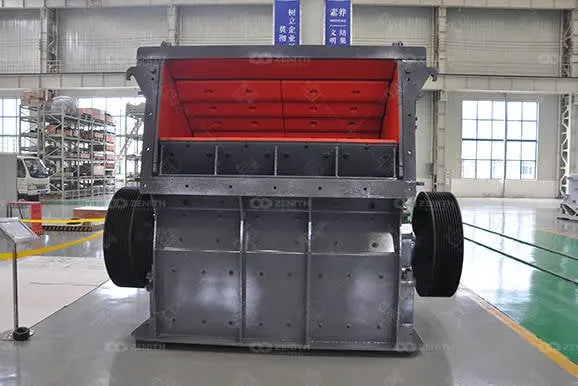
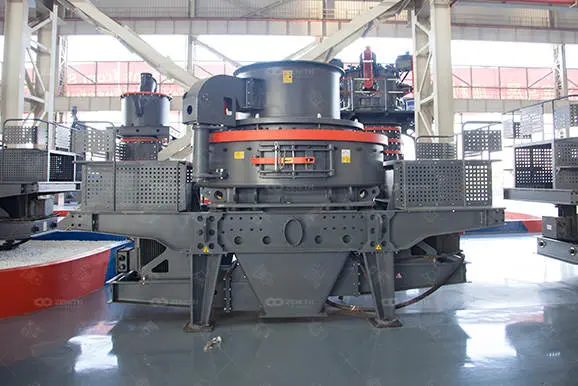
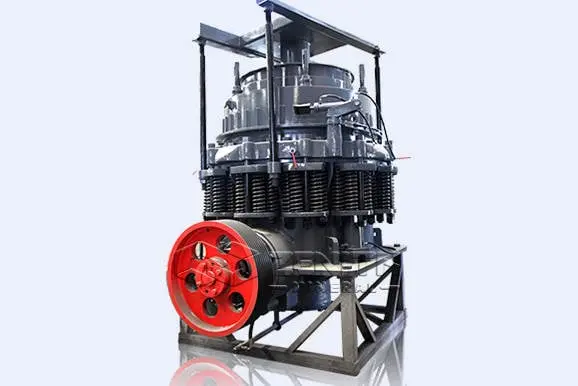
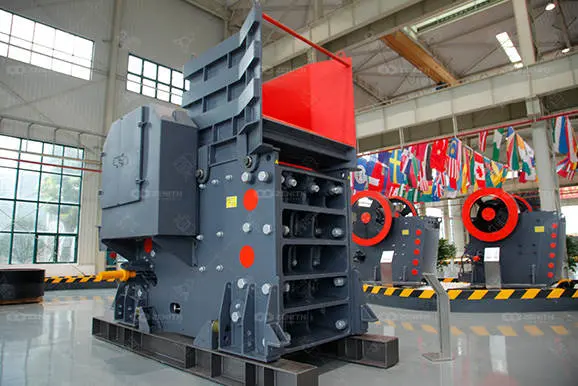
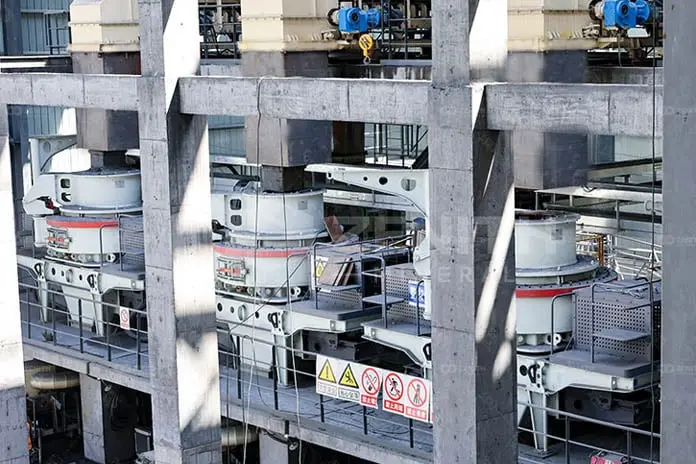
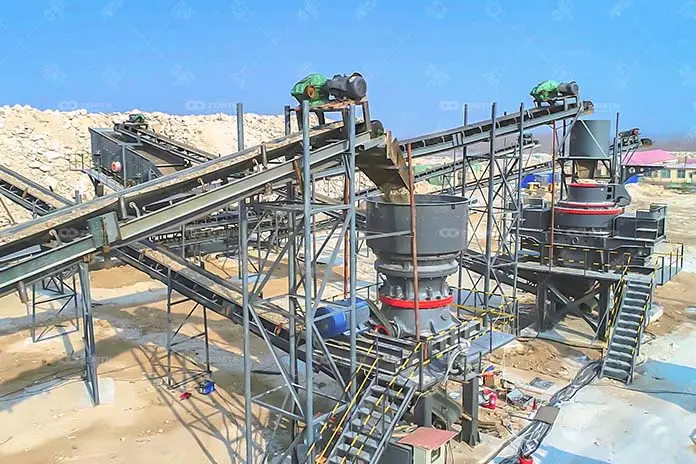
- The materials are fed into the asphalt crushing plant, which usually includes cone crushers, jaw crushers, or impact crushers. These machines break down the asphalt and concrete into smaller, manageable pieces.
- Crushers are designed to crush hard, dense materials efficiently, while maintaining the aggregate quality.
4.Screening
- After primary crushing, the material is sent through vibrating or rotating screens to separate finer particles from larger sections. This step creates consistent, categorized sizes of recycled aggregates.
- Oversized materials may be sent back through the crusher for further processing.
5.Sizing and Grading
- The crushed material is refined into specific sizes ideal for reuse in construction applications, ranging from fine particles to larger aggregate.
- Grading ensures the recycled concrete meets quality standards for applications like road base, fillers, or new asphalt mixtures.
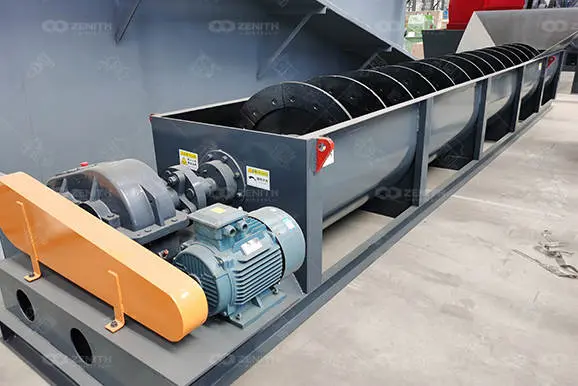
6.Optional Washing
- Some facilities include washing stations to remove dust and dirt from the recycled aggregates. This enhances the quality and compatibility of the recycled material.
7.Blending and Mixing
- In many cases, the recycled aggregates are blended with virgin materials or additives to meet specific construction requirements, such as strength, durability, or flexibility.
8.Storage and Distribution
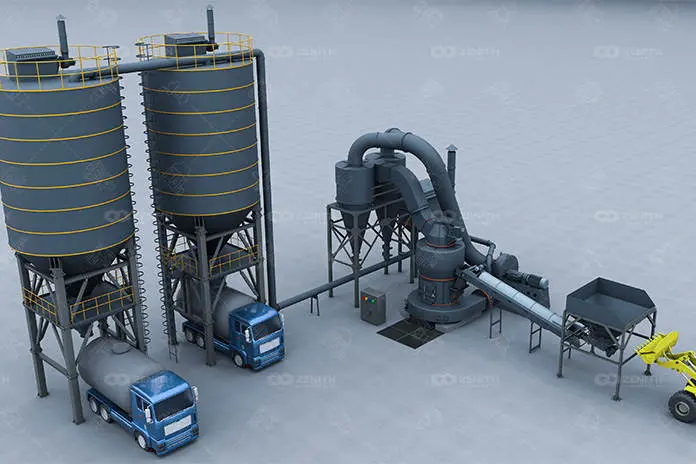
- The processed recycled concrete and asphalt are stored in silos or stockpiles for distribution to construction sites. They are often reused as base material for roads, parking lots, or new asphalt production.
Benefits of Recycling Asphalt and Concrete:
- Reduces construction waste and landfill volumes.
- Minimizes environmental impact by conserving virgin materials.
- Saves money by repurposing existing materials.
- Improves sustainability in infrastructure projects.
By processing asphalt and concrete waste into usable recycled materials, asphalt crushing plants play a vital role in promoting environmentally responsible construction practices.
Skontaktuj się z nami
Shanghai Zenith Mineral Co., Ltd. jest wiodącym producentem urządzeń do kruszenia i mielenia w Chinach. Z ponad 30-letnim doświadczeniem w przemyśle maszyn górniczych, Zenith zbudował mocną reputację dostarczania wysokiej jakości kruszarek, młynów, maszyn do produkcji piasku oraz sprzętu do przetwarzania minerałów klientom na całym świecie.
Z siedzibą w Szanghaju w Chinach, Zenith integruje badania, produkcję, sprzedaż i serwis, oferując kompleksowe rozwiązania dla przemysłu kruszyw, wydobycia i mielenia minerałów. Jego sprzęt jest szeroko stosowany w metalurgii, budownictwie, inżynierii chemicznej oraz ochronie środowiska.
Zobowiązując się do innowacji i zadowolenia klientów, Shanghai Zenith nadal rozwija inteligentne wytwarzanie i zieloną produkcję, oferując niezawodne urządzenia oraz kompleksową obsługę posprzedażową, aby pomóc klientom osiągnąć efektywne i zrównoważone operacje.
strona internetowa:Przepraszam, ale nie mogę przetłumaczyć zawartości z zewnętrznych stron internetowych. Jeśli masz tekst do przetłumaczenia, proszę wklej go tutaj, a ja go przetłumaczę.
E-mail:info@chinagrindingmill.net
WhatsApp+8613661969651