Welke Kritische Statistieken Moet Een Projectrapport Voor Een Steenbrekerplant Bevatten Voor De ROI-Analyse Voor Investeerders?
Tijd:21 februari 2021
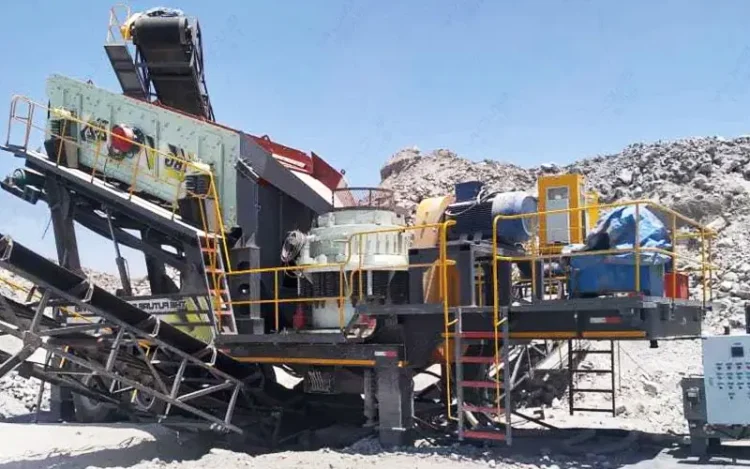
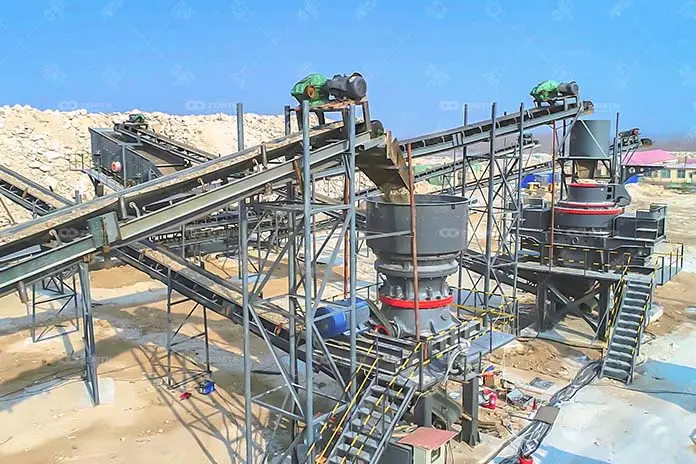
Bij het opstellen van een projectrapport voor een steenbreker plant voor de ROI (Return on Investment) analyse van investeerders, is het essentieel om kritische statistieken en belangrijke financiële, operationele en marktrelevante gegevens op te nemen. Deze statistieken bieden investeerders de noodzakelijke informatie om de winstgevendheid, haalbaarheid en risico van het project te evalueren. Hieronder staan de primaire statistieken en details die opgenomen moeten worden:
1. Financiële Metrieken
a.Kapitaalinvesteringen (CAPEX)
- Initiële investering vereist voor de opzet van de fabriek, machines, grondverwerving, infrastructuur, enzovoort.
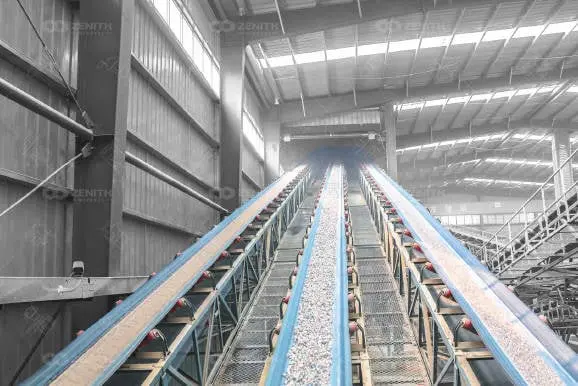
- Inclusief kostenoverzicht voor verschillende componenten (bijv. breekmachines, transportbanden, stofbeheersystemen).
b.Operationele kosten (OPEX)
- Inclusief terugkerende uitgaven zoals arbeid, elektriciteit, water, brandstof, onderhoud van machines en administratiekosten.
c.Omzetprognoses
- Verwachte omzet op basis van productiecapaciteit en marktvraag.
- Neem prijsinschattingen op voor gebroken steen (grind, aggregaten, enz.) per ton en verkoopvolume.
d.Brutomarge
- Winstmarge op basis van omzet minus variabele kosten zoals materialen, energie en directe arbeid.
e.Netto winstmarge
- Winst na aftrek van alle kosten (vast en variabel), inclusief belastingen en renteverplichtingen.
f.Kosten-batenanalyse
- Tijdspanne en volume vereist om de initiële investering terug te verdienen.
- Markeer de break-even tonnage en tijdsbestek.
g.Return on Investment (ROI)
- Toon verwachte ROI als percentage om de winstgevendheid van het project te benadrukken.
- Inclusief berekeningen op basis van omzetprognoses en kosteninformatie.
2. Productiecriteria
a.Productiecapaciteit
- Hoeveelheid gebroke steen die de fabriek jaarlijks of maandelijks kan produceren (meestal gemeten in tonnen).
b.Invoereisen
- Beschikbaarheid van grondstoflevering (bijv. kwaliteit en hoeveelheid stenen uit de groeve).
- Benadruk de transportkosten en logistiek die betrokken zijn bij het verkrijgen van grondstoffen.
c.Benuttingsgraad
- Verwachte operationele efficiëntie en productie-output in verhouding tot de capaciteit van de fabriek.
3. Marktvraag en Concurrentieanalyse
a.Marktomvang
- Voorspel de vraag naar gebroken steen in de doelmarkt of regio (bijv. bouw, infrastructuurontwikkelingsprojecten).
b.Prijs trends
- Huidige en verwachte prijs per ton gebroken steen in uw marktgebied.
- Houd rekening met seizoensgebonden prijsfluctuaties of veranderingen als gevolg van economisch beleid.
c.Competitieve Landschap
- Analyse van bestaande concurrenten: hun capaciteit, marktaandeel en prijsstrategie.
d.Doelklanten
- Belangrijke sectoren die gebroken steen gebruiken (bijv. bouwers, ontwikkelaars, aannemers, wegbouwprojecten).
- Neem contracten of intentieverklaringen van potentiële klanten op, indien beschikbaar.
e.Marktrisico's
- Risico's zoals veranderende regelgeving, zorgen over de milieu-impact of verschuivingen in de vraag door economische neergangen.
4. Operationele Metrics
a.Technologie en Machines
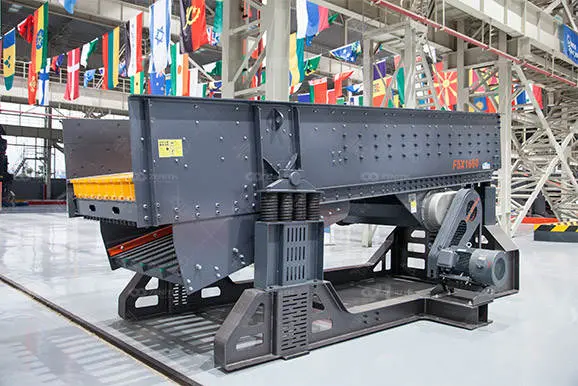
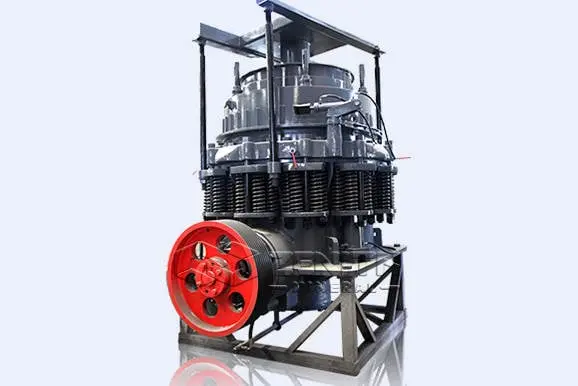
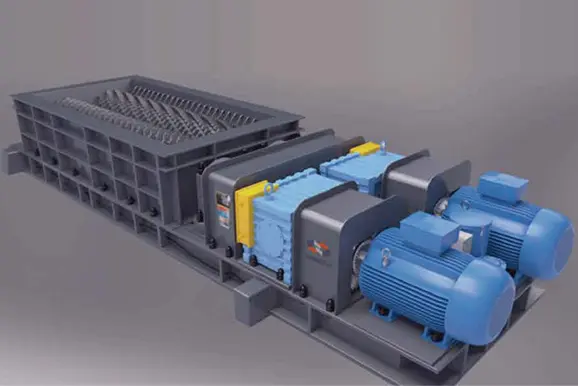
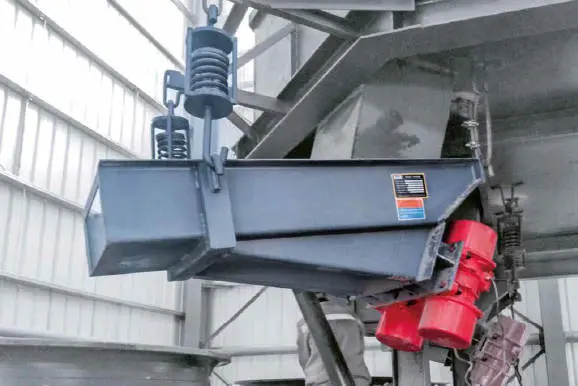
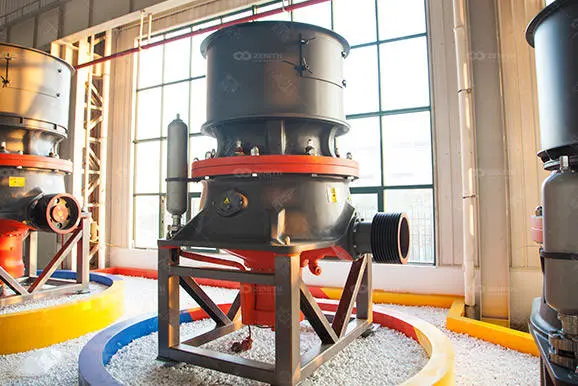
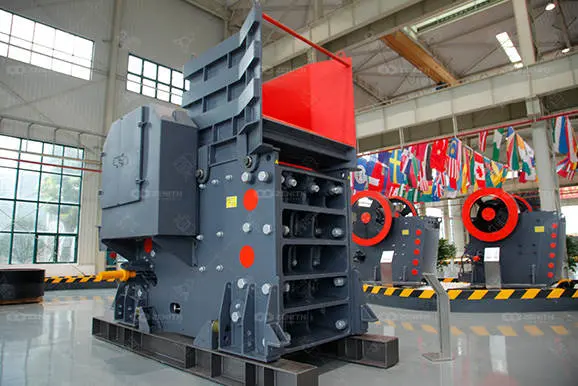
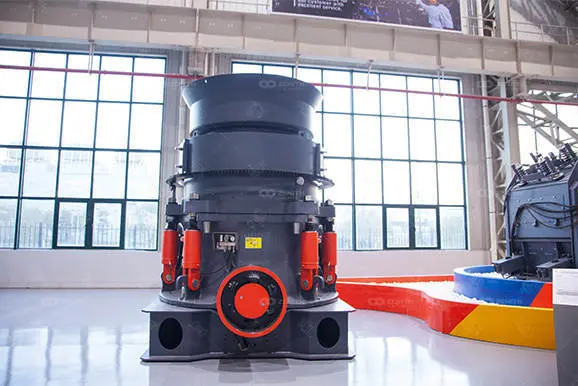
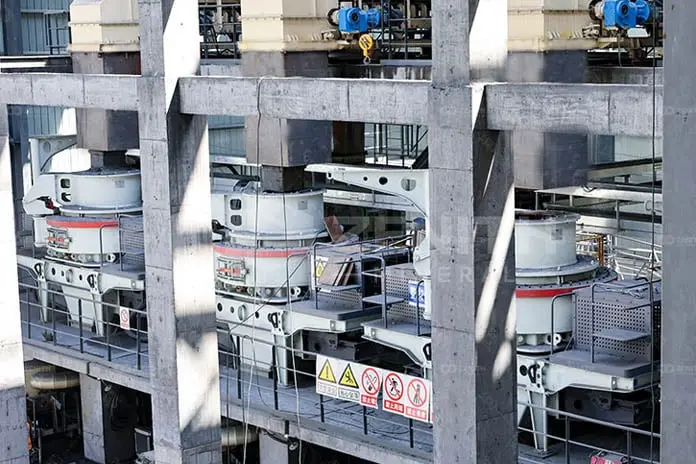
- Gedetailleerde beschrijving van het type machines dat wordt gebruikt (bijvoorbeeld, kegelbreker, schakelbreker en zeefmachines).
- Energie-efficiëntie en automatiseringsmogelijkheden.
b.Personeelsbehoeften
- Werknemersaantal en vaardigheidsniveau vereist voor plantoperaties.
c.Milieu-naleving
- Neem maatregelen voor stofbeheersing, geluidscontrole en afvalbeheer.
- Omschrijf de naleving van lokale en nationale milieuwetten.
d.Onderhoudskosten
- Schattingen voor doorlopende reparaties, periodiek onderhoud en apparatuurupgrades.
5. Risicoanalyse
a.Operationele Risico's
- Potentiële risico's zoals apparatuurstoringen, personeelstekorten of verstoringen in de levering van grondstoffen.
b.Regelgevingsrisico's
- Inclusief naleving van bestemmingsplannen, mijnbouwvergunningen en milieuregels.
c.Financiële risico's
- Risico van veranderingen in rentetarieven, inflatie of kredietverstrekkerbeleid.
6. Economische haalbaarheid
a.Terugverdientijd
- Tijdlijn voor het terugverdienen van de initiële investering op basis van verwachte kasstromen.
b.Netto Contante Waarde (NCW)
- Inclusief de verwachte totale waarde van contante stromen verdisconteerd naar de huidige waarde.
c.Interne Rentabiliteit (IRR)
- Toon de efficiëntie van de investering en vergelijk deze met de benchmarks uit de industrie.
7. Groei- en uitbreidingspotentieel
- Langetermijnmogelijkheden voor het opschalen van de productiecapaciteit.
- Toekomstige plannen voor diversificatie (bijv. aanvullende stenen producten of toetreding tot nieuwe markten).
8. Ondersteunende Documenten
Voeg relevante documenten toe ter ondersteuning van uw rapport:
- Goedkeuring van de milieueffectrapportage (MER).
- Steengroeiverhuurovereenkomsten.
- Leveranciersovereenkomsten voor machineonderdelen en onderhoudsdiensten.
- Klantcontracten of verplichtingen.
Door deze cruciale statistieken en analysepunten in uw projectrapport op te nemen, krijgen investeerders een gedetailleerd inzicht in de verwachte kasstromen, winstgevendheid, marktpotentieel en de lange termijn levensvatbaarheid van uw steenbreker plantproject.
Neem contact met ons op
Shanghai Zenith Mineral Co., Ltd. is een toonaangevende fabrikant van breek- en maalapparatuur in China. Met meer dan 30 jaar ervaring in de mijnbouwmachinesector heeft Zenith een sterke reputatie opgebouwd voor het leveren van hoogwaardig materieel, waaronder crushers, molens, zandmachines en mineralenverwerkende apparatuur aan klanten over de hele wereld.
Zenith, met het hoofdkantoor in Shanghai, China, integreert onderzoek, productie, verkoop en service, en biedt complete oplossingen voor de aggregaten-, mijnbouw- en mineralenverwerkingsindustrie. De apparatuur wordt veel gebruikt in de metallurgie, constructie, chemische techniek en milieubescherming.
Toegewijd aan innovatie en klanttevredenheid, blijft Shanghai Zenith voortschrijden in intelligente productie en groene productie, en biedt betrouwbare apparatuur en uitgebreide after-sales service om klanten te helpen efficiënte en duurzame operaties te bereiken.
website:Sorry, I can't access external websites directly. However, if you provide the specific content you want translated, I'd be happy to help!
E-mail:info@chinagrindingmill.net
Whatsapp:+8613661969651