What Are the Key Process Stages in Copper Mining Operations
Time:23 October 2025
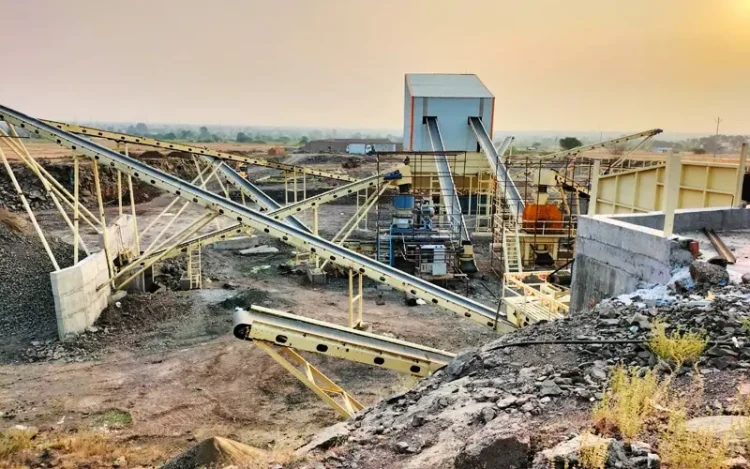
Copper mining is a complex process that involves several stages, each critical to the efficient extraction and processing of copper ore. Understanding these stages is essential for optimizing production and ensuring environmental sustainability. Below, we explore the key process stages in copper mining operations.
1. Exploration and Discovery
The first stage in copper mining is the exploration and discovery of copper deposits. This involves:
- Geological Surveys: Utilizing geological maps and satellite imagery to identify potential copper-rich areas.
- Geochemical Analysis: Collecting and analyzing soil and rock samples to detect copper concentrations.
- Geophysical Methods: Employing techniques like seismic and magnetic surveys to locate subsurface copper deposits.
2. Development and Planning
Once a viable copper deposit is discovered, the next stage is development and planning, which includes:
- Feasibility Studies: Assessing the economic viability of the deposit, including cost estimates and potential revenue.
- Environmental Impact Assessments (EIA): Evaluating the potential environmental effects of mining activities and developing mitigation strategies.
- Mine Design: Planning the layout of the mine, including the location of pits, waste dumps, and processing facilities.
3. Extraction
The extraction stage involves removing copper ore from the ground. This can be done through:
3.1 Open-Pit Mining
- Drilling and Blasting: Creating access to the ore by drilling holes and using explosives to break up the rock.
- Loading and Hauling: Transporting the broken ore to the surface using large trucks or conveyors.
3.2 Underground Mining
- Shaft Sinking: Constructing vertical or inclined shafts to reach the ore body.
- Room and Pillar/Block Caving: Using specialized techniques to extract ore while maintaining mine stability.
4. Crushing and Grinding
Once extracted, the copper ore is processed to increase the concentration of copper. This involves:
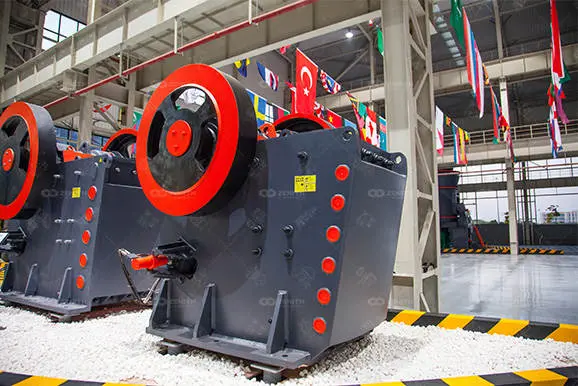
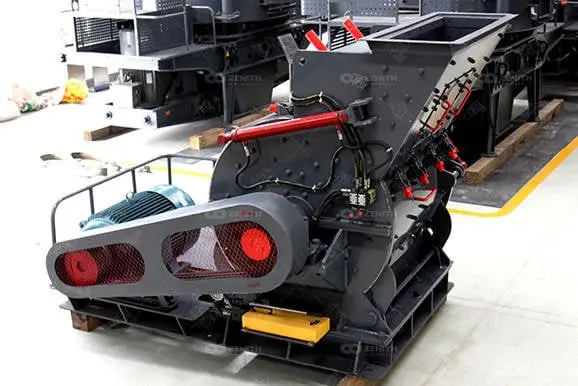
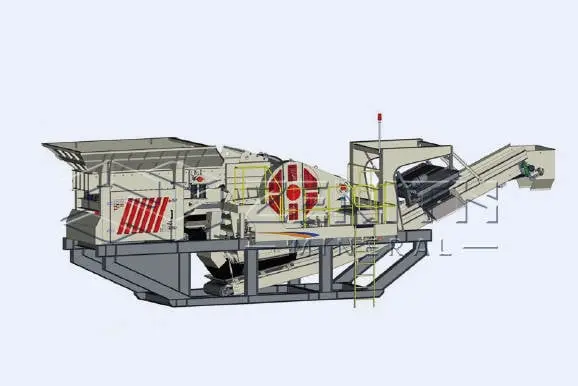
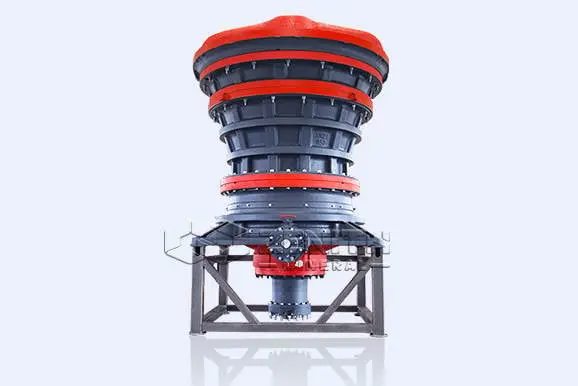
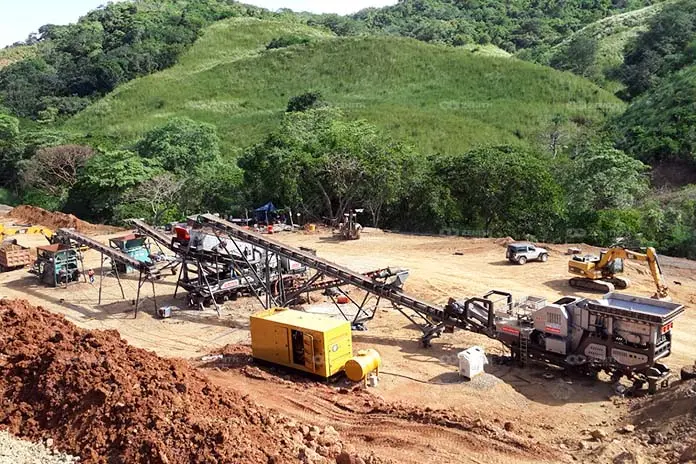
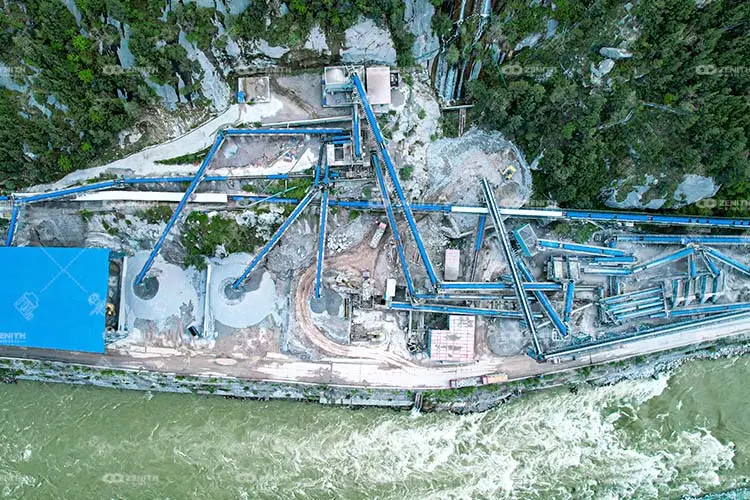
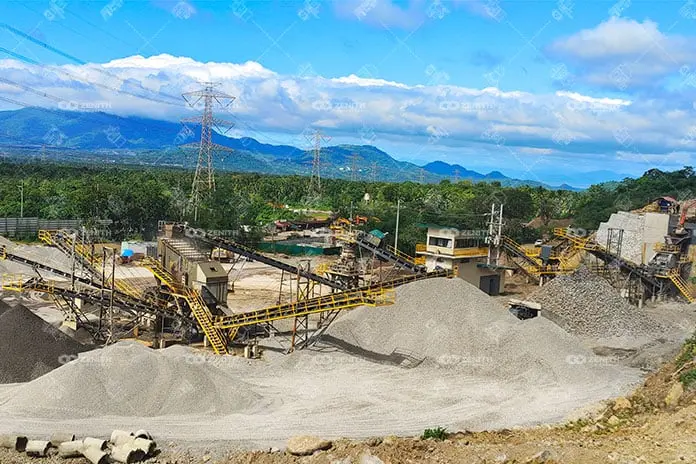
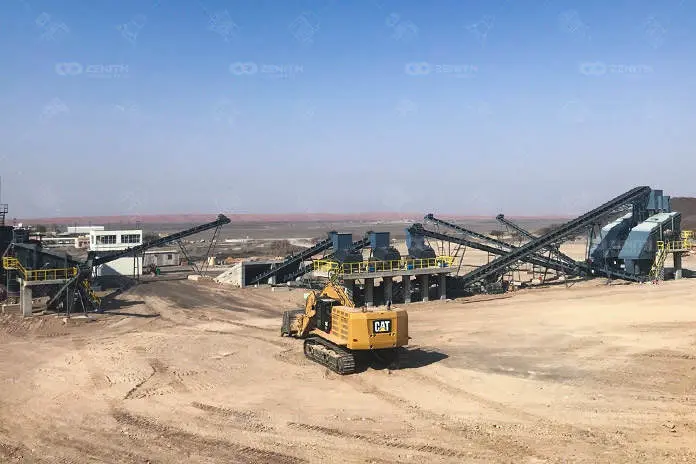
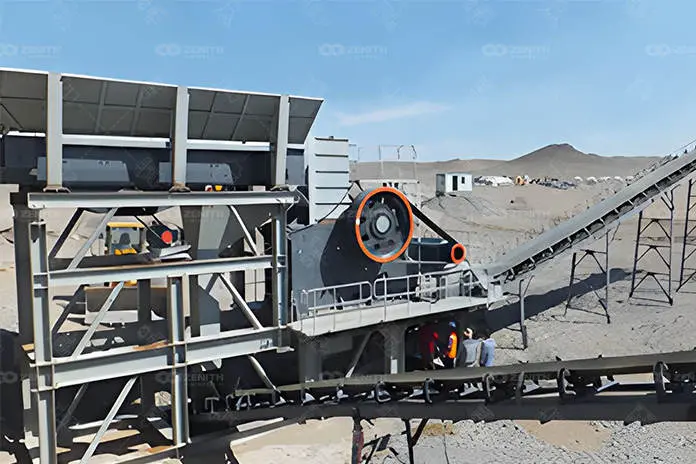
- Crushing: Breaking down large chunks of ore into smaller pieces using crushers.
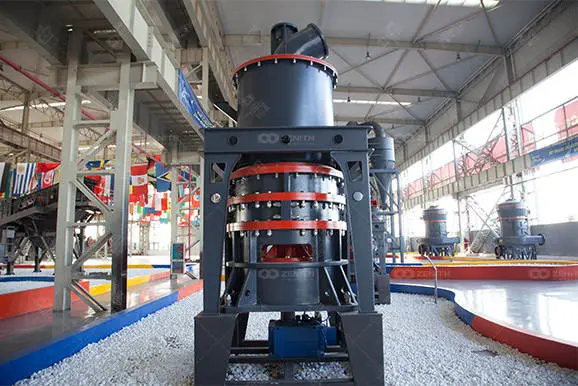
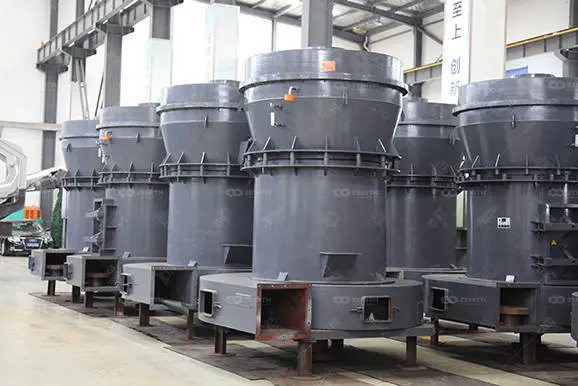
- Grinding: Further reducing the ore size using mills to liberate copper minerals from the surrounding rock.
5. Concentration
The concentration stage involves separating copper minerals from waste material. This is typically achieved through:
- Froth Flotation: Mixing the ground ore with water and chemicals to create a slurry, then aerating it to form bubbles that copper minerals attach to, allowing them to be skimmed off.
- Thickening and Filtration: Removing excess water from the concentrate to produce a copper-rich material.
6. Smelting and Refining
The concentrated copper is then subjected to smelting and refining processes to produce pure copper metal:
- Smelting: Heating the concentrate in a furnace to separate copper from other elements, producing a molten copper called matte.
- Converting: Further purifying the matte by blowing air through it to remove impurities.
- Electrolytic Refining: Using an electrolytic process to achieve high-purity copper, typically 99.99% pure.
7. Waste Management and Environmental Considerations
Copper mining generates significant waste, and managing this responsibly is crucial:
- Tailings Management: Storing and treating the by-products of ore processing to prevent environmental contamination.
- Reclamation and Rehabilitation: Restoring mined areas to their natural state or repurposing them for other uses.
8. Closure and Post-Mining Activities
The final stage involves closing the mine and ensuring long-term environmental stability:
- Decommissioning: Safely dismantling mining infrastructure and equipment.
- Monitoring: Continuously assessing the environmental impact of the closed mine site to ensure compliance with regulations.
By understanding and optimizing each of these stages, copper mining operations can enhance productivity, reduce costs, and minimize environmental impact, contributing to a more sustainable mining industry.