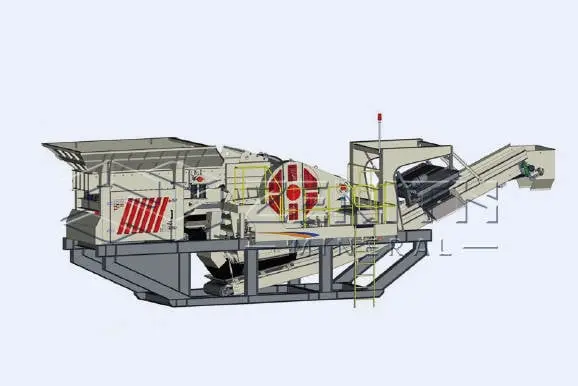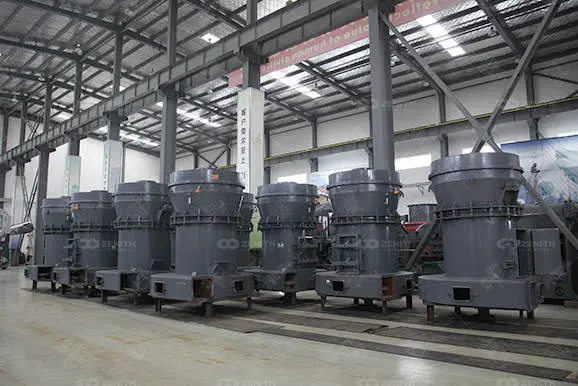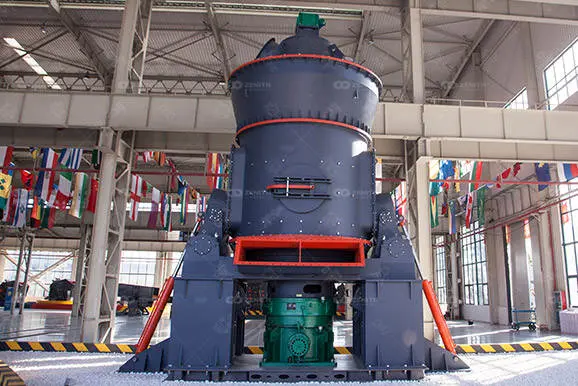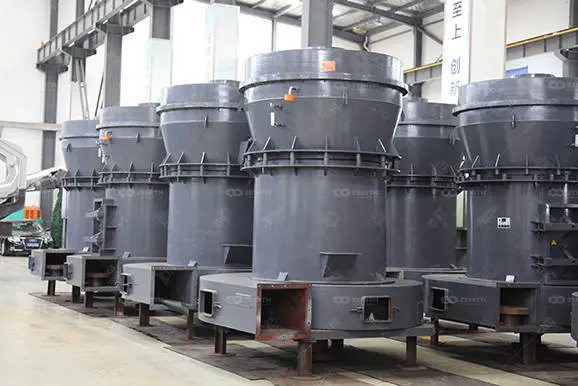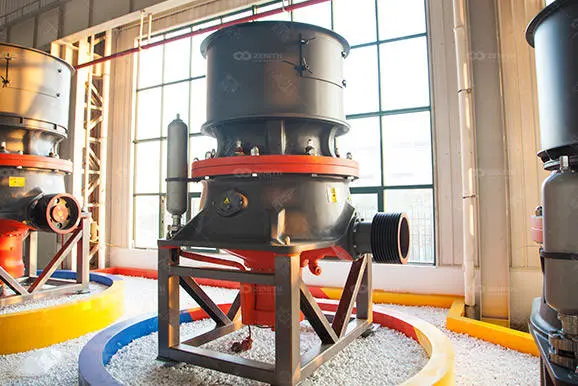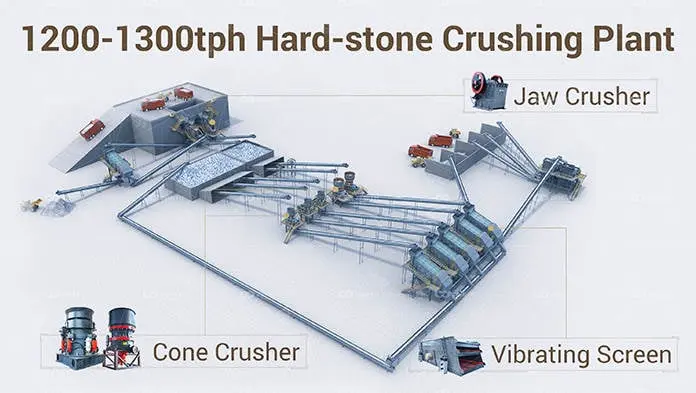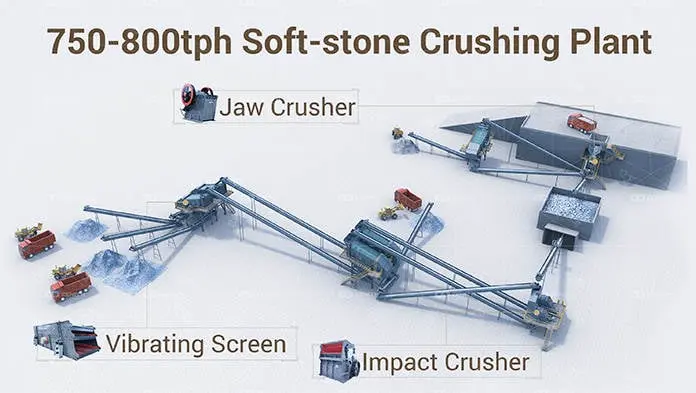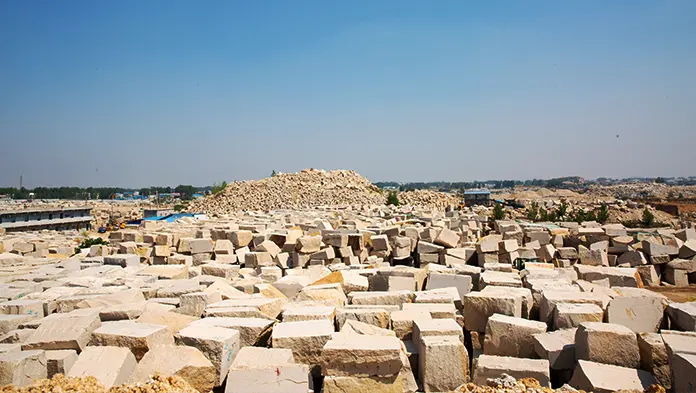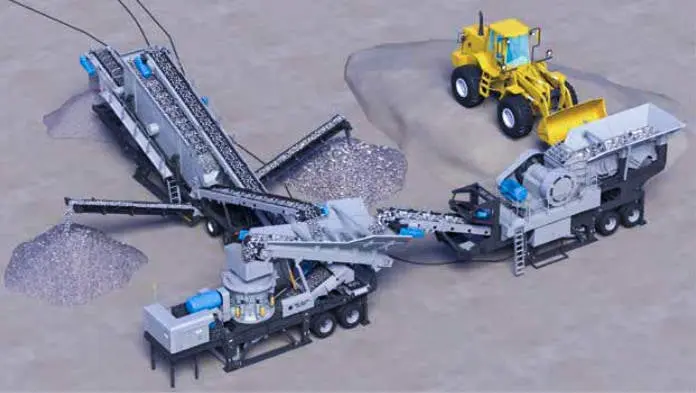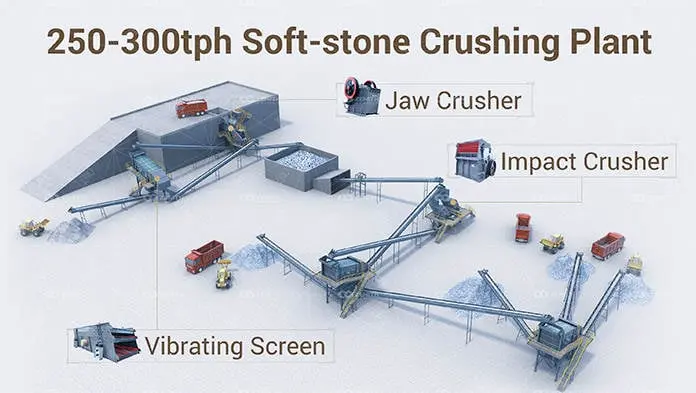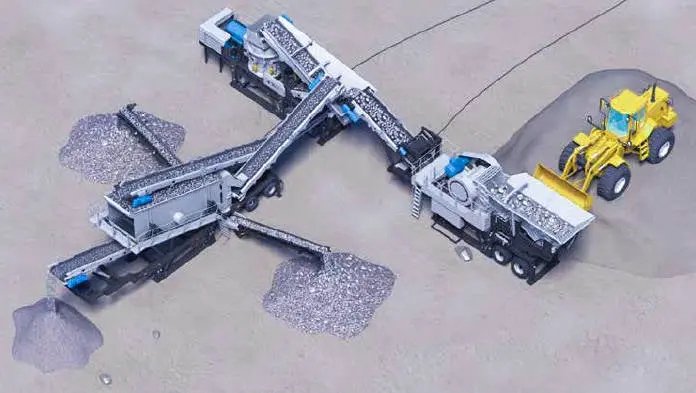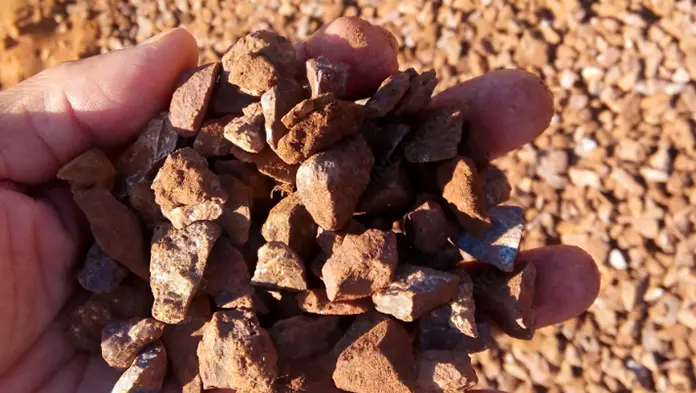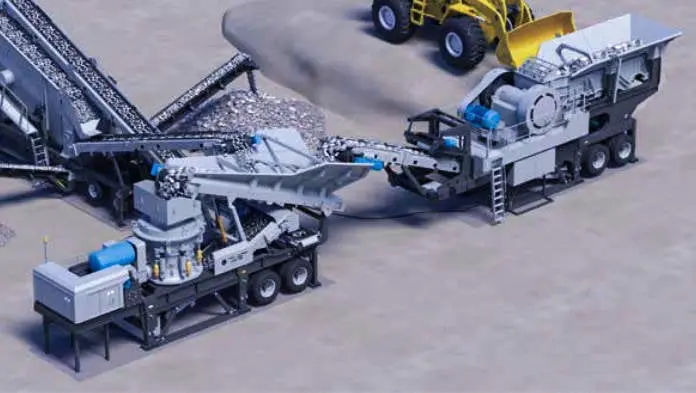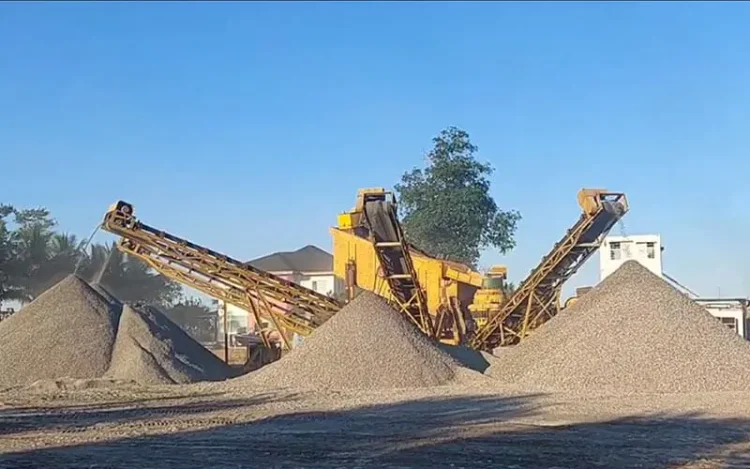
A crushing plant is an essential component in the mining and construction industries, where large rocks are reduced into smaller, more manageable sizes. This process is crucial for producing aggregates used in construction, road building, and other applications. Understanding the machinery involved in a crushing plant is vital for optimizing operations and ensuring efficient production. Below is a detailed overview of the machines typically used in a crushing plant.
Primary crushing is the first stage of material reduction. It involves breaking down large rocks into smaller pieces that can be further processed. The machines used in this stage are:
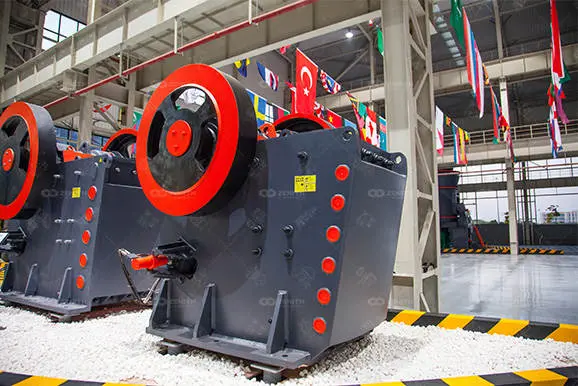
– Function: Jaw crushers are used for the initial breaking of large rocks. They work by compressing the material between a stationary piece and a moving piece.
– Features: High capacity, robust construction, and ability to handle hard materials.
– Function: Similar to jaw crushers, gyratory crushers are used for primary crushing. They consist of a concave surface and a conical head, both of which are typically lined with manganese steel.
– Features: Suitable for large-scale operations, continuous operation, and high throughput.
Once the material has been reduced in size by the primary crusher, it moves to the secondary crushing stage. Machines used here include:
– Function: Cone crushers are used for secondary or tertiary crushing. They crush materials by squeezing them between an eccentrically gyrating spindle and a concave hopper.
– Features: High efficiency, adjustable settings for different sizes, and low operational costs.
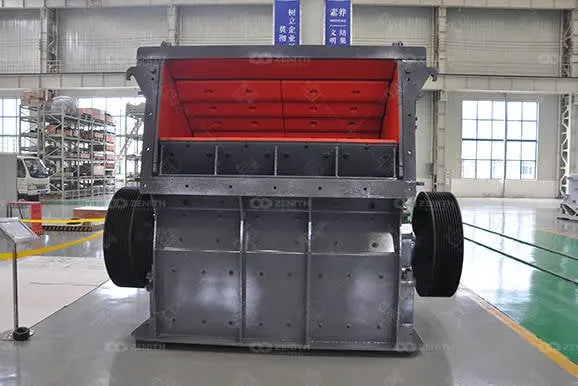
– Function: Impact crushers use impact force to break down materials. They are ideal for softer materials and recycling applications.
– Features: Versatile, capable of producing a range of sizes, and good for producing cubic-shaped products.
Tertiary crushing is the final stage of the crushing process, where the material is refined to the desired size. Machines used in this stage include:
– Function: VSI crushers are used for shaping and producing fine aggregates. They use a high-speed rotor and anvils for impact crushing.
– Features: Produces high-quality aggregates, adjustable settings for different output sizes, and low wear costs.
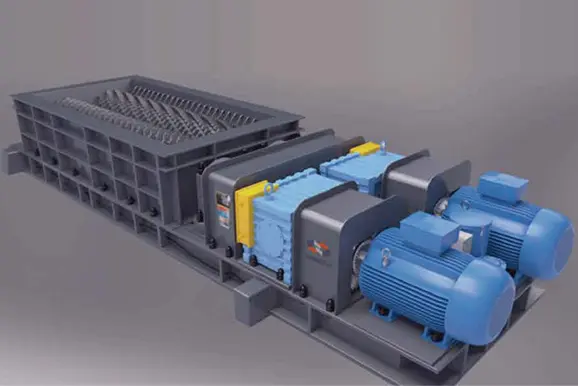
– Function: Roll crushers are used for fine crushing and producing small particle sizes. They consist of two rotating cylinders that crush the material between them.
– Features: Simple design, low maintenance, and efficient for small-scale operations.
In addition to crushers, a crushing plant includes several supporting machines that facilitate the crushing process:
– Function: Feeders regulate the flow of material into the crushers, ensuring consistent and controlled feeding.
– Types: Vibrating feeders, belt feeders, and apron feeders.
– Function: Screens are used to separate crushed material into different sizes. They ensure that only the desired size of material moves to the next stage.
– Types: Vibrating screens, rotary screens, and trommel screens.
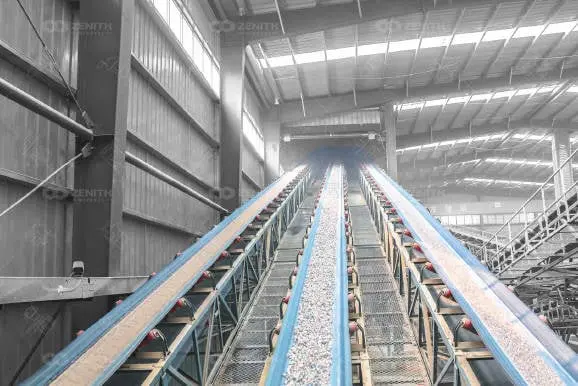
– Function: Conveyors transport material between different stages of the crushing process. They are essential for maintaining a continuous flow of material.
– Types: Belt conveyors, screw conveyors, and pneumatic conveyors.
A crushing plant comprises various machines, each with a specific role in the material reduction process. Understanding the function and features of each machine is crucial for optimizing operations and achieving efficient production. From primary crushers like jaw and gyratory crushers to tertiary crushers like VSI and roll crushers, each piece of equipment is designed to handle specific tasks and contribute to the overall success of the crushing plant. Supporting equipment such as feeders, screens, and conveyors further enhance the plant’s functionality, ensuring a smooth and efficient operation.