info@chinagrindingmill.net
+8613661969651
english En
English (Note: The word "English" is translated as "इंग्रजी" in Marathi. If you need more content translated or any specific text, please provide that text.) 中文版 हिंदी स्पॅनिश फ्रेंच अरबी बंगाली रशियन पोर्तुगीज इंडोनेशियन उर्दू जर्मन जपानी स्वाहिली तुर्की इटालियन कोरियन व्हिएतनामी तमिळ पंजाबी फारसी (फारसी) थाई डच पोलेश युक्रेनियन रोमानियन ग्रीक हिब्रू स्वीडिश चेक हंगेरियन डॅनिश फिनिश नॉर्वेजियन मलय तागालोग (फिलिपिनो) Gujarati Kannada Burmese Amharic Hausa Somali Yoruba Zulu Afrikaans Nepali Sinhala Khmer Lao Mongolian Javanese Telugu Marathi Malayalam Uyghur
SHANGHAI ZENITH MINERAL CO.,LTD. SHANGHAI ZENITH MINERAL CO.,LTD.
  • Home
  • About
  • Products
    Mobile CrusherStone CrusherGrinding MillsModular CrushersMining Equipment
  • Cases
  • Solutions
  • Library
  • Contact
  • Quote Now
  • Home
  • Downloads
  • what are the wearing parts for belt conveyor

what are the wearing parts for belt conveyor

Time:18 September 2025

Belt conveyors are essential components in various industries, including mining, manufacturing, and logistics. They facilitate the efficient movement of materials over short or long distances. However, like any mechanical system, belt conveyors are subject to wear and tear. Understanding the wearing parts of a belt conveyor is crucial for maintenance and longevity of the system.

Key Wearing Parts of a Belt Conveyor

Several components of a belt conveyor are prone to wear. Identifying these parts can help in proactive maintenance and reduce downtime.

1. Conveyor Belt

The conveyor belt is the most critical and visible component of a belt conveyor system. It is subject to continuous wear due to:

  • Material Abrasion: The constant contact with materials being transported can cause surface wear.
  • Tension and Stretching: Over time, the belt may stretch, leading to misalignment and slippage.
  • Environmental Factors: Exposure to extreme temperatures, chemicals, or UV light can degrade the belt material.

2. Idlers and Rollers

Idlers and rollers support the conveyor belt and help maintain its alignment. They are subject to:

  • Bearing Wear: The bearings within idlers and rollers can wear out due to friction and lack of lubrication.
  • Surface Wear: The outer surface can become worn due to constant contact with the moving belt.

3. Pulleys

Pulleys are used to drive and redirect the conveyor belt. They experience wear in the following ways:

  • Lagging Wear: The rubber or ceramic lagging on pulleys can wear down, reducing traction.
  • Shaft and Bearing Wear: The rotation of pulleys can lead to wear on shafts and bearings, affecting performance.

4. Skirting and Sealing Systems

These components prevent material spillage and dust emissions. They can wear due to:

  • Friction with the Belt: Constant contact with the moving belt can erode skirting materials.
  • Material Build-up: Accumulation of transported materials can cause additional wear.

5. Drive System

The drive system, including motors and gearboxes, is crucial for the operation of the conveyor. Wear can occur due to:

  • Mechanical Stress: Continuous operation can lead to wear on gears and motor components.
  • Heat Generation: Excessive heat from friction can degrade lubricants and components.

Maintenance Strategies for Wearing Parts

To extend the life of a belt conveyor, regular maintenance and timely replacement of wearing parts are essential. Here are some strategies:

Routine Inspections

  • Visual Checks: Regularly inspect belts, idlers, and pulleys for signs of wear or damage.
  • Vibration Analysis: Use vibration analysis to detect bearing wear in idlers and drive systems.

Preventive Maintenance

  • Lubrication: Ensure all bearings and moving parts are adequately lubricated to reduce friction.
  • Alignment Checks: Regularly check and adjust belt alignment to prevent uneven wear.

Replacement and Repairs

  • Timely Replacement: Replace worn belts, idlers, and other components before they fail.
  • Use Quality Parts: Invest in high-quality replacement parts to ensure durability and performance.

Conclusion

Understanding and maintaining the wearing parts of a belt conveyor is vital for the efficient operation of the system. By implementing regular inspections, preventive maintenance, and timely replacements, businesses can minimize downtime and extend the lifespan of their conveyor systems. Proper attention to these components ensures the continued success and reliability of material handling operations.

  • Previous: What are the properties of artificial sand
  • Next: What does the belt conveyor machine do

Main Products

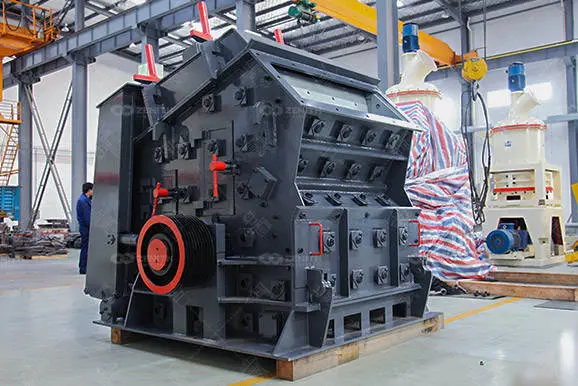
PF Impact Crusher

PF Impact Crusher

PF Impact Crusher makes use of impact energy to crush materials. It’s used as a secondary crusher in stone crushing...

Learn More
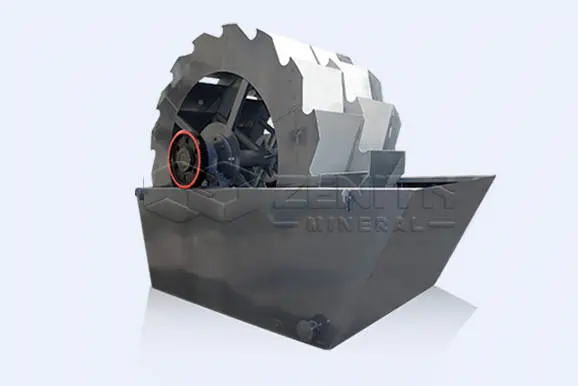
XSD Sand Washer

XSD Sand Washer

XSD Sand Washer is widely used for cleaning materials in the following industries: quarry, minerals, building materials, cement mixture station...

Learn More
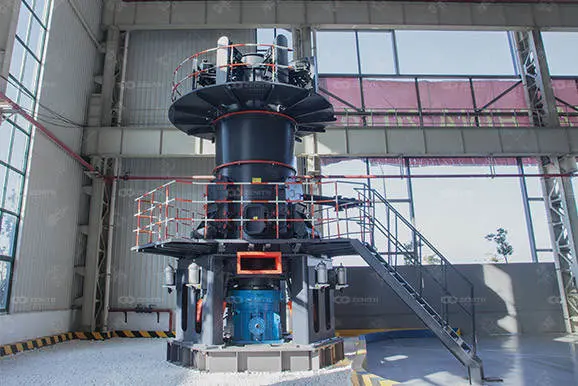
LUM Ultrafine Vertical Mill

LUM Ultrafine Vertical Mill

LUM Ultrafine Vertical Grinding Mill sets grinding, drying, classifying and transportation as a whole and takes little space.

Learn More
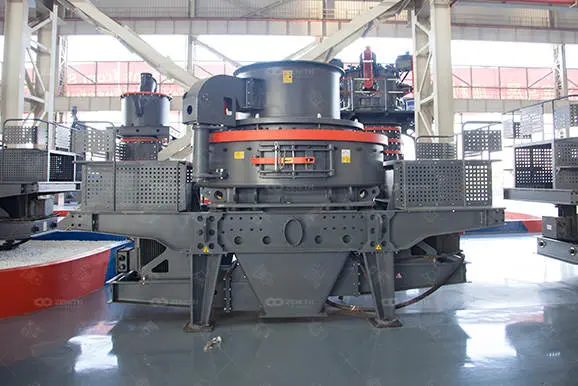
B Vertical Shaft Impact Crusher

B Vertical Shaft Impact Crusher

B Deep-rotor Vertical-shaft Impact Crusher combines three crushing modes into one and has become excellent equipment in manufactured sand production...

Learn More
PFW Impact Crusher

PFW Impact Crusher

PFW Impact Crusher is usually used with jaw crushers together. In a stone crushing plant, it often appears in the...

Learn More
MTM Medium-Speed Grinding Mill

MTM Medium-Speed Grinding Mill

MTM Medium-Speed Grinding Mill adopts world-leading powder processing technology. It is the ideal substitute of the traditional mills like Raymond...

Learn More
S Spring Cone Crusher

S Spring Cone Crusher

Based on the lamination crushing principle and concept of crushing more and grinding less, S Spring Cone Crusher was released.

Learn More
C5X Jaw Crusher

C5X Jaw Crusher

The C5X Jaw Crusher features a well-designed crushing chamber and outstanding motion characteristics, boasting a larger stroke and higher speed...

Learn More
MK Semi-mobile Crusher and Screen

MK Semi-mobile Crusher and Screen

MK Semi-mobile Crusher and Screen (Skid-mounted) is a new integrated mobile crushing and screening plant designed to meet customers' demand...

Learn More
LM Vertical Grinding Mill

LM Vertical Grinding Mill

LM Vertical Grinding Mill integrates five functions of crushing, grinding, powder selection, drying and material conveying.

Learn More

Solutions

We have more than 5000 cases around the world and provide a full range of solutions.
150t/h Soft Rock Portable Crushing Plant

150t/h Soft Rock Portable Crushing Plant

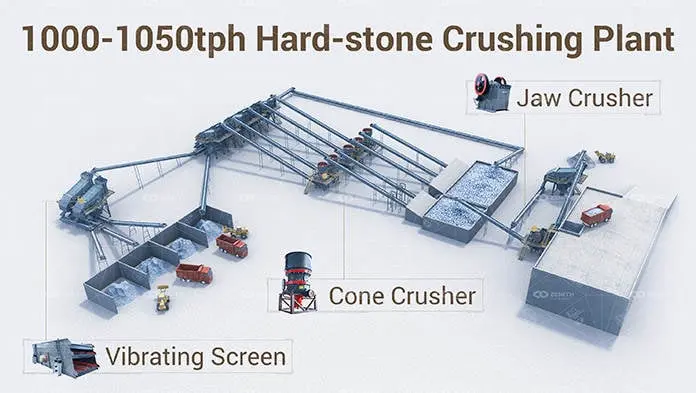
1000-1050t/h Hard Rock Crushing Plant

1000-1050t/h Hard Rock Crushing Plant

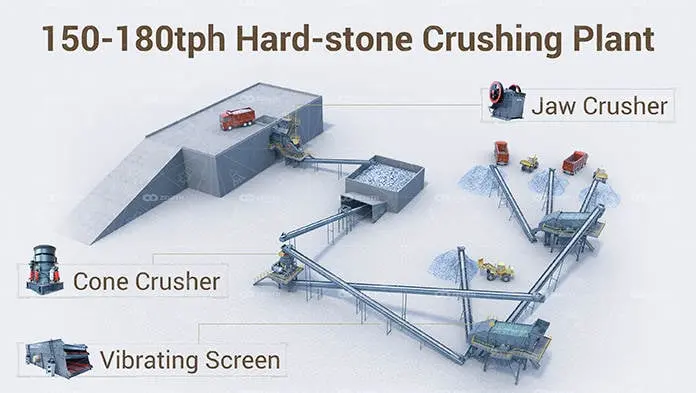
150-180t/h Hard Rock Crushing Plant

150-180t/h Hard Rock Crushing Plant

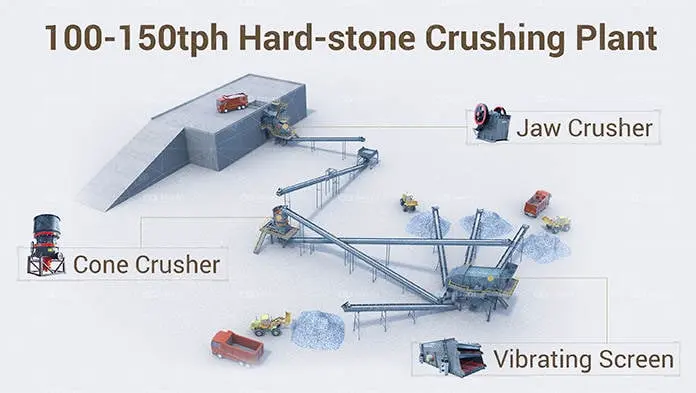
100-150t/h Hard Rock Crushing Plant

100-150t/h Hard Rock Crushing Plant

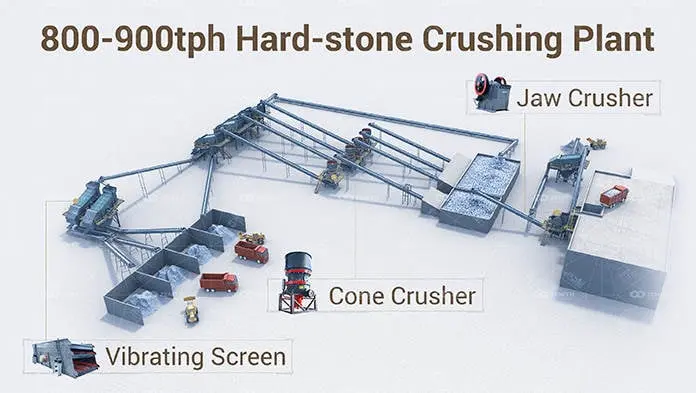
800-900t/h Hard Rock Crushing Plant

800-900t/h Hard Rock Crushing Plant

GRANITE CRUSHING PLANTS DESIGN

GRANITE CRUSHING PLANTS DESIGN

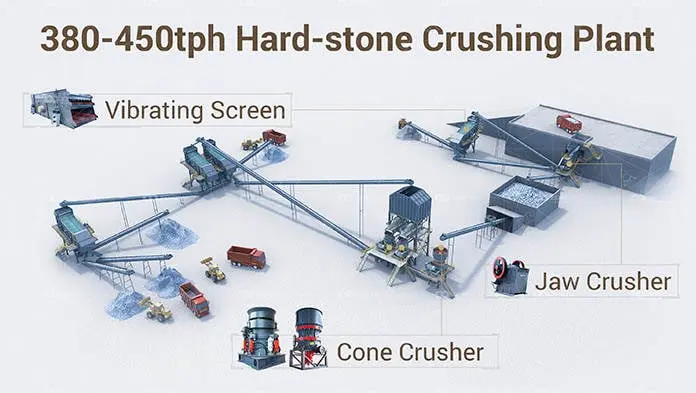
380-450t/h Hard Rock Crushing Plant

380-450t/h Hard Rock Crushing Plant

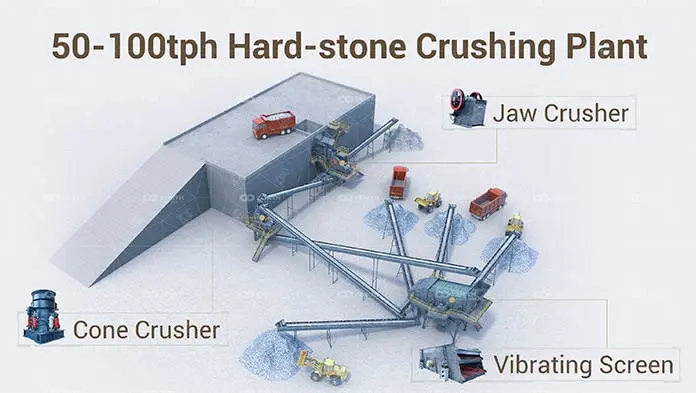
50-100t/h Hard Rock Crushing Plant

50-100t/h Hard Rock Crushing Plant

SHANGHAI ZENITH MINERAL CO.,LTD.

Certification

  • CE
  • SGS
  • ISO
  • GOST

Contact information

  • Whatsapp: +8613661969651
  • Email: info@chinagrindingmill.net
  • Website: www.chinagrindingmill.net
  • Address: No. 1688, East Gaoke Road, Shanghai, China

Our Solutions

50-100t/h Soft Rock Crushing Plant
50-100t/h Hard Rock Crushing Plant
100-150t/h Soft Rock Crushing Plant
100-150t/h Hard Rock Crushing Plant
150-200t/h Soft Rock Crushing Plant
150-180t/h Hard Rock Crushing Plant

Cases

Ghana 100-120TPH Granite Portable Crushing Plant
Dubai 550t/h Limestone Crushing Plant
Philippines 80TPH River Pebble Crushing Plant
Turkey Copper Ore Crushing Plant

Resources

Librarys
FAQs
Downloads

About Us

Copyright © 2025 SHANGHAI ZENITH MINERAL CO.,LTD. All Rights Reserved.