How to Choose the Right Quartz Beneficiation Process?
Time:
5 September 2025
The primary objective of quartz beneficiation is to remove impurities such as iron, aluminum, calcium, titanium, and other mineral inclusions from raw quartz ore, thereby upgrading quartz purity to meet specific industrial standards. These standards vary widely depending on the end-use, ranging from ordinary glass manufacturing to photovoltaic glass, electronic-grade silicon, and advanced ceramics. The beneficiation process must be flexibly designed according to the impurity types, their occurrence modes, and the final product requirements.

Understanding Ore Characteristics and Purity Targets
Before beneficiation, thorough chemical assays and mineralogical characterization are essential to determine two critical factors that form the basis for process selection:
1. Impurity Types and Distribution
- Free iron minerals (e.g., hematite, magnetite): Magnetic separation is the preferred method for impurity removal.
- Aluminosilicate minerals (e.g., feldspar, mica): Flotation is generally employed to separate these non-magnetic impurities.
- Lattice inclusions (e.g., iron or titanium atoms embedded within quartz crystal lattice): These require subsequent acid leaching or high-temperature treatment for effective removal.
2. Purity Requirements
- Standard glass-grade quartz sand: SiO₂ ≥ 99.5%, Fe₂O₃ ≤ 0.05%
- Photovoltaic-grade quartz sand: SiO₂ ≥ 99.99%, Fe₂O₃ ≤ 0.001%
- Electronic-grade quartz: SiO₂ ≥ 99.999%, with virtually no impurities
Typical Quartz Beneficiation Process Flow
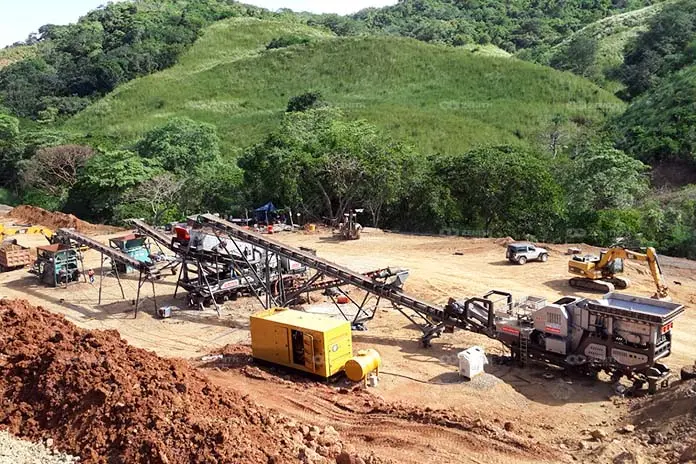
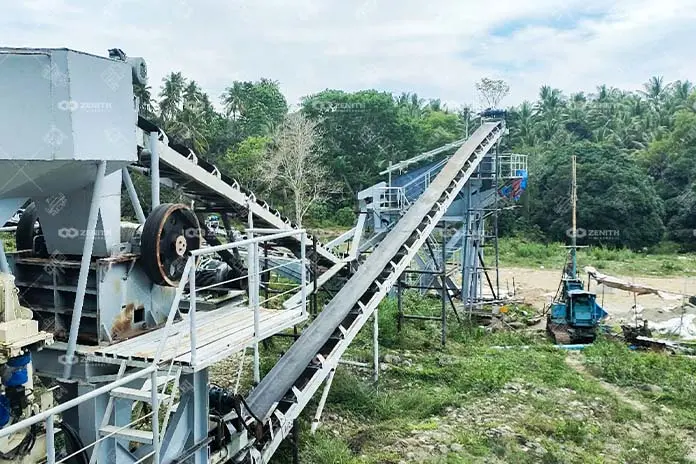
Quartz beneficiation process generally follows a sequential process of crushing, grinding, pre-treatment impurity removal, fine purification, and concentration. Each stage targets specific impurity types using tailored methods to achieve the desired purity and particle size.
1. Crushing: Preparing Ore for Grinding
The initial crushing stage is essential to reduce large raw ore blocks to manageable sizes suitable for grinding. Typically, a combination of coarse and fine crushing is applied:
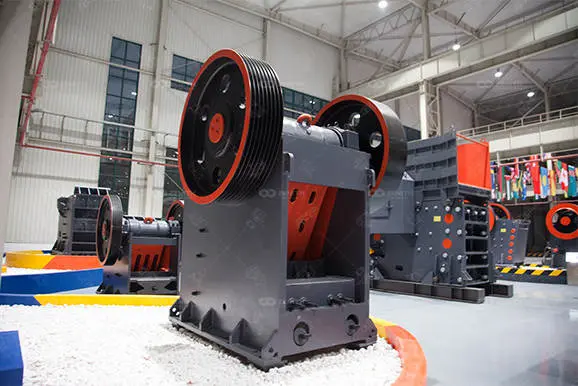
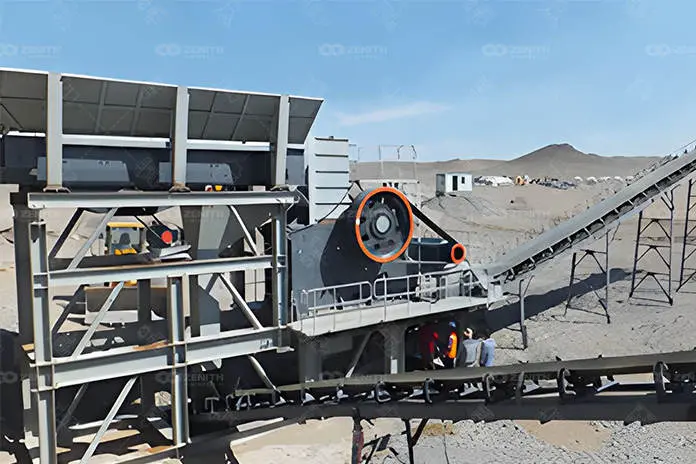
- Coarse Crushing: Jaw crushers are commonly used to break down large ore chunks into smaller pieces.
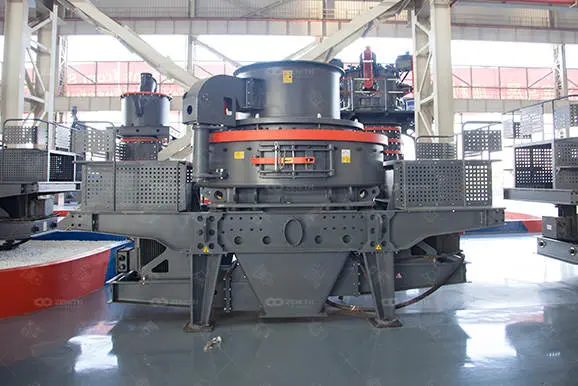
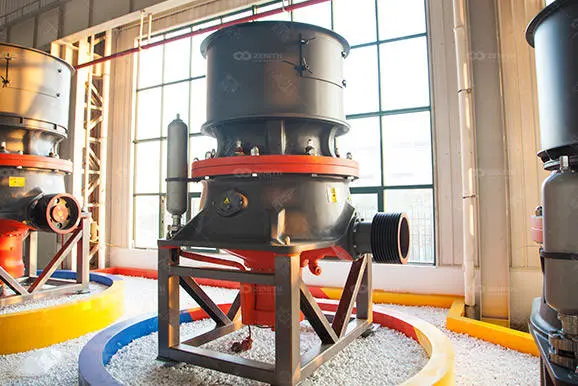
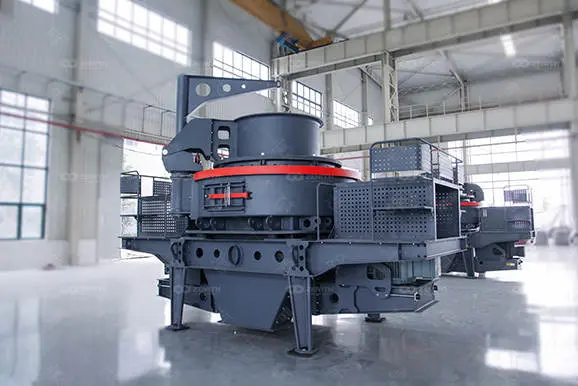
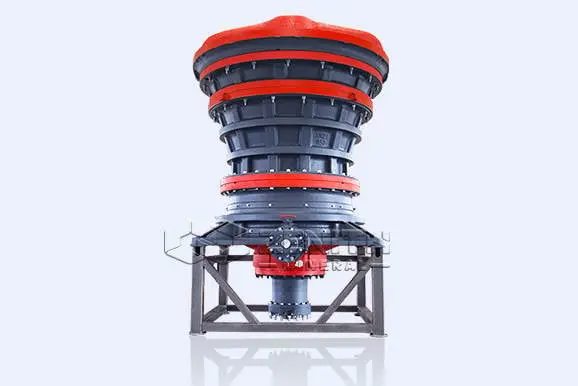
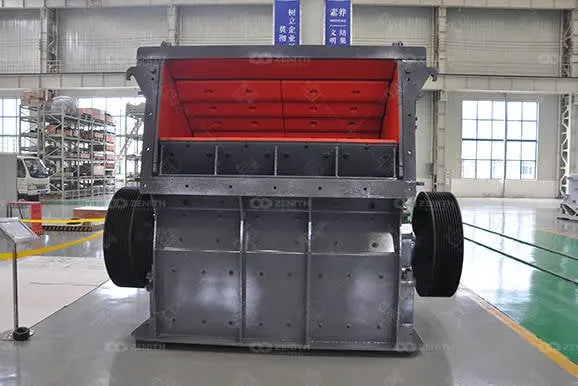
- Fine Crushing: Impact crushers or cone crushers further reduce the particle size to the range of 10–30 mm, optimizing feed size for subsequent grinding.
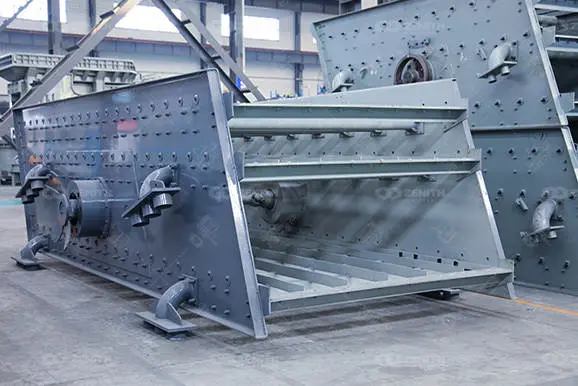
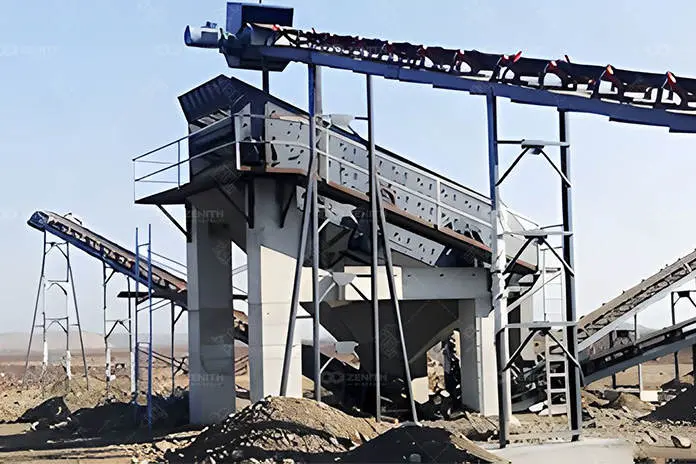
- Screening: After crushing, vibrating screens classify the material, removing oversized particles and ensuring uniform feed size to the grinding stage. This reduces grinding load and improves liberation efficiency.
2. Pre-treatment: Removing Coarse Impurities and Preparing for Liberation
- Washing and Desliming: For quartz ores with high clay or mud content (such as weathered quartz sand), washing equipment like spiral classifiers or wheel washers removes loose clays and fine slimes. This prevents adhesion of fines to quartz surfaces, which could hinder downstream separation processes.
- Screening and Classification: Vibrating screens further separate quartz particles by size, isolating fractions suitable for coarse processing and removing large gangue blocks such as granite and calcite, thereby reducing grinding energy consumption.
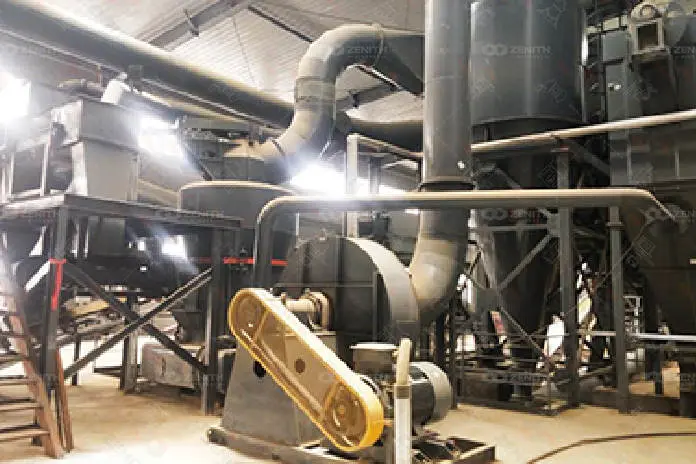
3. Grinding and Liberation: Exposing Embedded Impurities
Quartz ores often contain impurity minerals intimately intergrown with quartz crystals. Grinding is necessary to achieve mineral liberation:
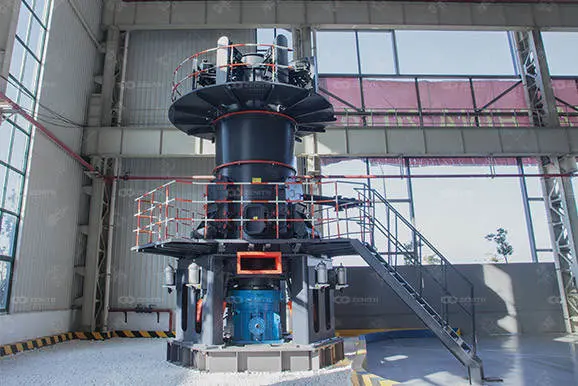
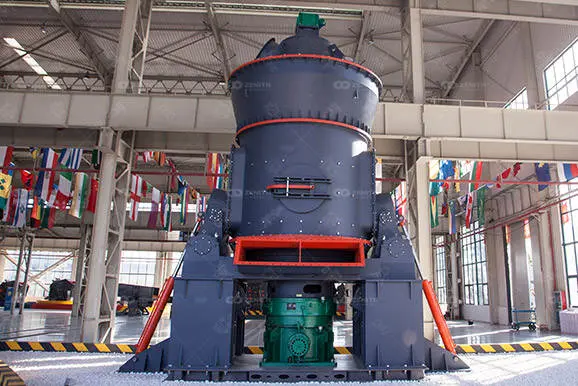
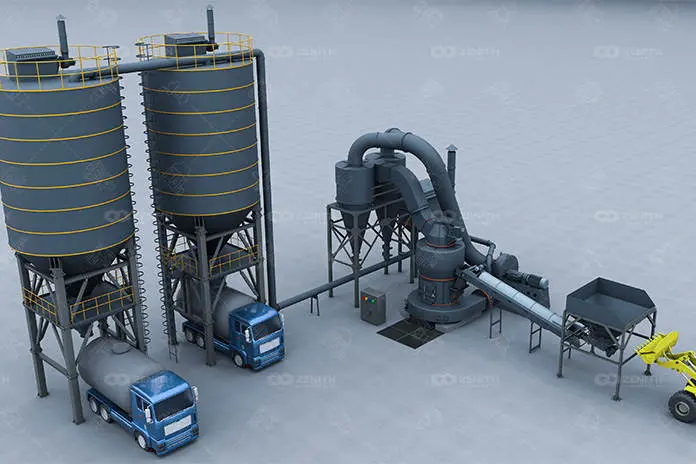
- Typical Equipment: Ball mills or rod mills are used, with rod mills preferred when overgrinding must be minimized to preserve quartz particle morphology.
- Grinding Fineness: The required fineness depends on impurity grain size. For coarser iron mineral inclusions (50–100 μm), grinding to achieve 30%-50% passing 200 mesh is typically sufficient. For finer inclusions (<20 μm), grinding to 80% passing 325 mesh or finer may be necessary.
4. Purification
This critical stage combines multiple methods tailored to impurity types:
| Purification Method |
Target Impurities |
Principle & Equipment Details |
| Magnetic Separation |
Iron and titanium-bearing minerals (Fe₃O₄, TiO₂) |
Utilizes differences in magnetic susceptibility via high-gradient magnetic separators (1.5–2.5 Tesla) to reduce Fe₂O₃ content below 0.01%. |
| Flotation |
Feldspar, mica, calcite |
Adjusts slurry pH (e.g., sulfuric acid to pH 2–3), adds collectors such as amines for feldspar, causing impurities to attach to bubbles and float, while quartz sinks. |
| Acid Leaching |
Lattice inclusions and soluble salts |
Employs strong acids (HCl, H₂SO₄, HF) to dissolve internal iron, aluminum, calcium impurities; essential for ultra-high purity quartz (e.g., photovoltaic grade); requires wastewater neutralization and treatment. |
| Gravity Separation |
High-density gangue minerals (e.g., barite) |
Exploits density differences between quartz (2.65 g/cm³) and heavier gangue minerals using shaking tables or spiral concentrators, typically in roughing stages. |
5. Concentration
- Dewatering and Drying: Vacuum filters or filter presses remove water from the concentrate, followed by drying to reduce moisture content below 0.5% to prevent particle agglomeration.
- Classification and Final Iron Removal: Air classifiers provide precise particle size distribution control, while permanent magnetic drum separators perform a final iron impurity check to ensure product specifications are met.
How to Choose the Right Quartz Beneficiation Process?
Quartz beneficiation complexity correlates directly with the required product purity and particle size:
- Construction and Glass-grade Quartz: Simple process involving washing, screening, and magnetic separation; no need for flotation or acid leaching, resulting in lower cost.
- Photovoltaic and Electronic-grade Quartz: Requires multiple purification stages: washing → grinding → repeated magnetic separation → flotation (including reverse flotation to remove feldspar) → acid leaching (HF + HCl) → optional high-temperature purification steps. These steps reduce impurities to ppm levels.
- Ultra-high Purity Quartz (e.g., semiconductor applications): In addition to the above, advanced methods such as water quenching (to fracture quartz crystals and expose internal impurities) and ion-exchange processes (to remove soluble impurities) are employed, significantly increasing process complexity and cost.
Quartz beneficiation hinges on targeted impurity removal: first, detailed mineralogical and chemical characterization identifies impurity types; then a logical sequence of liberation, separation, and purification is applied. Magnetic separation combined with flotation forms the backbone of mid-to-low purity quartz upgrading, while acid leaching and advanced purification techniques are indispensable for producing high-purity quartz.