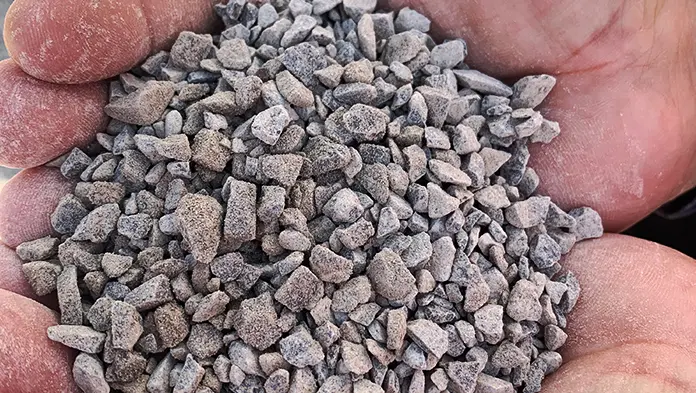
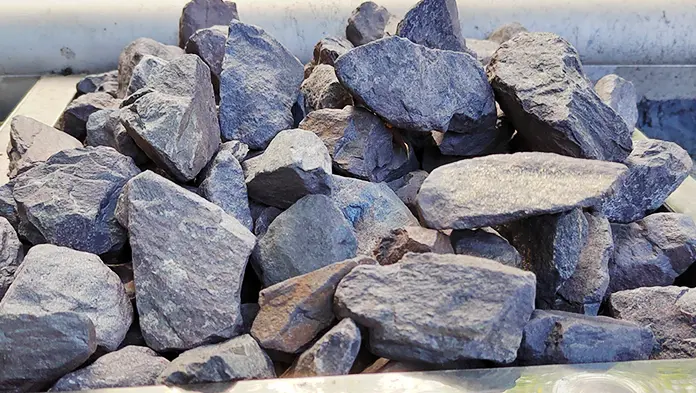
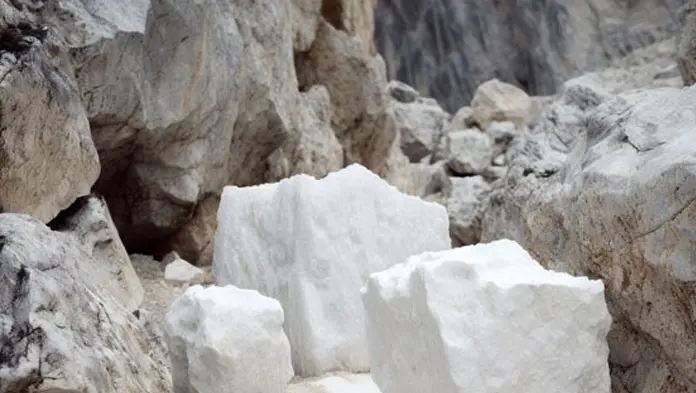
What are the specifications of the limestone powder used in the paper mill
Time:19 September 2025
Limestone powder is a critical component in the paper manufacturing process, primarily used as a filler material to improve the quality and reduce the cost of paper production. This article provides a comprehensive overview of the specifications of limestone powder used in paper mills.
Chemical Composition
The chemical composition of limestone powder is crucial for its functionality in paper production. The primary component is calcium carbonate (CaCO₃), but other elements may be present in trace amounts.
- Calcium Carbonate (CaCO₃): Typically, limestone powder should contain at least 95% calcium carbonate to ensure optimal performance.
- Magnesium Carbonate (MgCO₃): Generally, less than 1% is acceptable, as higher levels can affect the brightness and opacity of the paper.
- Silica (SiO₂): Should be minimal, ideally below 0.5%, to prevent interference with the paper’s smoothness and printability.
- Iron Oxide (Fe₂O₃): Must be kept below 0.1% to avoid discoloration of the paper.
Physical Properties
The physical properties of limestone powder are equally important in determining its suitability for paper production.
Particle Size
- Average Particle Size: The particle size should be fine, typically ranging from 2 to 10 microns. Finer particles enhance the smoothness and gloss of the paper surface.
- Particle Size Distribution: A narrow particle size distribution is preferred to ensure consistent quality and performance.
Brightness and Whiteness
- Brightness: Limestone powder should have a brightness level of at least 90% ISO to contribute to the paper’s visual appeal.
- Whiteness: High whiteness is essential for producing high-quality paper with excellent printability.
Moisture Content
- Moisture Content: Should be kept below 0.2% to prevent any adverse effects on the paper’s texture and strength.
Purity and Impurities
Purity is a critical factor in limestone powder specifications. The presence of impurities can significantly affect the paper’s quality.
- Purity Level: Ideally, limestone powder should have a purity level of 99% or higher.
- Impurities: Common impurities include clay, silt, and organic matter, which should be minimized to maintain the paper’s integrity.
Functional Properties
Limestone powder must exhibit specific functional properties to be effective in paper mills.
Opacity and Gloss
- Opacity: Enhances the paper’s ability to prevent light transmission, improving readability and print quality.
- Gloss: Contributes to the paper’s surface finish, making it suitable for high-quality printing applications.
pH Level
- Neutral pH: Limestone powder should have a neutral pH (around 7) to avoid any chemical reactions that could damage the paper or affect its longevity.
Quality Control and Standards
Quality control measures are essential to ensure that limestone powder meets the required specifications.
Testing Methods
- Chemical Analysis: To verify the composition of calcium carbonate and other elements.
- Particle Size Analysis: Using techniques such as laser diffraction to determine particle size distribution.
- Brightness and Whiteness Testing: Employing spectrophotometers to measure optical properties.
Industry Standards
- ISO Standards: Compliance with international standards such as ISO 3262 for fillers ensures consistency and reliability.
- ASTM Standards: Adherence to ASTM standards for testing and quality assurance.
In conclusion, the specifications of limestone powder used in paper mills are multifaceted, encompassing chemical composition, physical properties, purity, functional properties, and adherence to quality standards. Meeting these specifications is crucial for producing high-quality paper that meets the demands of modern printing and packaging industries.